
Contractual Delegation Of Unwritten Operational Routines Prior To Equity Divestment
Contractual delegation of unwritten routines transfers tacit operational procedures to successor managers via binding agreements prior to equity sale.

Grid

Unrecorded Labor At The Point Of Sale
A seller with a signed term sheet often spends midnight clearing vendor approvals and running database recovery scripts from a phone. Purchase agreements assume an operating company runs on documented standard operating procedures, when in practice it relies on administrative exceptions, vendor workarounds, and server access held in a single operator’s memory. When equity changes hands, that unrecorded layer jeopardizes enterprise value.
The buyer prices the entity on the assumption that the underlying operational machinery functions independently of the person leaving the technician seat.
Every commercial enterprise splits across three distinct operational layers: legal administration, procedural workflows, and tacit operational interventions. Administrative authority is documented in corporate charters and banking resolutions. Standard workflows live in shared drive folders and handbooks.
The tacit interventions remain private habits: an operator reconciles clearing accounts through unshared spreadsheet formulas, covers supplier shortfalls through personal relationships, and patches software billing bugs with manual database scripts run every Tuesday morning.
A transaction price reflects explicit assets while operational continuity depends entirely on undocumented procedural habits.
Separating an owner from the operating company requires auditing unrecorded labor well before formal legal diligence begins. The seller must catalog recurring weekly routines, required software credentials, decisions made without written policy, and the informal thresholds used to approve operational exceptions. This mapping turns habit into explicit responsibility.
When an operator departs without assigning these responsibilities through binding service agreements, the business faces operational disruption within thirty days of closing.

Line
Contractual Separation Of Seats
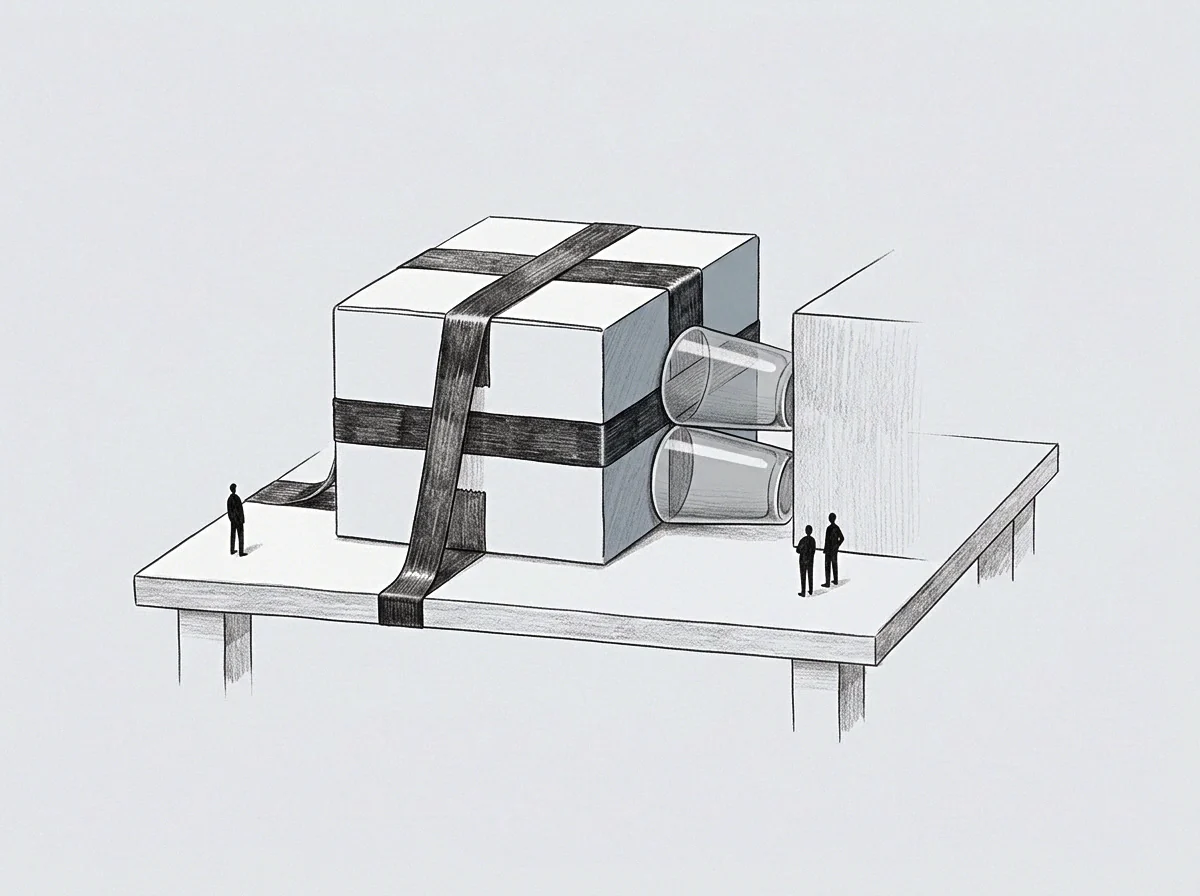
Separating operational routines in a legal sense requires contractual definitions within transition service schedules. The seller drafts an operational delegation addendum that defines each routine by its inputs, processing rules, deliverables, and completion triggers. Executed before closing, this agreement transfers duties to designated successors or third-party managers, setting out the required hours, performance standards, and decision-making authority.
| Operational Category | Unwritten Routine | Contractual Instrument | Successor Seat |
|---|---|---|---|
| Vendor Exceptions | Manual terms negotiation based on historical trust | Vendor Governance Protocol and Credit Limit Schedule | Procurement Manager |
| Technical Infrastructure | Undocumented database recovery and batch maintenance | Standard Operating Procedure and Managed Service Agreement | Lead Systems Engineer |
| Client Escalation | Direct personal intervention on payment disputes | Commercial Dispute Resolution Policy and Tiered Matrix | Customer Operations Director |
| Payroll Adjustments | Manual bonus calculations and commission reconciliation | Compensation Schedule and Payroll Delegation Agreement | Finance Controller |
Codifying these routines protects the seller against post-closing claims of operational misrepresentation. Acquisition agreements contain explicit representations and warranties regarding corporate operations and continuity. If a buyer discovers undocumented dependencies after closing, claims for indemnification or price adjustments follow under breach of continuity provisions.
Executing formal delegation agreements months ahead of definitive transaction documents limits this exposure.
Operational routines converted into binding delegation agreements insulate the seller from post-closing indemnification claims.
Under the terms of the instrument, the seller surrenders operational decision rights across designated workflows on the execution date, retaining only equity governance oversight through closing.

Room

Whose Routine Leaves The Room?
Carrying out operational delegation requires a structured handover period. The operator shadows the designated successor over sixty daily operational cycles, watching the execution of previously undocumented tasks without intervening directly. Any point where the successor hesitates or resorts to ad-hoc fixes is logged, allowing the seller to refine the delegation documentation around actual points of failure.
This shadowing surfaces institutional knowledge that initial drafting missed.
- Shadowing protocols establish an audit trail for the handover using shared terminal logs and signed completion checklists.
- Authority transfer schedules revoke the departing operator’s access to banking portals, vendor accounts, and technical root credentials in planned stages.
- Independent execution milestones confirm that the successor handles the routine without assistance for twenty consecutive business days.
Delegating unwritten routines shifts internal authority. Staff frequently push back against absorbing informal responsibilities without title changes or equity compensation. Managing this friction requires formal employment contract amendments granting updated titles, retention bonuses, and defined operational discretion before the divestment closes.
A handover protocol remains incomplete until the incoming manager operates the business workflow across multiple billing cycles without advisory intervention.
Successor personnel require complete operational documentation and defined boundaries of authority before accepting responsibility for undocumented organizational dependencies.

Span
Operational Decoupling And Burn-In Periods
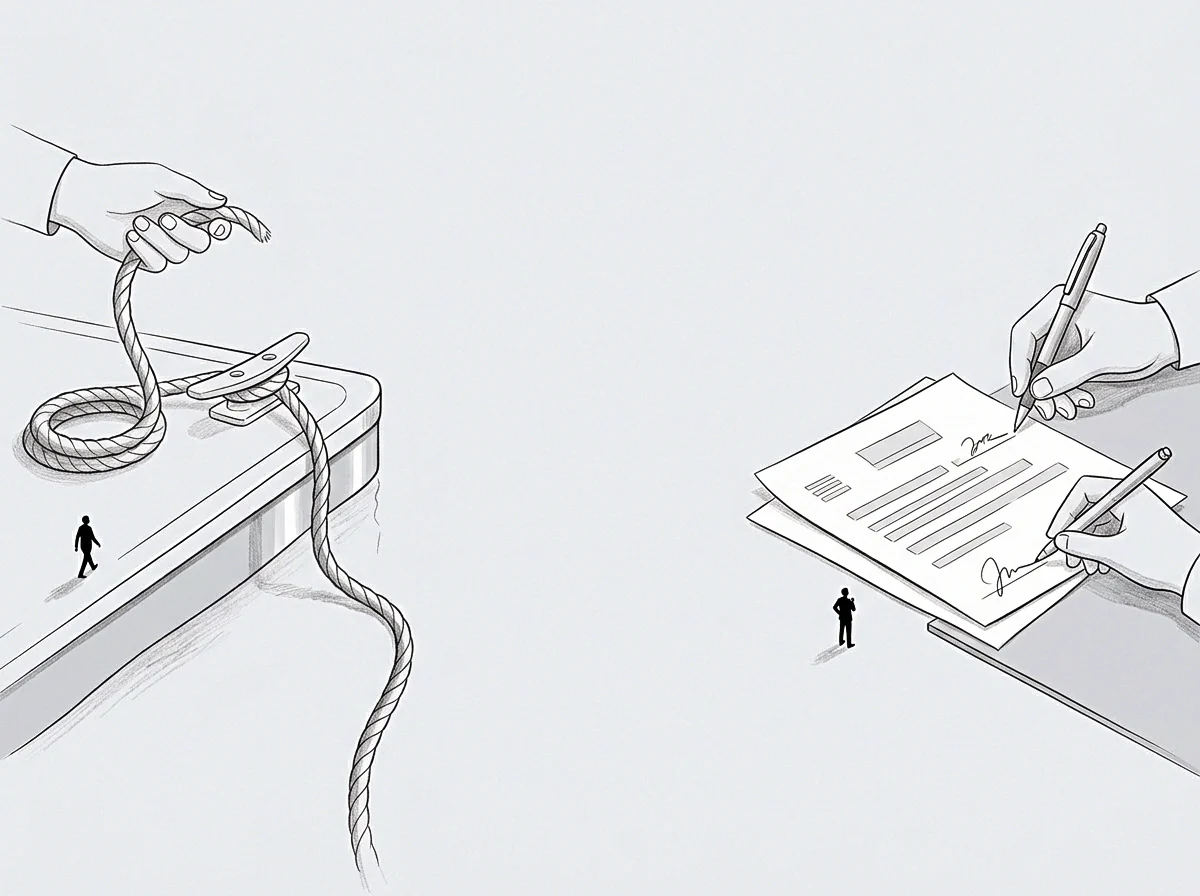
Testing whether operational delegation holds requires a full burn-in period. The seller cuts off daily communication channels for forty-five consecutive days while retaining formal equity ownership. Running under the newly executed delegation schedules during this window reveals whether documented routines hold up against customer escalations, vendor payment disputes, and infrastructure failures.
Decoupling the operator from daily execution protects enterprise value during sale negotiations. Buyers assign higher multiples to businesses run by autonomous management than to firms requiring the seller’s continuous physical involvement. A verified burn-in period offers concrete proof of continuity to buyers, commercial lenders, and transactional insurance underwriters.
Once operational routines function reliably through delegated staff, enterprise value reflects systemic capital rather than an individual’s technical labor.

Knot

Residual Liabilities And Divestment Exposure
Unresolved operational dependencies resurface at closing as purchase price reductions and indemnity escrows. To guard against operational disruption, buyers frequently require earnout provisions, escrow holdbacks, or consulting agreements lasting twelve to twenty-four months post-sale. These covenants keep the departing seller tied to routine technical duties long after equity is sold.
A seller who executes formal operational delegation prior to divestment removes the rationale for operational earnouts. By presenting executed delegation agreements, verified burn-in logs, and independent certifications of procedural autonomy, the seller exits the equity registry as an outgoing shareholder rather than a retained technical advisor bound by ongoing service covenants.
The transaction closes with proceeds distributed at settlement, though commercial enterprises rarely shed every unwritten assumption introduced by their original operators.