Meaning
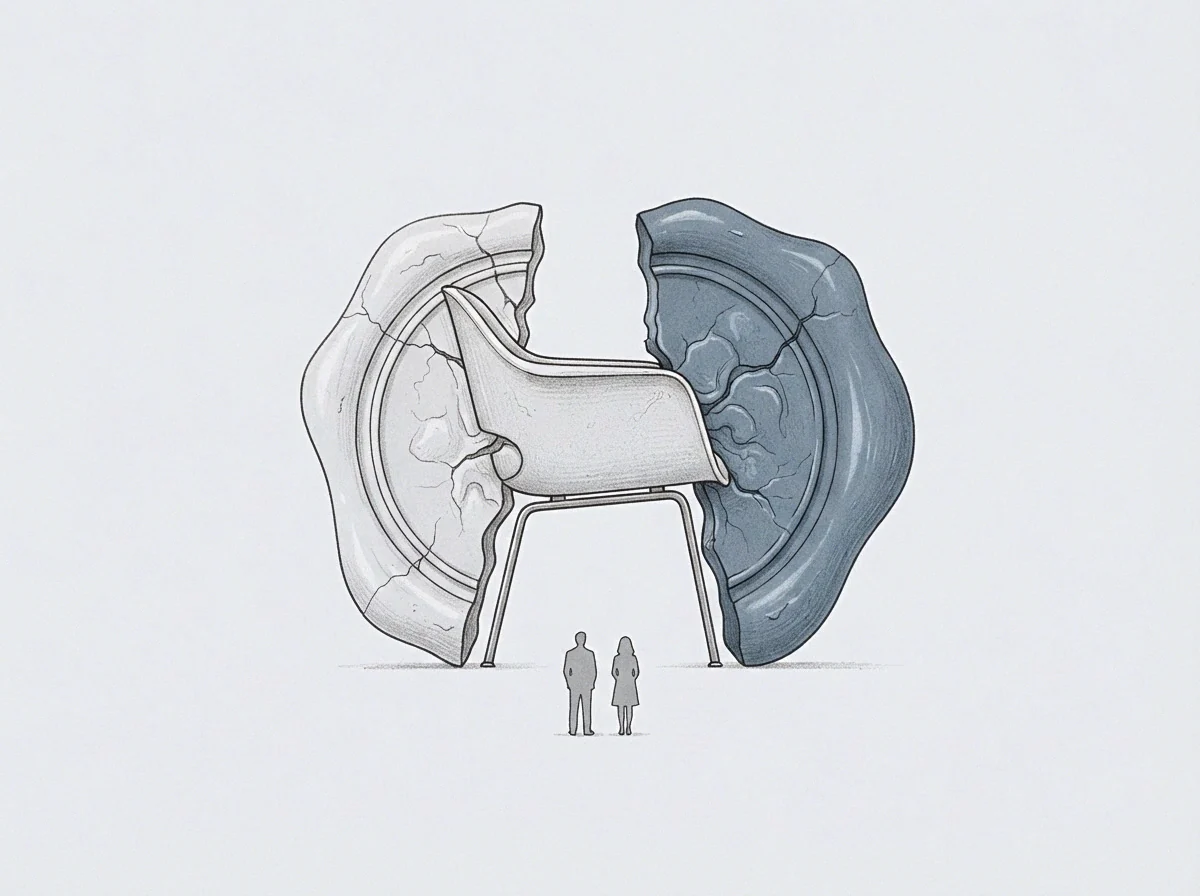
Informal operational norms represent the default patterns of behavior that dictate how a startup functions outside of formal process documentation. These unwritten routines dictate how staff members coordinate tasks, handle rapid shifts in priority, and communicate during periods of high pressure. They occupy the space between the explicit organizational manual and the actual habits practiced daily by the team.
Operational Friction
Founders often find that reliance on these implicit workflows accelerates early execution while simultaneously creating a dependency on the presence of specific individuals. When these patterns exist only in the heads of the founding team, the cost in mental capacity for new hires grows significantly because they must decipher implicit social expectations alongside explicit technical work. This dependency creates a bottleneck that prevents the team from scaling its output because every decision requires a check against the unstated preferences of the person who established the habit.
Cultural Debt
These invisible structures function as a form of cultural debt that accrues whenever a team grows without codifying its internal practices. A founder who relies on these routines pays a price in future hours that will be spent correcting mistakes caused by varying interpretations of what should be automatic.
Standardization Limits
Every attempt to turn these habits into clear policies removes a portion of the flexibility that allowed the team to move quickly. Excess codification risks replacing the agile responsiveness of the initial team with a sluggish bureaucratic layer that hampers the ability to pivot. Such transformation requires a conscious trade-off between the efficiency of tacit knowledge and the stability provided by transparent documentation.