
Contractual Mechanisms Allocating Financial Loss From Operational Handover Failure In Undocumented Software Migration
Contractual holdbacks, explicit warranties, and transition service credits allocate financial loss when undocumented software migration triggers operational failure.
Bench
A production environment goes dark at three in the morning four weeks after final acquisition settlement. The founding lead engineer left the organization two Fridays prior, taking twelve years of undocumented operational routine stored entirely in personal work habits. The buyer attempts to execute a build script, only to discover that critical runtime dependencies reside on an untracked personal cloud storage account that was terminated upon the engineer’s departure.
Revenue stalls while contract operators spend one hundred eighty technical hours reconstructing environment variables from compiled binaries.
Software migrations executed without structural documentation expose buyers and sellers to asymmetric operational hazard. The code asset exists as executable syntax, yet the operational capability remains bound to tacit human memory. Contracts framed around generic asset transfers fail to allocate the specific financial consequences of an unrecorded system dependency failing in production.
When systems fail during operational handover, disputes arise over whether the defect constitutes a breach of representation or an ordinary post-closing operational expense.
Allocation Metrics Across Transfer Phases
Financial exposure during software handover changes as operational authority shifts from seller to buyer. The structural points of failure emerge at clear transition thresholds.
| Transition Phase | Failure Mechanism | Primary Risk Bearer | Contractual Recovery Instrument |
|---|---|---|---|
| Pre-Closing Discovery | Undocumented proprietary dependencies | Seller | Purchase price adjustment |
| Transition Service Period | Tacit deployment pipeline failure | Shared Operator | Service level credit against transition fees |
| Post-Closing Standalone | Unmapped database schema corruption | Buyer | Representation warranty indemnity claim |
| Final Tail Period | Third-party license termination | Buyer | Escrow holdback offset rights |
The code breaks. Assigning financial responsibility requires defining the threshold between an undisclosed asset defect and an operational failure caused by buyer incompetence. Buyers view missing deployment instructions as a breach of warranty regarding asset completeness.
Sellers characterize post-closing outages as ordinary management failure by the new operational team. Without explicit contractual definitions mapping operational handover success criteria, financial loss sits where the outage strikes.
The outgoing operator states that the system operated without error for six years under their personal supervision, so any subsequent failure reflects mismanagement by the incoming technical team.
Audit
Asset purchase agreements standardly contain covenants declaring that the target software operates substantially in accordance with documentation. In legacy code bases, documentation rarely exists beyond broad architecture diagrams created years prior to transfer. The absence of written operational procedures creates an immediate gap between legal asset representations and physical operational realities.
Verification procedures must therefore evaluate tacit knowledge delivery alongside source code commits.
A representations warranty regarding software completeness provides minimal recovery unless the agreement explicitly defines undocumented dependencies as material defects.
Pre-closing technical review frequently misses tacit dependencies because test suites run inside pre-configured developer environments. These local environments hide missing environmental variables, manual database seed scripts, and hardcoded external infrastructure endpoints. When the asset shifts to isolated buyer infrastructure, missing setup steps halt operational deployment completely.
The resulting downtime creates immediate revenue loss and emergency remediation billing.
Contractual Allocation Structures for Undocumented Technical Debt
Contract drafters employ specific risk-shifting clauses to govern financial loss when operational knowledge proves incomplete. The selection of instrument determines the speed of recovery and the evidentiary burden placed on the buyer.
- Representation Warranty Covenants bind the seller to assertions that all operational scripts, build instructions, and dependency mappings have been disclosed in complete form.
- Specific Indemnification Carve-Outs segregate undocumented system architecture losses from standard cap limitations and deductibles within the general indemnity pool.
- Transition Service Adjustments permit buyers to set off emergency technical support billing directly against ongoing monthly transition service provider payments.
- Targeted Escrow Retainers isolate a portion of the purchase consideration exclusively to cover third-party engineering expenses required to document legacy code bases.
Knowledge remains hidden. Recovering costs under general warranty clauses requires demonstrating that missing documentation constitutes a material breach of the asset agreement. Sellers defend against these claims by asserting that standard industry practices expect technical teams to possess sufficient competence to reverse-engineer undocumented dependencies.
Litigation over this distinction routinely costs more than the technical remediation itself.
Contractual protection scales directly with the specificity of the asset inventory written into the schedule.

Holdback
Deferred purchase consideration offers a direct contractual mechanism for insulating a buyer against operational handover collapse. By withholding a calculated percentage of the transaction value for six to twelve months post-closing, the buyer establishes a liquid financial reserve to absorb remediation expenses. If the software fails to deploy due to missing documentation, remediation invoices are offset directly against the held funds before final release.
Holdback structures alter the litigation posture of both parties during an operational crisis. The buyer holds the funds, forcing the seller to initiate dispute proceedings to challenge an offset claim. The agreement defines explicit conditions governing permissible deductions, including third-party contractor hourly rates and verified revenue downtime losses.
Clear offset mechanisms prevent prolonged negotiations over technical fault while production systems remain down.
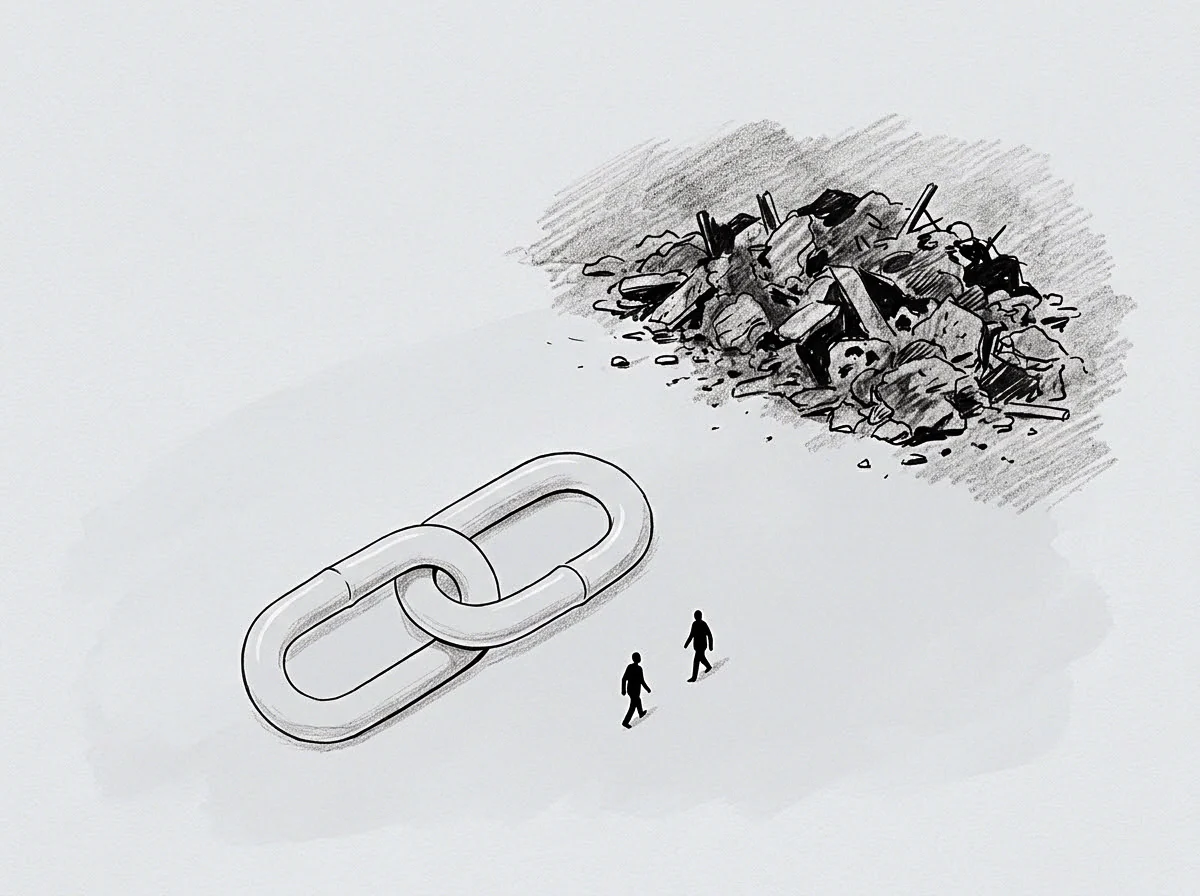
Where Does Indemnification Fail When Knowledge Remains Tacit?
Standard indemnification caps typically limit seller liability to ten or fifteen percent of total transaction value. In undocumented legacy software migrations, operational remediation costs frequently surpass these indemnity caps due to prolonged service outages and lost customer enterprise accounts. General indemnification provisions further require the buyer to satisfy financial deductibles before asserting claims, leaving smaller operational failures completely uncompensated.
Indemnification caps structured without specific exceptions for undocumented operational dependencies leave buyers exposed to catastrophic tail liability during system migration.
Sellers resist uncapped indemnity liabilities for operational failure, citing their lack of post-closing operational control. Once the buyer takes physical control of the deployment pipelines, the seller can no longer prevent operator errors that mirror technical defects. Contract provisions address this boundary by pairing holdback mechanisms with strict joint operational protocols during the initial transition period.
Memory leaves first. Effective holdback terms establish that any undocumented manual intervention required to maintain production stability during the first ninety days post-closing triggers an automatic dollar-for-dollar reduction in the deferred purchase price payout.
Remedy
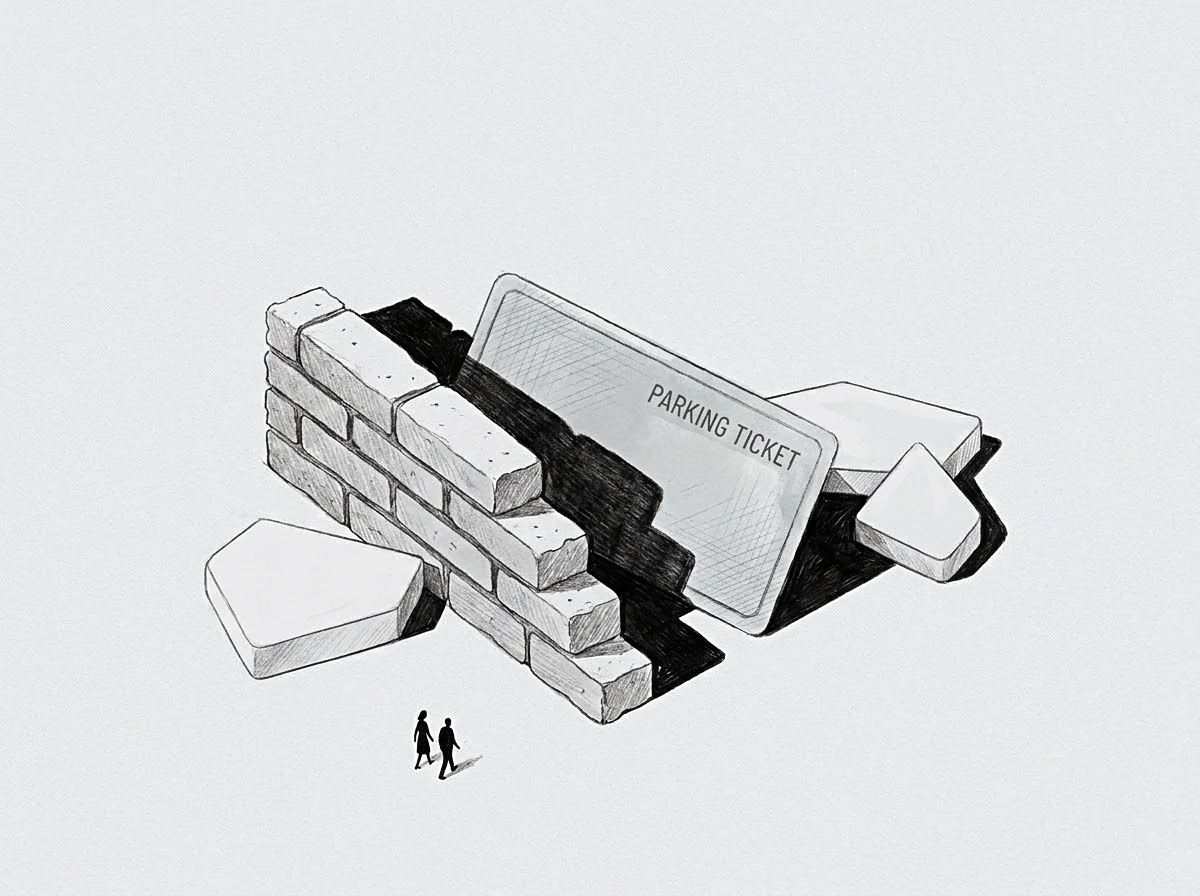
Liquidated damages provisions attached to transition service agreements provide objective financial remedies for operational downtime during handover. Rather than forcing parties to prove actual consequential damages in court, the transition contract assigns a predetermined financial penalty to every hour of system unavailability. This mechanism aligns technical incentives during the critical phase where legacy operators train incoming technical staff on undocumented procedures.
The contract stands. Liquidated damages clauses avoid lengthy disputes over lost gross margin by establishing fixed hourly credits against transition fees. When downtime exceeds defined operational limits, contractual credits transition into direct cash obligations payable by the seller.
The enforcement of these clauses depends upon clear diagnostic criteria separating legacy software defects from external network failures.
- The buyer issues a formal notice of operational failure identifying the specific undocumented dependency or failed build sequence.
- The seller receives a mandatory cure window of four to eight hours to provide working operational documentation or remote engineering support.
- Failure to cure within the window activates hourly liquidated damages accrued against the transition escrow account.
- Engagement of third-party remediation specialists occurs automatically at the seller expense if downtime surpasses twenty-four consecutive hours.
Predetermined hourly service credits eliminate the requirement to prove lost revenue figures in court following an operational system outage.
A typical handover dispute illustrates the mechanics of structured contractual remedies during legacy code migration. Assume a buyer purchases a specialized enterprise resource platform for eight million dollars, with five hundred thousand dollars allocated to a six-month transition services agreement. The core database schema lacks documentation detailing automated nightly cleanup tasks, causing the database to lock entirely on day twenty-two post-transfer.
The seller claims the failure stems from buyer configuration errors, while the buyer points to missing cron job specifications in the operational manual.
Under a well-drafted remedy provision, the dispute avoids general litigation through predefined operational metrics. The contract specifies that failure to disclose automated background tasks constitutes a technical defect subject to mandatory service credits. The buyer retains eighty thousand dollars in accrued transition payments and applies thirty thousand dollars from escrow to pay an external database engineer for schema reconstruction.
The financial resolution completes within ten days without court intervention.
At what threshold of documented operational failure does a buyer retain the right to rescind the software purchase entirely rather than accept monetary offset remedies?

Margin
Financial exposure from software handover failure ultimately impacts the net profit margins realized by both transaction parties. Buyers who underestimate the cost of documenting legacy software face immediate margin compression through emergency engineering payroll and lost customer retention. Sellers who accept broad, un-capped indemnity terms risk losing their net purchase price gains through post-closing offset claims brought by the buyer.
Risk shifts back. The balancing of risk between buyer and seller relies upon explicit contractual boundary setting. Sellers protect their transaction proceeds by insisting on sole and exclusive remedy clauses that restrict buyer recovery to specific holdback funds.
Buyers secure their capital by insisting that representations concerning software documentation survive for at least twelve months following physical asset handover.
The long-term economic return of a software acquisition reflects the precision of its post-closing operational remedies rather than its initial purchase price multiple.
Silent failure compounds cost. Software migration contractual structures succeed when legal terms reflect the physical reality of legacy technical infrastructure. Undocumented software will fail during operational transfer unless human expertise is systematically captured or contractually insured.
Allocating financial loss through explicit contractual mechanisms ensures that the financial consequences of missing technical documentation sit with the party best positioned to prevent the omission.
Omitting explicit financial loss allocation clauses for operational handover failure forces the buyer to absorb all undocumented technical debt as an emergency post-closing capital expense.