Meaning
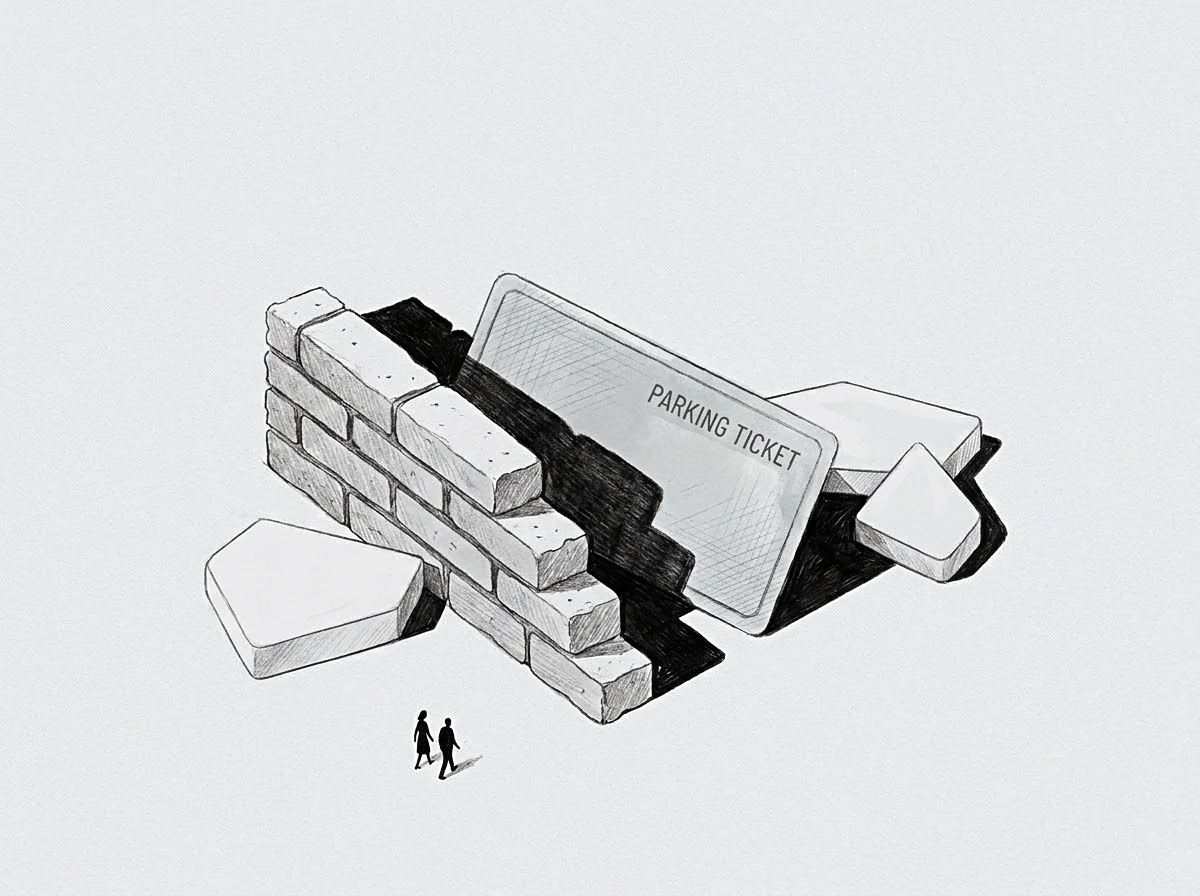
Financial loss allocation is the formal assignment of realized commercial deficits among participants in a dissolved partnership or a liquidated corporate vehicle. This mechanism determines which shareholder, director, or creditor bears the final monetary deficit when an enterprise closes its doors with liabilities exceeding its assets. The boundaries of this assignment are set by the governing articles of association, shareholder agreements, and statutory insolvency frameworks.
Capital Exposure
Founders face severe monetary drain when corporate liabilities pierce the protective shield of limited liability structures. Unpaid wages, outstanding supplier invoices, and defaulted loan guarantees convert into personal obligations that demand immediate attention from the departing operator. Personal savings and residential assets function as the primary reserve funds absorbed by these deficits.
Creditors initiate legal proceedings against the most solvent individual remaining on the corporate registry when the business entity lacks sufficient funds to settle outstanding debts.
Equity Burden
Shareholder agreements typically dictate how residual deficits distribute across founding teams based on initial ownership percentages. Minority participants often contest these predetermined ratios when capital contributions disproportionately favored a single majority holder during the active phase of the enterprise. Personal stress intensifies as founders negotiate these settlements without the revenue streams of an operating company to support the legal and administrative expenses involved.
Prolonged disputes drain the remaining mental capacity of individuals who attempt to transition into new ventures while past liabilities remain unresolved.
Settlement Mechanics
Courts and appointed liquidators calculate final deficit partitions by examining historical capital accounts, director loan balances, and documented breach of fiduciary duties during the terminal months of operation. Personal bankruptcy filings occur when the assigned monetary obligations exceed the total net worth of the individual founder. Asset liquidation proceeds flow directly to senior creditors according to statutory priority rules before any remaining claims reach the founding team members.
This rigid sequence ensures that operational founders absorb the residual monetary damage of corporate failure after all secured creditors exhaust their recovery options.