
Converting Owner Operational Intuition Into Institutional Risk Management Contracts
Codifying owner heuristics into formal risk contracts converts private operational intuition into binding enterprise governance and transferable controls.

Friction
A founder steps into an office at dawn, spots three unrouted inventory invoices on a counter, and alters an overseas supplier allocation before the supply chain director logs in. That intervention averts a component shortage by afternoon. It also removes the director from operational authority.
The business survives because an owner possesses twenty years of pattern recognition across volatile shipping lanes, foreign currency shifts, and supplier temperament. The intuition functions as an unpriced insurance policy that prevents operational catastrophe.
Trouble begins when institutional capital, incoming executive leadership, or external partners arrive to formalize operations. The owner feels that documented rules slow decisions down. The outside board feels that undocumented habits leave the firm vulnerable to key person dependency.
These two viewpoints collide around institutional risk governance. When intuition stays trapped inside an individual nervous system, the enterprise operates without structural limits, exposure caps, or transferable controls. Growth then increases systemic risk instead of compounding enterprise value.
Operational intuition behaves as unpriced balance sheet insurance until the person carrying it leaves the chair.
The conversion of unwritten operational reflexes into formal corporate instruments remains one of the hardest handovers an expanding firm undertakes. Unwritten controls are private, immediate, and cheap to run in quiet times. Formal contracts are public, slow, and carry administrative overhead.
The gap between these two models generates acute friction during every growth cycle.

Hidden Mechanics of Tacit Judgments
Intuition in an owner-operator environment rarely operates as mystical instinct. It consists of high-frequency heuristic pattern matching developed over thousands of operating hours. When an experienced builder looks at a supplier ledger, subtle variations in payment dates, credit note frequencies, or transit delays trigger defensive actions.
These responses happen before conscious analysis forms. Role analysts decompose this behavior into compressed decision matrices. The founder reads micro-signals that junior operators fail to register, executing corrective moves inside the operating rhythm of the business.
Keeping these defensive triggers inside an executive’s head incurs heavy hidden overhead. The operator must remain reachable continuously. Every transaction that exceeds a nominal threshold routes back to one desk.
Cross-functional teams stall while waiting for informal clearance. The organization experiences chronic operational drag, punctuated by erratic owner interventions that demoralize line managers. Turning that private perception into explicit risk contracts requires separating the heuristic trigger from the specific person who discovered it.
When an operating team does not know which variables trigger owner anxiety, they default to total risk aversion or reckless execution. The owner interprets this failure as proof that nobody else cares about operational survival. The organization locks into an exhausting loop where the owner works longer hours to compensate for institutional blindness.

Draft
Transforming owner reflexes into binding operational terms demands precise codification. An effective operational governance contract translates subjective anxiety into concrete thresholds, clear covenants, and assigned accountabilities. Instead of leaving credit exposure to the owner’s gut feeling about an accounts receivable balance, the contract defines aging metrics, concentration ratios, and mandatory escalation protocols.
The document formalizes what previously existed as spontaneous managerial vetoes.
This drafting stage exposes major gaps in organizational understanding. Owners often struggle to articulate why a specific deal structure alarms them. They often say an arrangement smells wrong or feels too loose.
The analyst’s job is extracting the operational variables driving that negative assessment. Does the delivery schedule lack liquidated damages? Does the customer payment cycle create a working capital deficit that breaches local debt covenants?
Codification forces the owner to abandon metaphorical shorthand and name the operational exposure directly.
When private anxiety names its variables, governance replaces personal intervention.
Anatomy of Operational Risk Instruments
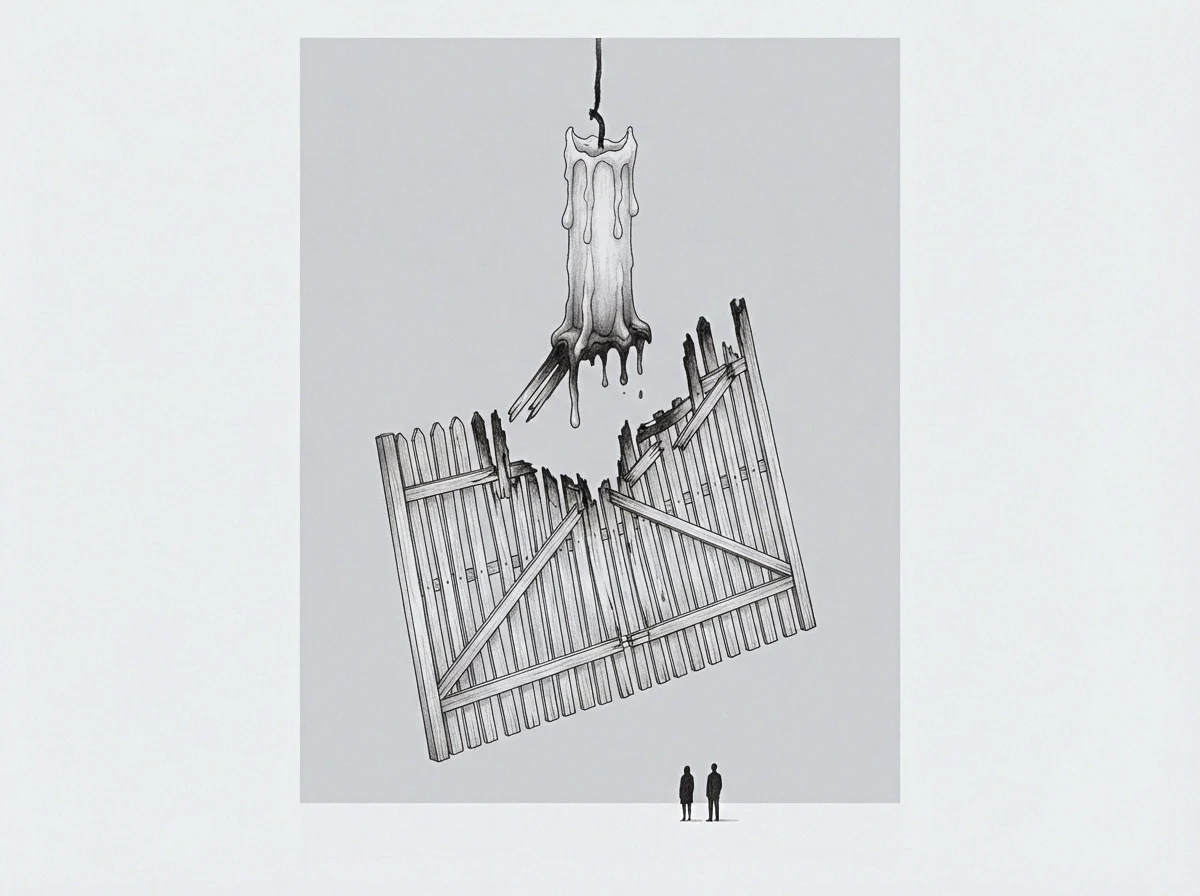
A complete risk management contract covers exposure limits, operational tripwires, escalation sequences, and emergency governance provisions. These instruments convert erratic owner interventions into predictable institutional protocols that employees execute without executive panic.
- Material exposure boundaries fix cardinal monetary thresholds and concentration metrics that line managers cannot cross without joint executive sign-off.
- Variance indicator monitors identify upstream operational disruptions such as supplier delivery lags or inventory turnover drops before balance sheet health erodes.
- Emergency decision frameworks assign explicit interim authority to operating directors when sudden macro volatility or supply disruptions freeze primary distribution channels.
- Contractual remedy triggers establish pre-agreed operational corrections that deploy automatically whenever rolling covenants breach stated tolerances.
These formal risk terms remove ambiguity across daily operations. Managers gain clear boundaries within which they make autonomous decisions. The owner stops scanning operational details at night because automated reporting systems monitor established contract terms continuously.
Converting tacit oversight into contractual limits requires documented accountability. The table below illustrates the structural shift when private owner reflexes transition into enforceable risk management covenants.
| Risk Dimension | Owner Intuitive Heuristic | Institutional Contract Mechanism | Governance Cost Vector |
|---|---|---|---|
| Counterparty Credit | Subjective appraisal of customer reliability and trade reputation | Concentration caps tied to external ratings with mandatory escrow triggers | Loss of non-standard client accounts |
| Supply Chain Buffer | Hoarding raw components based on shipping lane nervousness | Rolling minimum stock covenants tied to multi-vendor service contracts | Carrying cost of committed working capital |
| Capital Expenditure | Pausing equipment upgrades when seasonal cash flow feels tight | Formulaic debt service coverage ratios governing project draws | Opportunity cost from deferred capacity expansion |
| Pricing Discretion | Ad hoc discounting to retain strategic customer accounts | Strict gross margin boundary schedules with audit committee sign-off | Slower commercial deal velocity |
A transition plan collapses when codification attempts to capture every operational scenario. Overly complex rulebooks produce bureaucratic paralysis, encouraging line managers to hide small anomalies until they compound into systemic failures. The primary structural objective remains capturing the critical ten percent of operational exposures that carry existential downside risk.
A poorly drafted operational covenant creates immense drag by penalizing sensible local adaptations. If credit terms require rigid head-office approval for tiny supplier discounts, regional desks lose margin opportunities to faster competitors.

Anchor
Anchoring risk parameters inside corporate governance protects the enterprise during ownership transitions. When private equity firms recapitalize an owner-managed business, they discount enterprise value heavily if core supplier, client, and production stability rests on one individual’s vigilance. Embedding intuition into standard service agreements, procurement policies, and executive employment agreements transfers structural resilience into the enterprise itself.
This institutionalization changes the executive profile required to lead the operating company. As operational management migrates from charisma and instinct toward defined contractual tolerances, the business requires administrators who thrive inside structured governance environments. Leaders who rely on intuitive improvisation often resist these controls, treating standard operating parameters as bureaucratic insults rather than essential safety rails.
A governance covenant transfers enterprise durability from the mortal owner to the corporate balance sheet.

Systemic Vulnerability of Unwritten Norms
When operational parameters remain unwritten, personnel changes trigger sudden corporate crises. A key operational director resigns, carrying away the unspoken commercial boundaries that maintained margins across difficult accounts. Their replacement, working solely from documented baseline job descriptions, executes contracts that look commercially sound on paper yet bleed cash through loose indemnity terms.
The owner is pulled back into day-to-day operations to clean up preventable errors.
Institutional risk contracts serve as protective shields for incoming operators. A professional chief operating officer cannot read the founder’s mind. Without written risk limits, new leadership operates in perpetual anxiety, unsure whether a bold operational initiative will draw applause or trigger owner rage.
Codified operating agreements establish clear terms of operational engagement, allowing outside managers to deploy capital and lead teams with confidence.
Contractual controls also alter external relationships with commercial lenders and insurers. Underwriters price risk based on governance predictability. A company that demonstrates documented operational tolerances, binding supply covenants, and institutional exposure limits secures debt capital on significantly more favorable terms than a firm relying on an owner’s personal vigilance.
A transition will fail if senior staff view risk contracts as punitive weapons designed to catch operational errors. Leadership must position these controls as common operational boundaries that protect staff and capital alike.

Test
Validating whether an operational risk contract works requires deliberate stress testing before live emergencies hit. The central question remains straightforward: can incoming line managers identify and mitigate an operational crisis without the founder present in the building? Running simulated supplier collapses, credit line freezes, or product recall drills reveals whether documented protocols successfully replace tacit judgment.
During these diagnostic simulations, structural weaknesses surface quickly. Operating teams frequently discover that written protocols rely on unspoken assumptions that only the original founder understands. A risk management clause might specify securing alternate air freight if shipping delays exceed forty-eight hours, yet omit the custom tariff arrangements or carrier relationships required to secure space during peak seasons.
Real-world testing forces operational teams to document and address these secondary operational realities.

Execution Under Simulated Stress
Testing operational protocols under artificial time pressure demonstrates whether teams can act autonomously without falling back on executive intervention. A complete operational stress test evaluates three distinct control elements:
- Signal velocity checks measure the exact elapsed time between an operational covenant breach and executive risk committee notification.
- Resource mobilization assessments determine whether mid-level teams can deploy emergency capital reserves without owner authorization.
- Operational containment reviews evaluate whether contractual indemnities and fallback supplier arrangements effectively isolate business unit disruption.
Simulations often reveal that mid-level managers understand the letter of a risk contract but lack the authority to make critical trade-offs. If a written protocol requires halting a production line when quality defect rates hit three percent, line managers must feel confident executing that shutdown without fear of executive backlash. The contractual authority must match the operational responsibility.
Operational testing can also demonstrate where documented contracts are too rigid for volatile trading environments. When market conditions shift rapidly, static risk covenants can prevent managers from capturing profitable counter-cyclical opportunities. Organizations must include scheduled review mechanisms to update operational thresholds as trading environments evolve.
If the testing phase reveals that line managers still telephone the owner for guidance whenever a risk trigger activates, the institutional contract remains incomplete.

Bind
The ultimate stage of converting owner intuition into institutional governance involves binding these risk management protocols directly to incentive architectures, board charters, and executive compensation contracts. An unmonitored risk protocol eventually gathers dust on corporate shelves. To remain active controls, operational tolerances must influence annual bonus calculations, capital allocation approvals, and enterprise equity vesting schedules.
When risk compliance drives career progression and executive compensation, managers treat operational tolerances with rigorous discipline. The operating culture transitions from ad hoc firefighting toward measured operational stewardship. The business no longer depends on an owner pacing the floor to catch emerging mistakes; the organizational architecture naturally incentivizes early risk identification and containment.
Aligning Incentives With Risk Covenants
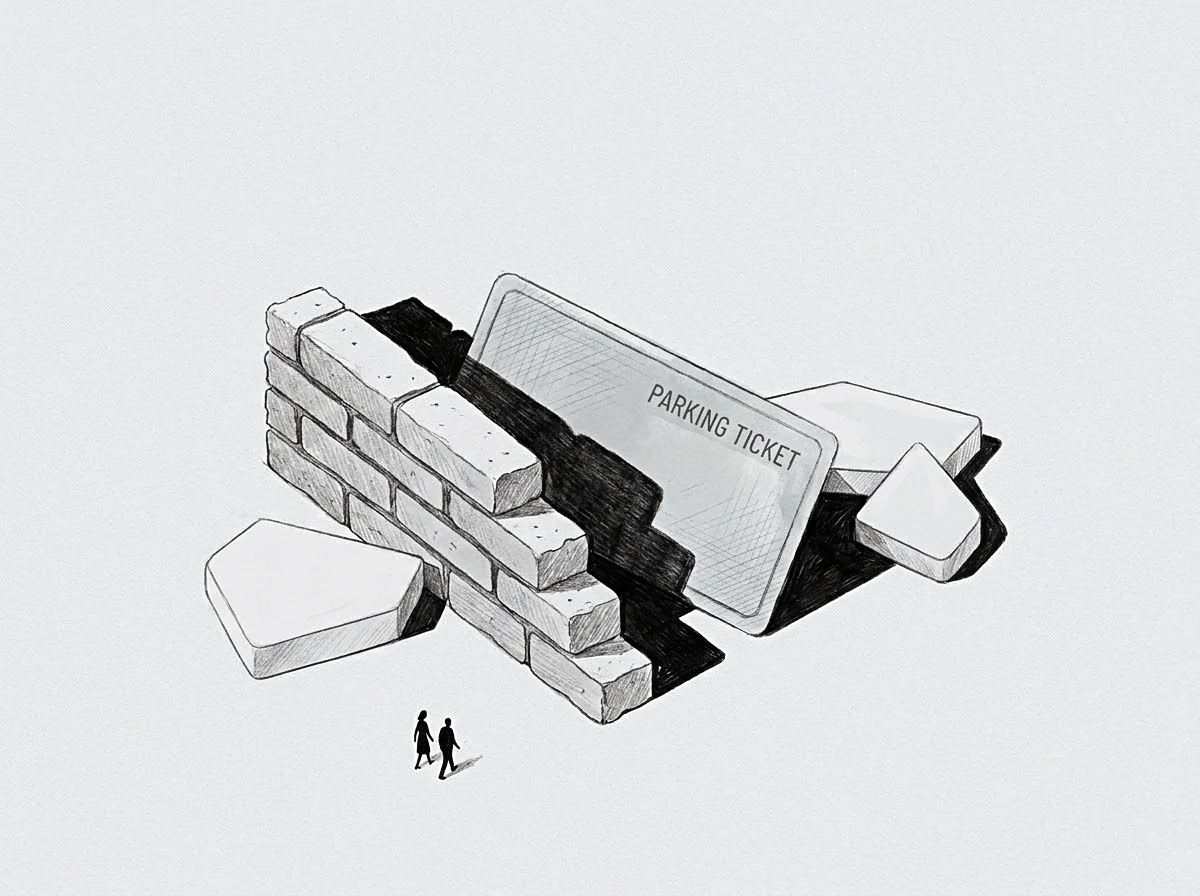
Linking operational risk covenants directly to executive remuneration creates permanent operational alignment across all corporate levels. If an operating executive can inflate short-term earnings by exceeding safe inventory tolerances or stretching vendor accounts beyond contractual terms, standard governance safeguards fail. Remuneration structures must hold executives financially accountable for preserving operational balance sheets alongside hitting revenue targets.
This dynamic alters the relationship between the board of directors and executive leadership. The board steps away from day-to-day managerial questions and concentrates on monitoring operational risk metrics against agreed contractual targets. When an operational metric breaches established tolerances, board committees step in through pre-planned governance interventions rather than emotional, ad hoc interrogations.
The owner finally gains the freedom to exit daily operational management entirely. With their historical operational intuition codified into enforceable institutional contracts, monitored by governance committees, and reinforced by aligned incentives, the founder can step into a clean chairman role or depart the business completely. The enterprise stands on structural footing, capable of navigating market volatility independently.
Could an over-reliance on rigid risk contracts ultimately blind the enterprise to completely novel structural threats that only human pattern recognition can detect?