

Evaluating Uncodified Operational Risk Barriers During Founder Seat Exit Sequences
Uncodified operational risk barriers emerge when implicit authority systems and tacit procedures fail to transfer during executive transition sequences.
Uncodified operational risk barriers emerge when implicit authority systems and tacit procedures fail to transfer during executive transition sequences.
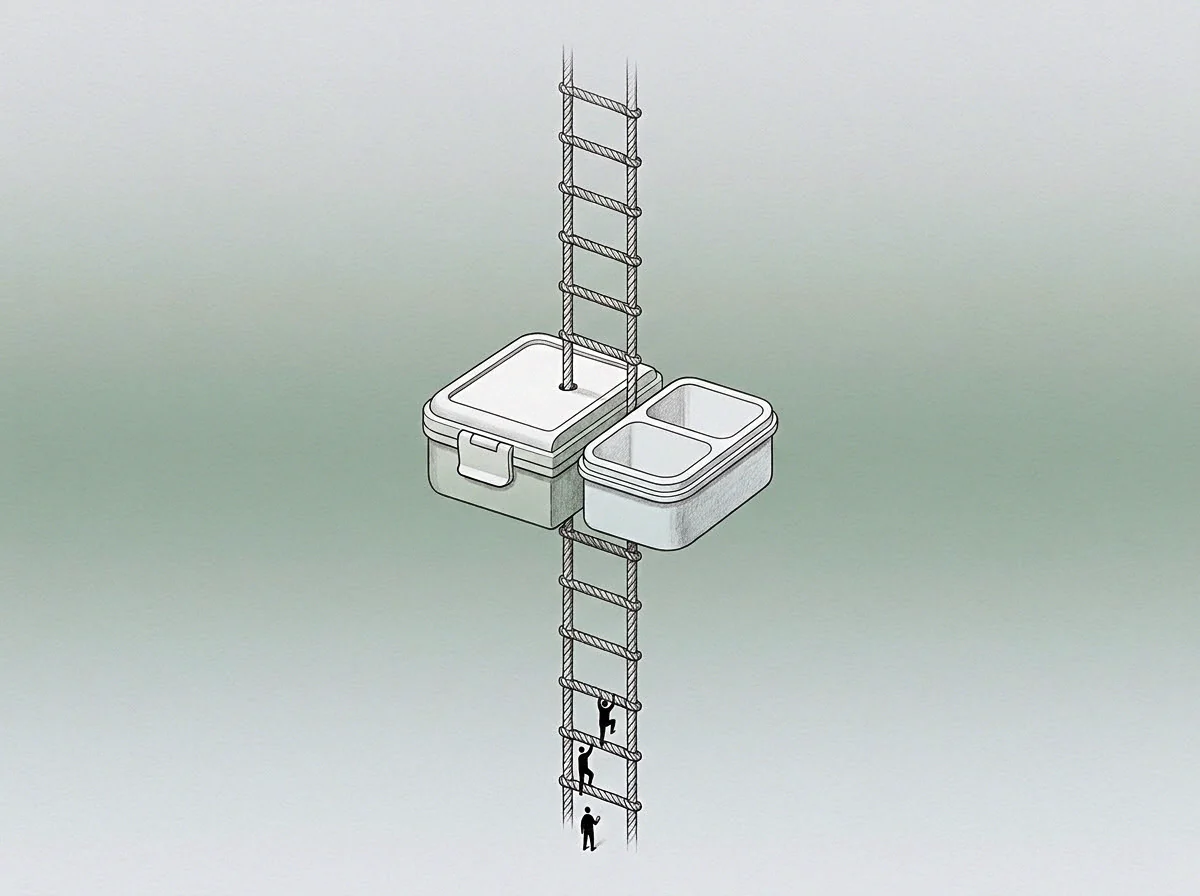
Leadership time allocation collapses when operators fail to audit time against discrete functional seats rather than total weekly hours worked.

Structural contract mechanisms protect strategic capacity in small firms by binding operating partners to explicit executive time covenants and delegation triggers.

Capacity partitioning contracts reserve operational hours for owner operators facing sustained tactical shocks, isolating owner seat governance from technical labor.

Revenue team performance degrades during volatility when unmanaged scope expansion causes high-cost acquisition roles to absorb post-sale support tasks.

Operating labor represents an ongoing commercial expense priced at market replacement cost, separate from equity claims on enterprise residual value.

Trigger based phase down charters transfer defined executive authority to a successor in discrete tranches tied to verified operational metric thresholds.

Relinquishing technical execution seats transfers direct software authoring to engineering staff, establishing architectural leverage and scalable velocity.
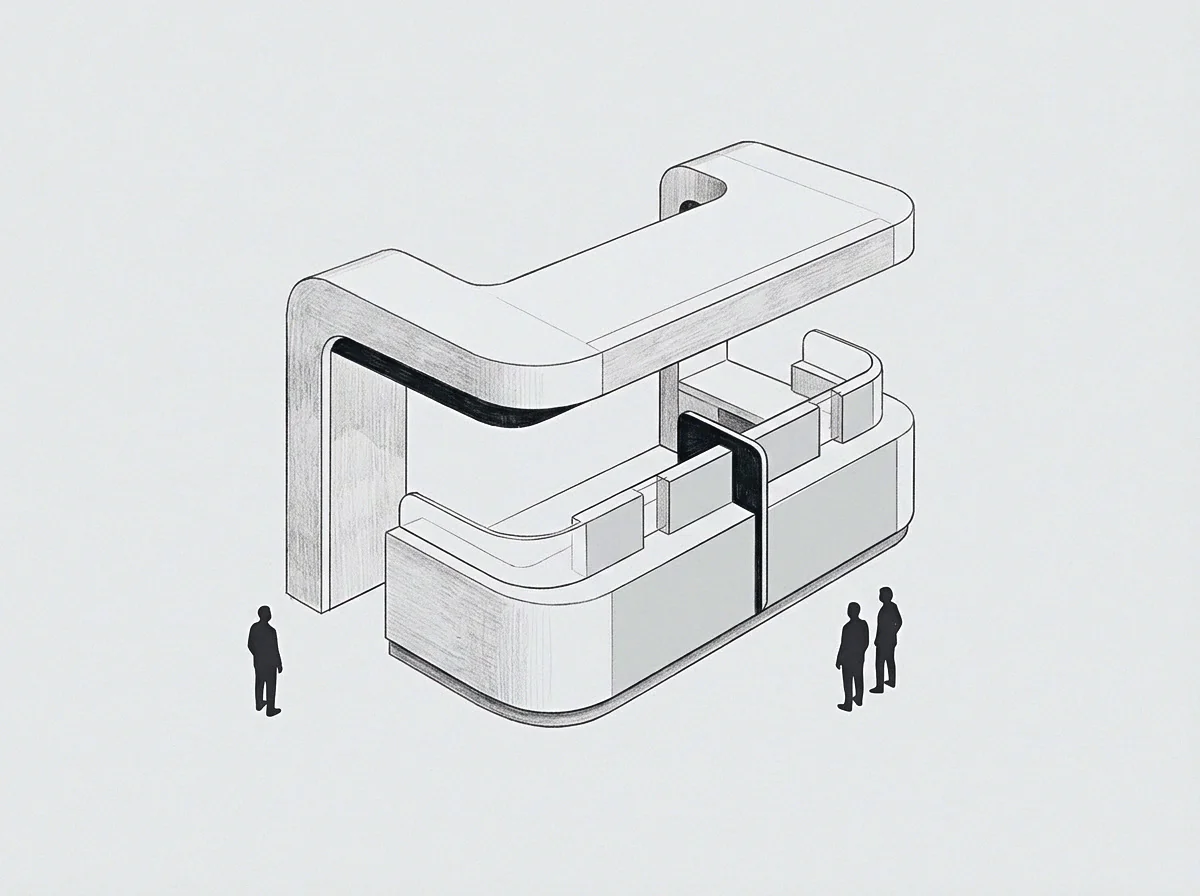
Structural separation isolates technical execution from managerial oversight to eliminate cognitive context switching and clarify organizational decision rights.

A contractual governance matrix separates multi-seat executive roles into discrete legal obligations triggered by objective operational milestones.

Informal operational regression under sustained enterprise stress collapses managerial capacity into tactical execution, obscuring actual labor costs.

Switching between technical execution and enterprise oversight creates cognitive drag through attention residue and conflicting causal schemas in one person.

Tacit knowledge extraction fails when intuitive owner patterns are codified without capturing the situational cues that trigger operational choices.

A single person managing an enterprise holds three distinct structural roles whose conflicting time horizons and operational demands require formal separation.
The terms are written where they belong. Each field holds three desks, and every entry a desk writes raises the terms it uses, each term given a meaning, a mechanism and the places it appears. The record on these pages stays first person and hand made; the fields grow the nomenclature.