
Enforcing Operating Agreements When Retained Equity Creates Conflict Between Owners And Successor Operators
Retained equity conflicts are resolved by enforcing contractual call options, non-voting unit conversions, and operational delegation clauses in operating agreements.

Anchor
When a founding partner exits active management while keeping a substantial percentage of limited liability company units, the governance architecture shifts immediately. The economic interest remains static while the risk profile of the holder changes entirely. The active manager faces daily financial liabilities, client delivery risks, and payroll obligations, whereas the non-operating equity holder focuses on distribution liquidity and protection against equity dilution.
The operating agreement sits directly between these priorities, allocating governing power between capital preservation and operational agility.

Retained Capital and the Silent Equity Holder
Retaining equity after stepping down from daily operations separates ownership from liability exposure. The partner who remains on site absorbs operational shocks and works sixty hours a week to generate gross revenue, while the departed partner holds a legal claim on net cash flow without contributing weekly hours or labor. This split alters how both parties evaluate commercial commitments: strategic capital expenditure looks like necessary growth to the active operator, while the retired founder sees the same expense as a direct reduction in annual cash distributions.
The separation of daily risk exposure from equity ownership turns routine reinvestment decisions into structural disputes between owners and operators.
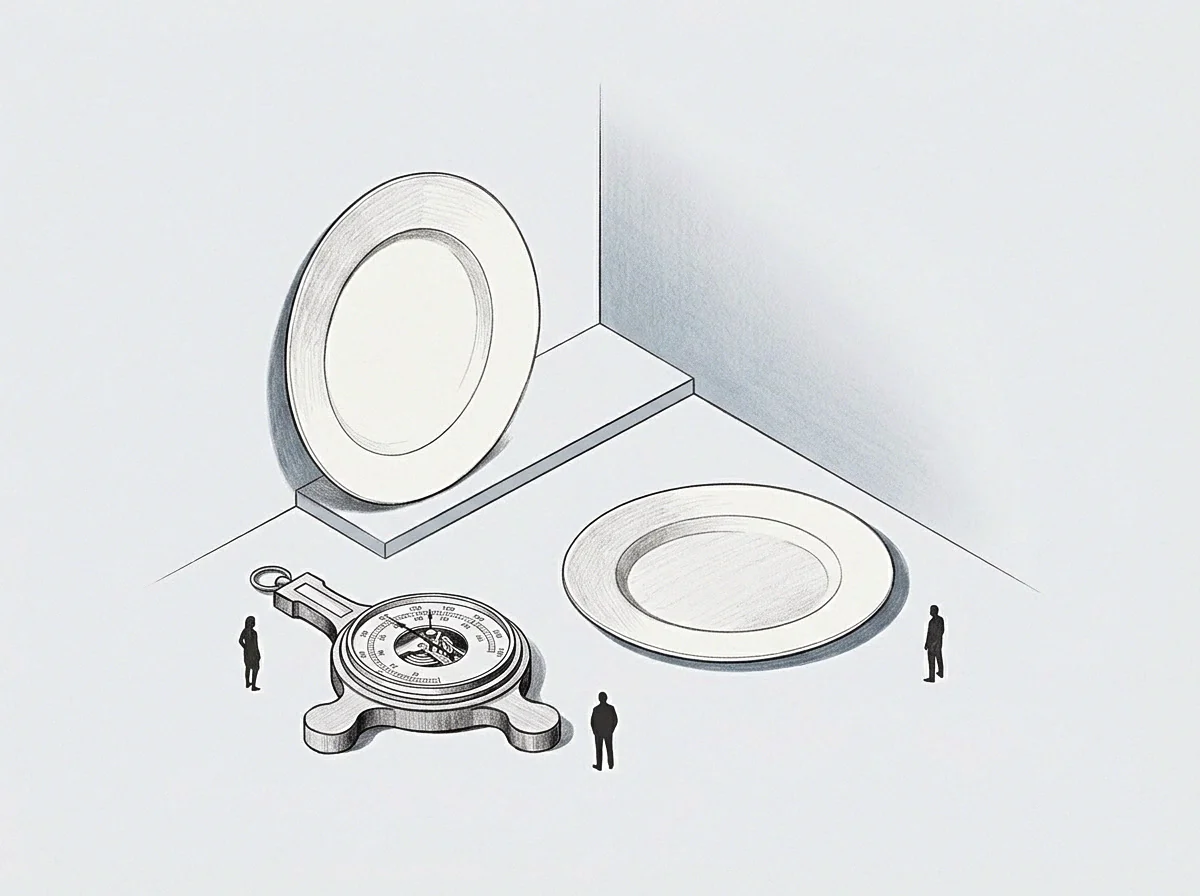
Asymmetric Risk Profiles Between Owners and Operators
The operational managing member incurs personal exposure through lease guarantees, vendor commitments, and credit facilities, while non-operating risk remains limited to initial invested capital and the valuation of the retained units. When the company requires additional debt financing, banks frequently require personal guarantees from major equity holders. Retired founders consistently decline personal guarantees for operations they no longer oversee, while successor operators refuse to encumber personal assets for businesses where non-operating members capture equity upside.
This operational exposure imbalance creates friction during contract renegotiations. Operating agreements drafted during the founding era routinely contain broad informational access rights, inspection triggers, and mandatory distribution clauses. The original document assumed all major equity owners sat in adjacent offices and agreed on enterprise goals; once an owner leaves daily operations, those contractual privileges often turn into instruments for operational interference and financial leverage.

Brake
Non-operating members routinely rely on restrictive covenants in legacy governance documents to constrain operational discretion. These terms function as governance locks, preventing management from taking commercial action without unanimous or supermajority approval. When equity friction escalates, the operating agreement converts from a framework for growth into a mechanism for corporate gridlock.

Structural Obstructions in Operating Agreements
Operating agreements drafted at company inception frequently require supermajority approval for decisions that exceed designated financial thresholds. Commitments such as capital leases above fifty thousand dollars, executive hiring, or new service line rollouts often require written consent from seventy-five percent of voting interests. A former founder retaining thirty percent of common equity effectively holds a veto over routine expansion.
Management agility degrades when routine choices require formal member votes. Successor operators spend time drafting explanatory memoranda and holding defensive board calls instead of executing commercial contracts.
Governance clauses designed to protect minority investors operate as operational brakes when held by departed founders.
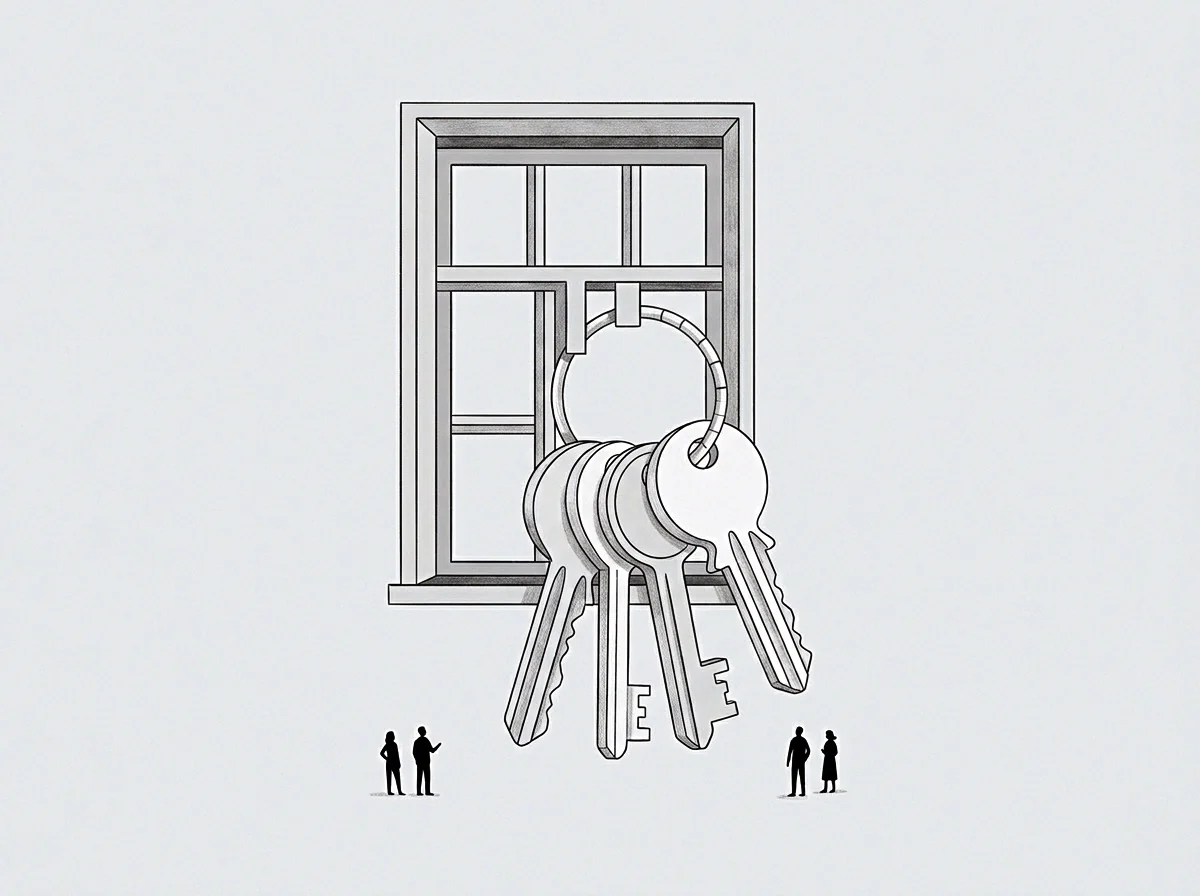
How Supermajority Provisions Freeze Management Discretion?
When an operating agreement mandates three-quarters consent for debt refinancing or equity issuance, the non-operating member can block capital restructuring. Capital expansion then requires concessions to a partner who bears no risk for operational failure, often prompting demands for preferred dividend guarantees or cash buyouts in exchange for approving ordinary credit line renewals.
This dynamic creates severe governance friction during downturns or market shifts. A delayed equipment lease approval or stalled executive search degrades enterprise value long before disputes reach formal dispute resolution. The financial burden of this stasis falls disproportionately on the operational successor, who must maintain customer accounts and meet payroll commitments under constrained authority.

Scope
Defining the boundaries of managerial authority requires aligning voting rights, economic yields, and operational exposure. Operating agreements manage conflict effectively when equity classifications reflect who works inside the company. Governance mechanics must distinguish between capital claims and operational discretion.
The misalignment between historical contributions and successor responsibilities becomes visible when comparing equity management models. The table below outlines how various equity classifications alter operational authority and economic friction between owners and successor operators.
| Equity Structure | Voting Authority | Distribution Priority | Operational Exposure | Friction Severity |
|---|---|---|---|---|
| Common Retained Units | Full Pro-Rata Voting | Pari Passu with Operators | Zero Daily Liabilities | High Gridlock Risk |
| Non-Voting Class B Units | No Operational Voting | Standard Equity Yield | Zero Daily Liabilities | Moderate Friction |
| Redeemed Term Equity | Extinguished Upon Exit | Fixed Subordinated Debt | None (Creditor Status) | Low Friction |
| Profits Interest Conversion | Board Advisory Only | Subordinated Hurdle Rate | Zero Daily Liabilities | Minimal Operational Drag |

Mapping Governance Rights Against Operational Realities
An effective governance transition converts common equity held by departing founders into non-voting interest units or structured debt obligations. Non-voting units preserve equity upside for the early builder while removing the capacity to obstruct operational decisions, allowing the successor operator to execute strategy without seeking monthly approvals for routine commercial choices.
Converting equity into non-voting units requires updating the operating agreement’s transfer restrictions and management rights clauses. The original founder retains information rights regarding quarterly performance statements, maintaining visibility without exercising managerial control, while the operational manager gains statutory discretion to run the business within agreed annual operating budgets.
Without explicit boundaries, informal agreements made during leadership handovers collapse under economic pressure. The successor operator assumes verbal commitments grant full authority, while the retired owner relies on written statutory rights that supersede unwritten promises.

Remedy
Resolving retained equity disputes requires enforcing statutory mechanisms, contractual buyout provisions, or recapitalization protocols specified in state limited liability company law. When informal negotiations fail, the managing operator must deploy formal legal levers embedded in the operating agreement or statutory defaults to protect enterprise continuity.
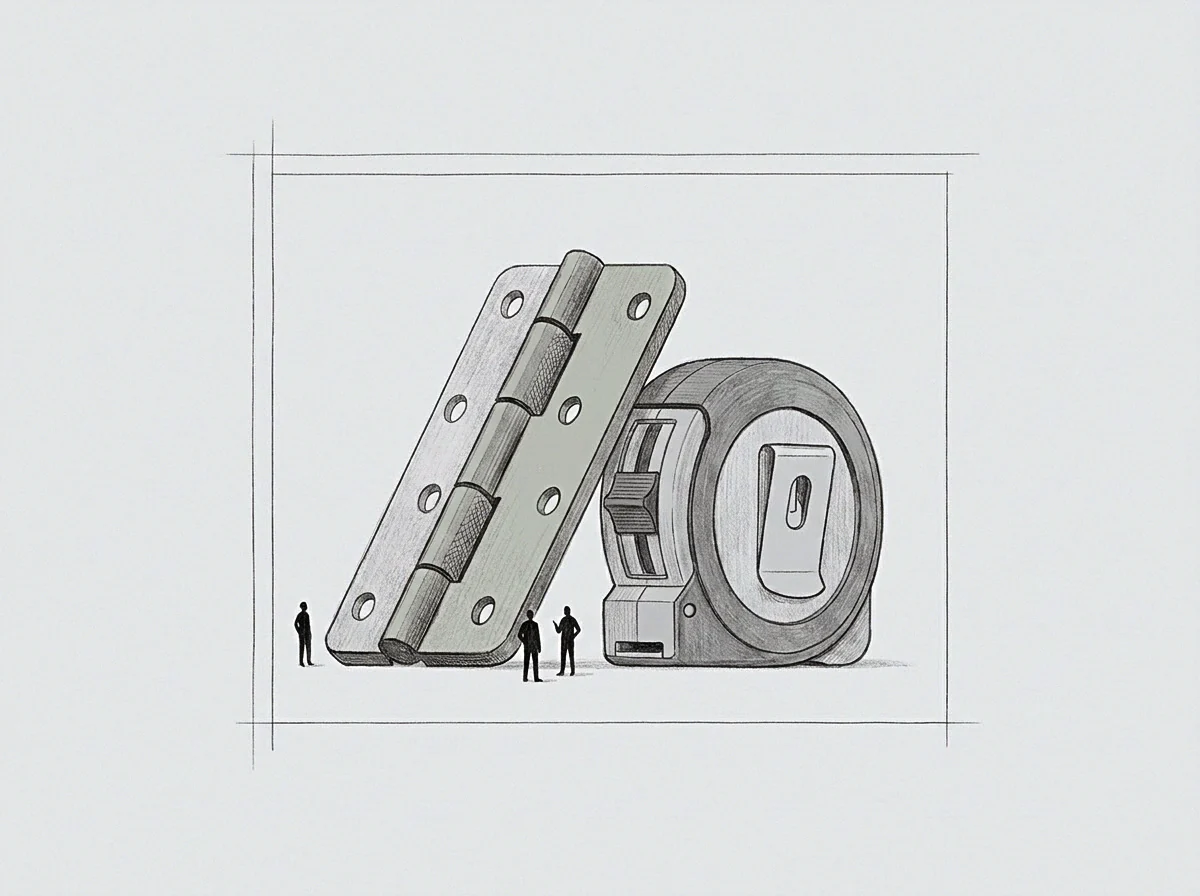
Enforcement Vectors in Operating Agreement Disputes
Successor operators have distinct legal and contractual pathways to resolve governance deadlocks, relying on contractual definitions of breach, manager removal terms, and equity repurchase clauses.
- Capital Call Dilution mechanisms allow managing members to issue required capital contributions for operational shortfalls, diluting members who refuse to contribute necessary funds.
- Shotgun Buyout Provisions allow one member to offer a specific buy-out price per unit, forcing the recipient to either sell their equity or purchase the offering member’s interest at that exact price.
- Fiduciary Standard Exclusions limit the statutory claims non-operating members can bring against managers, provided actions align with approved operating plans.
- Appraisal-Based Call Options permit the entity to repurchase retained equity upon a founder’s exit at fair market value determined by independent valuation experts.
Executing these contractual enforcement mechanisms requires compliance with notice periods, valuation procedures, and evidentiary standards. Disagreements escalate into deadlock when managers attempt dilution without contractual authorization.
Contractual buyout clauses execute successfully only when valuation methodologies are defined prior to the onset of owner disputes.

Contractual Buyouts and Capital Call Dilution
Capital calls serve as an enforcement tool when the business requires expansion capital. If the operating agreement permits the managing member to issue capital calls for valid business needs, equity owners must contribute pro-rata or face dilution according to pre-established mathematical formulas.
When enforcing a contractual call option, the operating agreement must define whether redemption pricing relies on EBITDA multiples, book value, or formal appraisal protocols. Ambiguous formulas invite litigation over minority discounts and lack of marketability adjustments, whereas an established formula depersonalizes the departure process.
The managing member maintains a fiduciary duty of loyalty and care when enforcing contractual options. Self-dealing during recapitalizations invalidates protections and exposes the manager to direct breach of contract claims from non-operating owners. Execution requires transparent financial disclosure and adherence to operating agreement procedures.

Toll
Sustained governance conflict burdens enterprise liquidity, operational focus, and executive retention. The primary casualty is managerial capacity, as successor operators divert hundreds of working hours away from client acquisition and market expansion toward legal compliance and dispute defense.
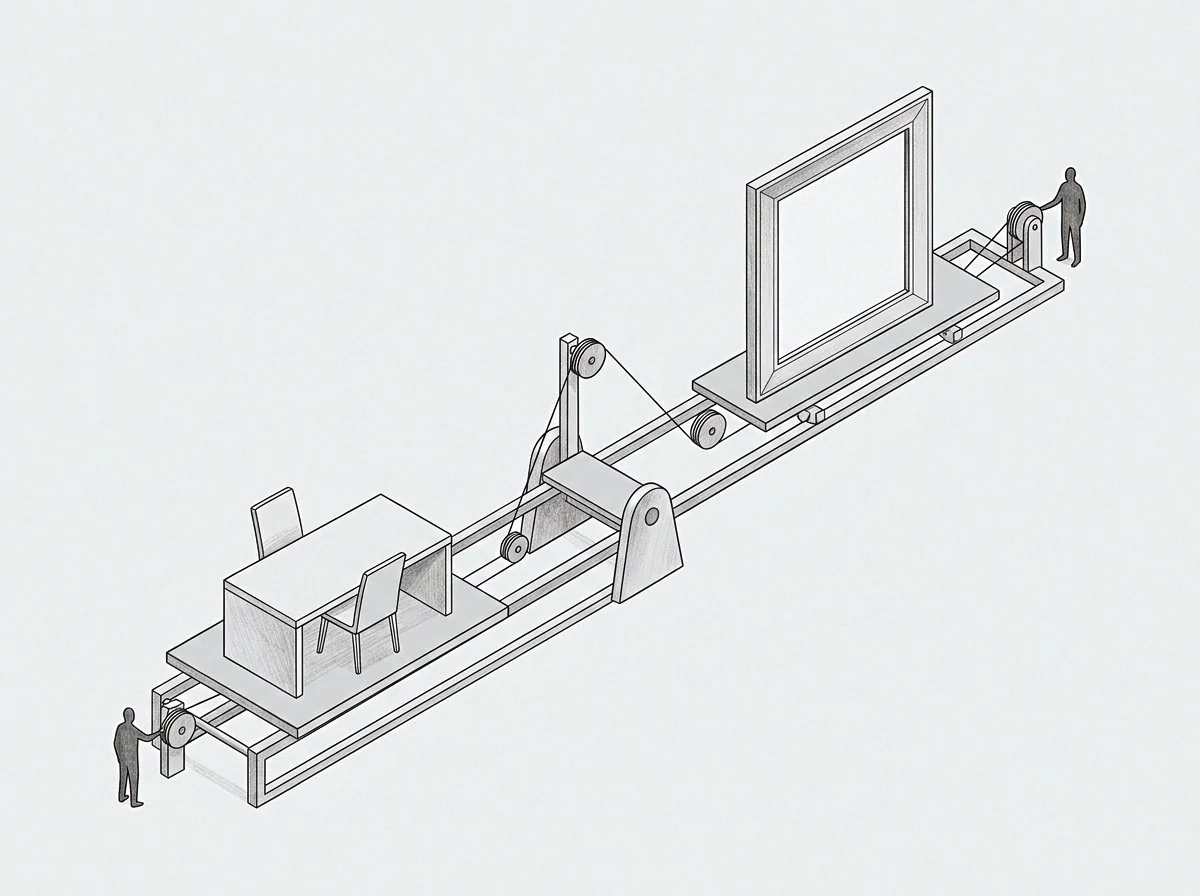
Enterprise Value Decay Under Governance Stasis
When equity friction blocks critical reinvestment, market share deteriorates. Key employees recognize executive distraction and ownership instability, leading to elevated turnover. Vendors and lenders detect ownership fragmentation, reducing credit terms and raising interest rates to compensate for perceived governance risk.
The expense of ongoing legal counsel, formal appraisals, and equity audits drains company reserves. These funds, redirected from product research or sales expansion, yield no commercial return while competitors capture market share.
The true price of unresolved equity friction is measured in missed market opportunities and depleted managerial energy.

Recapitalization and Equity Redemption Execution
Eliminating retained equity friction ultimately requires recapitalizing the business structure. The successor operator must secure third-party debt financing or mezzanine capital to fund the full redemption of the former founder’s equity units, as silent members retain statutory rights until cash transfers complete and legal releases are signed.
Converting equity claims into structured debt provides the former founder with fixed income while stripping away voting rights and operational interference. Fiduciary duties bind managing members throughout the conversion. Once redemption completes, operational control realigns with financial risk, restoring organizational clarity to the enterprise.
How much enterprise value must be lost to governance paralysis before owners agree to restructure legacy operating agreements?