
Establishing Board Level Financial Controls For Hidden Operational Liabilities In Owner Managed Infrastructure Systems
Board controls on infrastructure liabilities require independent engineering audits and automated cash escrows that convert physical decay into balance sheet obligations.

Seat
The night log shows a boiler feed pump vibrating at three times its baseline tolerance while the board report filed forty-eight hours earlier records zero capital expenditure variances. The owner who built the heating utility sits at the kitchen table at two in the morning, listening to the audio stream of an intake manifold, knowing that a three-millimeter clearance loss in a secondary impeller will destroy the turbine casing before the next quarterly review. That knowledge lives in the muscle memory of the hands that installed the skid twelve years ago, not in the asset registry.
The board pack distributed to outside equity partners shows an operating margin of thirty-two percent. That margin exists because three hundred thousand dollars of routine component wear remains unbilled, unaccrued, and absorbed by an owner who repairs high-pressure valves on Saturday mornings without entering a work order into the enterprise database.
Owner-managed infrastructure systems survive on uncompensated technical interventions that distort enterprise value. When the person who holds the equity also holds the spanner, operational decay presents as personal endurance rather than financial depletion. The technician seat absorbs the friction of degrading metal, obsolete telemetry, and unpermitted line modifications.
The director seat looks at cash balances and declares a dividend. This structural confusion masks catastrophic physical liabilities beneath apparent fiscal stability.
Deferred maintenance in physical plants registers as owner exhaustion long before it appears on an income statement.
Governing an infrastructure asset demands the separation of physical reality from administrative comfort. The technician repairs the immediate break to maintain pressure. The manager schedules preventative turnarounds against a rolling calendar.
The director allocates risk capital against balance sheet solvency. When one individual occupies all three positions, the technician consistently bails out the director. The plant continues to pump, compress, or switch load, while the deferred replacement obligation silently compounds at the rate of industrial corrosion.
A board lacking independent financial controls on physical degradation functions as an unwitting accessory to insolvency. Outside investors or non-executive directors rely on general ledger accounting standards that depreciate assets across thirty-year straight-line schedules. Pumps do not degrade on straight lines.
Cavitation accelerates exponentially once a threshold of wear occurs. Without telemetry-linked reserve mandates, financial statements present a profitable enterprise that is functionally hollowed out by deferred capital replacement. An unacknowledged mechanical defect eventually forces an emergency shutdown that drains operational cash reserves, breaches senior debt covenants, and wipes out common equity value in a single operational cycle.

Decay
Latent Physical Liabilities And Balance Sheet Drift
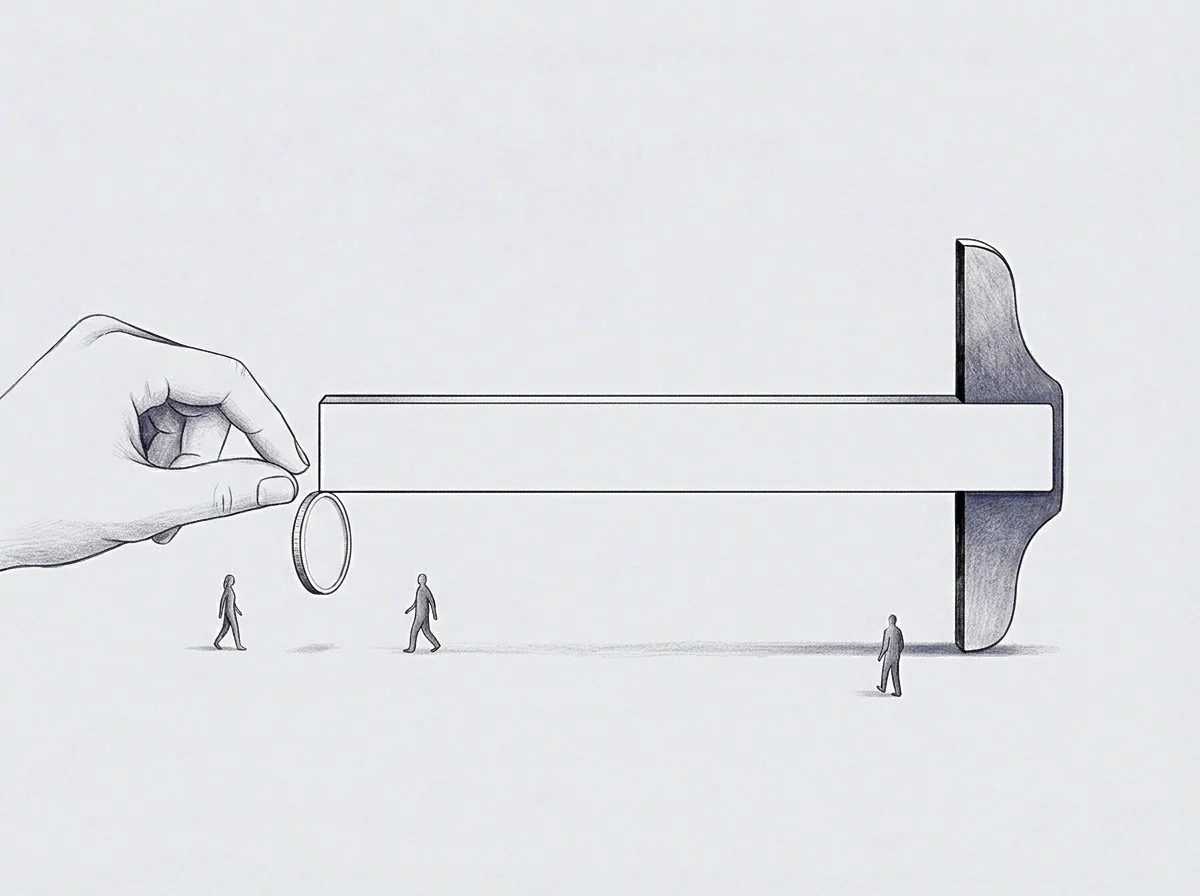
Infrastructure assets undergo unrecorded balance sheet leakage whenever maintenance regimes slip from proactive renewal into corrective patching. A municipal waste-to-energy plant, an off-grid microgrid, or an industrial wastewater treatment facility has a physical lifecycle determined by thermodynamic stress rather than tax depreciation tables. When the owner-operator manages operations through tacit sensory assessments, smelling an overheated bearing, listening to cavitation in a slurry pipe, or manually adjusting variable frequency drives to bypass faulty thermistors, the system accumulates undocumented technical debt.
The enterprise incurs a liability every hour an asset operates outside factory specifications. Because no third-party vendor submits an invoice for this degradation, conventional accounting treats the period as cash-positive. The owner-operator views this manual nursing of machinery as operational competence.
It represents unrecorded financial leverage. The plant is borrowing operating life from its own physical core to present favorable earnings before interest, taxes, depreciation, and amortization.
A physical asset run past its maintenance tolerance extracts capital directly from terminal equity value.
Consider a baseline case in a specialized bulk-liquid terminal. The owner-operator holds sixty percent of the equity and acts as managing director and chief engineer. Outside private equity holds the remaining forty percent with two seats on a five-member board.
Over four years, the terminal handles corrosive petrochemicals at twenty percent above design throughput. Return on equity sits at twenty-four percent. The board approves regular shareholder distributions based on clean audit reports prepared under standard financial reporting standards.
The physical reality diverges sharply from the audited ledger. Tank linings designed for eight-year recoating cycles remain uninspected because taking a tank offline reduces monthly throughput billings. Transfer pipelines exhibit wall thinning of forty percent at elbow joints.
The owner-operator manages this exposure through localized pipe clamps and manual pressure reductions during peak heat hours. The unaccrued liability for total tank refurbishment, hazardous sludge removal, and pipe replacement stands at four million two hundred thousand dollars. The entire annual operating cash flow of the business is three million eight hundred thousand dollars.
The enterprise appears liquid while facing immediate physical default.
Outside board directors who examine the monthly management accounts encounter no variance flags. Revenue exceeds forecast, labor expense sits below budget due to the owner-operator working eighty-hour weeks, and capital expenditure appears restrained. The financial reporting reflects accounting conventions rather than operational solvency.
If the owner-operator were to step down tomorrow, the replacement chief operating officer would commission an immediate engineering condition assessment. The resulting report would shut down three of the five storage tanks, trip debt service coverage ratios, and demand an emergency cash call that strips the owner of their equity stake.
We gave you the capital you asked for, and your numbers showed record distributions every single quarter while the pipes were rotting beneath the concrete.

Reserve
What Triggers Independent Operational Solvency Reviews?
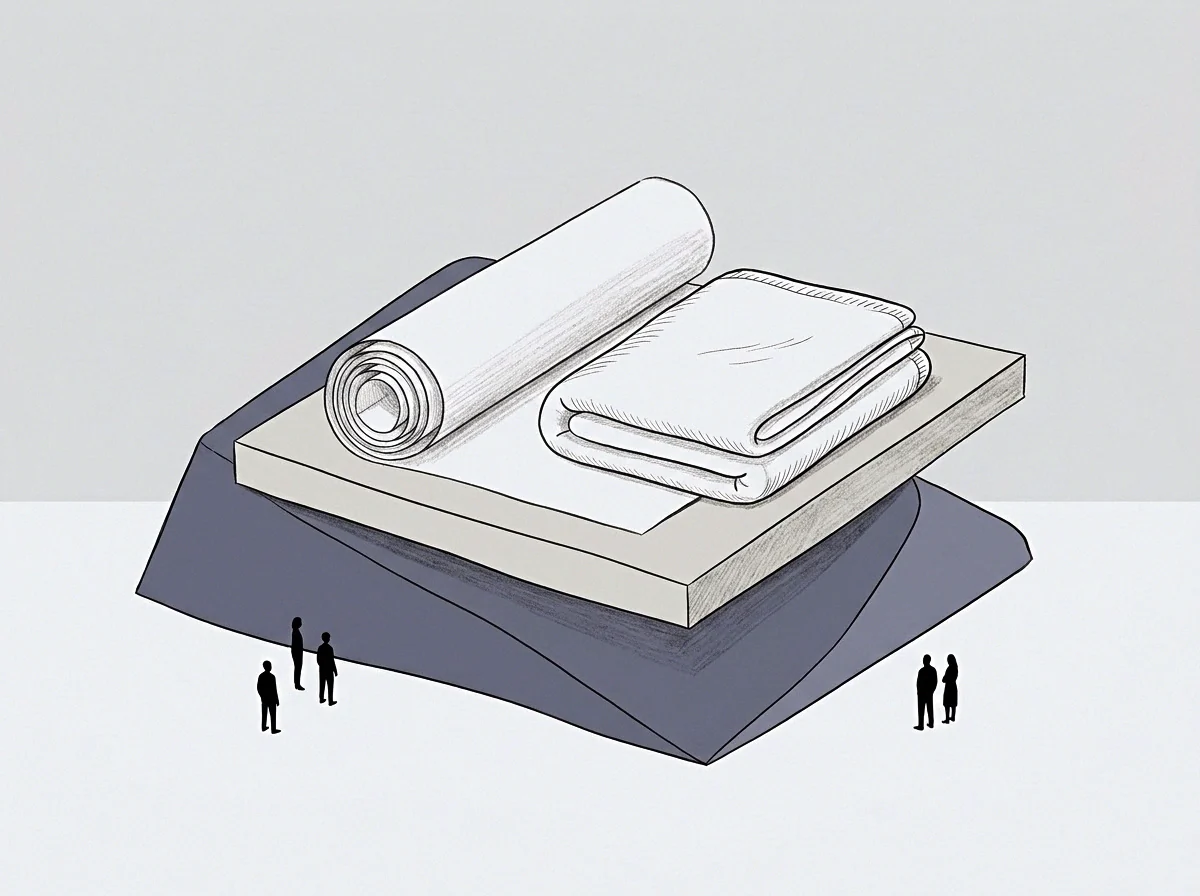
Board governance in owner-managed infrastructure requires institutionalizing the operational audit function so that technical liabilities appear directly on the balance sheet. This process begins by separating operational telemetry from the owner-operator’s personal discretion. The board establishes capital replenishment escrow reserves tied directly to run-hours, asset cycles, and independent nondestructive testing metrics rather than relying on managerial self-reporting.
The mechanism relies on an operational solvency threshold. When an infrastructure system crosses defined physical stress boundaries, financial controls automatically restrict discretionary distributions and reallocate free cash flow into asset renewal accounts. This control strips the owner-operator of the ability to trade physical integrity for short-term earnings.
| Governance Dimension | Informal Owner Supervision | Standard Accounting Depreciation | Telemetry Linked Board Escrow |
|---|---|---|---|
| Liability Identification | Tacit sensory awareness held by owner | Straight line historical cost amortization | Continuous nondestructive engineering audits |
| Cash Allocation Mechanism | Discretionary spending following breakdown | Theoretical non-cash reserve on ledger | Segregated cash escrow based on run hours |
| Trigger For Distribution Halt | Cash exhaustion at bank | Net income falling below zero | Physical condition index dropping below threshold |
| Replacement Cost Recognition | Emergency capital calls during crisis | Delayed until replacement event occurs | Accrued dynamically against component lifecycles |
The establishment of an asset integrity reserve demands clear governance rules. The board must mandate independent engineering assessments conducted by external certified inspectors every twelve months. These inspections determine the condition score for every core asset class: pressure vessels, rotating equipment, structural supports, electrical switchgear, and control systems.
The board-level control stipulates that if the composite condition score falls below eighty percent of design baseline, all equity distributions halt automatically until the remediation reserve is funded.
This financial protocol dismantles the tacit bailout mechanism. The owner cannot mask aging assets by working extra hours in the maintenance bay. If repairs are omitted, the external inspection reflects the deferral, the condition score drops, and cash flow is diverted to an escrow account managed by a third-party trustee.
The liability becomes explicit, quantified, and priced directly into the capital structure of the business.
The implementation of these reserves frequently triggers resistance from owner-operators who view dedicated cash escrows as idle capital that reduces return on equity. The capital is not idle. It functions as dedicated solvency reserves against catastrophic physical defaults.
The disagreement exposes the fundamental tension between operational longevity and short-term capital extraction. Can an owner-managed board establish objective engineering audits without prompting the founder to treat the third-party inspectors as hostile adversaries?
Veto

Statutory Directors And The Mechanics Of Technical Risk Containment
Non-executive directors in owner-managed infrastructure hold personal liability under environmental protection statutes, industrial health and safety legislation, and corporate law governing insolvent trading. When an owner-operator runs equipment beyond safe engineering limits, directors who rely solely on traditional balance sheets face severe legal exposure. A catastrophic tank rupture, a transformer explosion, or an untreated effluent discharge cannot be defended in court by claiming that financial statements were balanced.
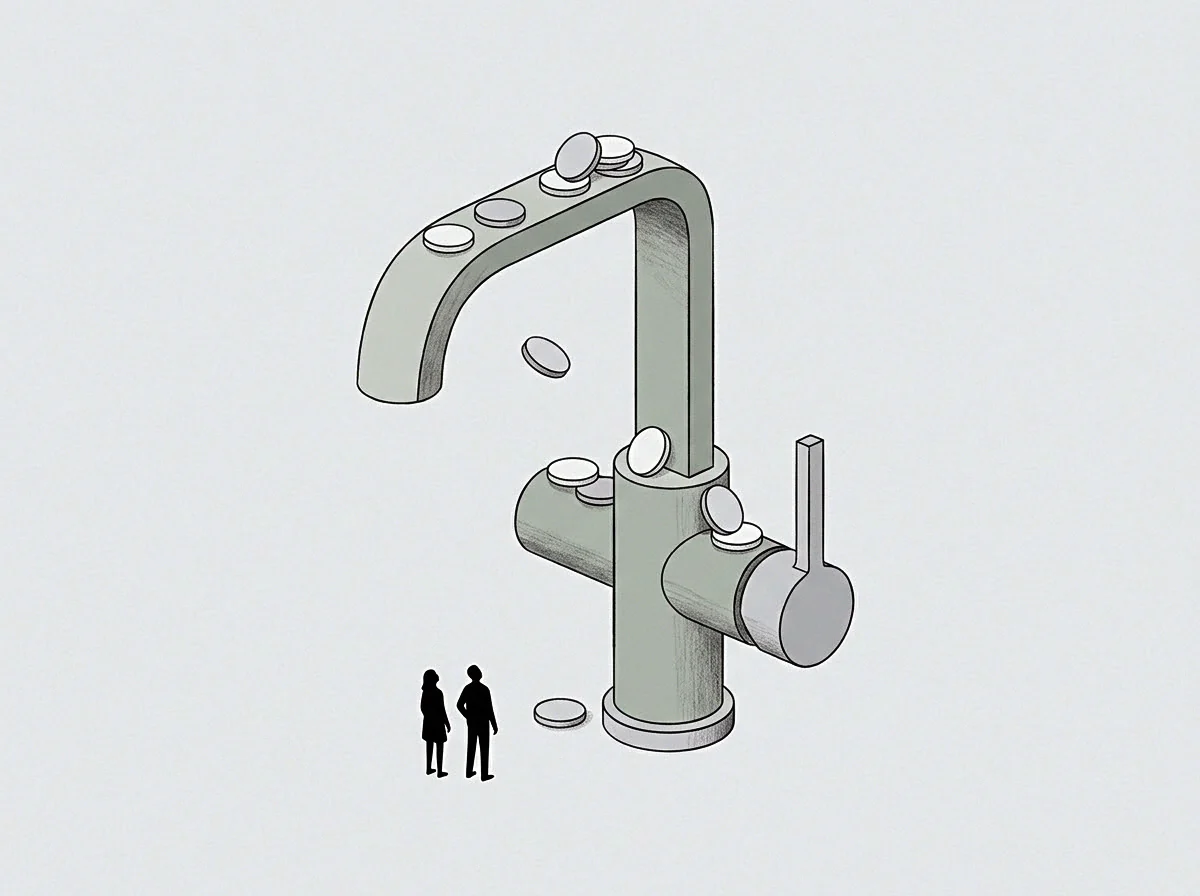
The board requires an operational veto mechanism that bypasses executive consensus. This authority is vested in an independent technical audit committee consisting of outside board members and an external engineering advisor. The committee operates with delegated authority to issue binding capital calls or mandate immediate asset shutdowns without executive management approval.
Establishing this oversight requires formal governance documentation. The board implements three non-negotiable operational controls:
- Engineering Condition Covenants require external ultrasonic thickness testing and vibration spectral analysis every six months, with results delivered directly to the audit committee.
- Automated Operational Escrow Accounts lock away five percent of gross top-line billings into dedicated maintenance reserves that cannot be accessed for working capital or debt service.
- Direct Whistleblower Channels provide plant operators and maintenance technicians confidential pathways to report bypassed safety interlocks or altered emissions logs directly to the non-executive directors.
These controls alter the operational dynamic. The owner-operator no longer acts as the sole arbiter of what constitutes acceptable operational risk. If an ammonia refrigeration loop exhibits micro-cracking, the independent engineering covenant forces the asset offline, triggering the operational escrow to pay for immediate recertification.
The financial control governs the technical operation, eliminating the shadow subsidy previously provided by the owner’s personal tolerance for mechanical danger.
The financial protocol transforms the employment agreement of the owner-operator. Under the terms of the revised operational covenant, any deliberate modification of safety bypasses, suppression of telemetry alarms, or unapproved deferral of statutory overhauls constitutes gross misconduct, resulting in the immediate forfeiture of operational management rights while preserving underlying equity ownership.

Bond
The transition from a personal, heroic maintenance regime to an institutionalized operational governance framework extracts a significant personal toll from the owner-operator. The founder who spent twenty years troubleshooting an infrastructure network through instinct feels displaced by automated sensors, third-party audit reports, and rigid escrow mechanics. The emotional response is predictable: the owner perceives formal controls as bureaucratic interference that slows response times and wastes valuable cash.
This perception misses the economic reality of the owner’s equity. An infrastructure business whose operational continuity depends entirely on the tacit knowledge and daily physical presence of its founder carries a heavy private company discount. Acquirers, infrastructure funds, and debt providers evaluate owner-dependence as an unquantified operational liability.
They apply high discount rates to future cash flows because they recognize that the moment the founder departs, the unrecorded deferred maintenance will surface and consume the company’s operating capital.
A technical asset whose solvency depends on the founder’s weekend labor cannot be sold, transferred, or financed.
By forcing operational liabilities onto the balance sheet and establishing segregated cash reserves, the board de-risks the asset. The founder is liberated from the technician seat. The spanner is put down permanently.
The maintenance of the asset shifts from an unrecorded personal obligation to a fully capitalized, transparent corporate function governed by contractual standards.
The true value of board-level financial controls on hidden liabilities lies in the conversion of unstable, tacit technical survival into durable, bankable enterprise value. When physical risk is priced accurately into the balance sheet, capital allocation decisions align with the thermodynamic realities of the plant. The company ceases to consume its own foundations to create illusory profits, securing the long-term wealth of its owners and the physical safety of the communities that depend on its service.
A plant run within its designed thermodynamic boundaries creates equity that survives the person who poured the concrete.