
Structural Limits On Fiduciary Oversight When Former Chief Technology Officers Retain Informal Production Access
Fiduciary oversight fails when corporate officer resignations occur without cryptographic revocation of lingering cloud infrastructure credentials and database root keys.
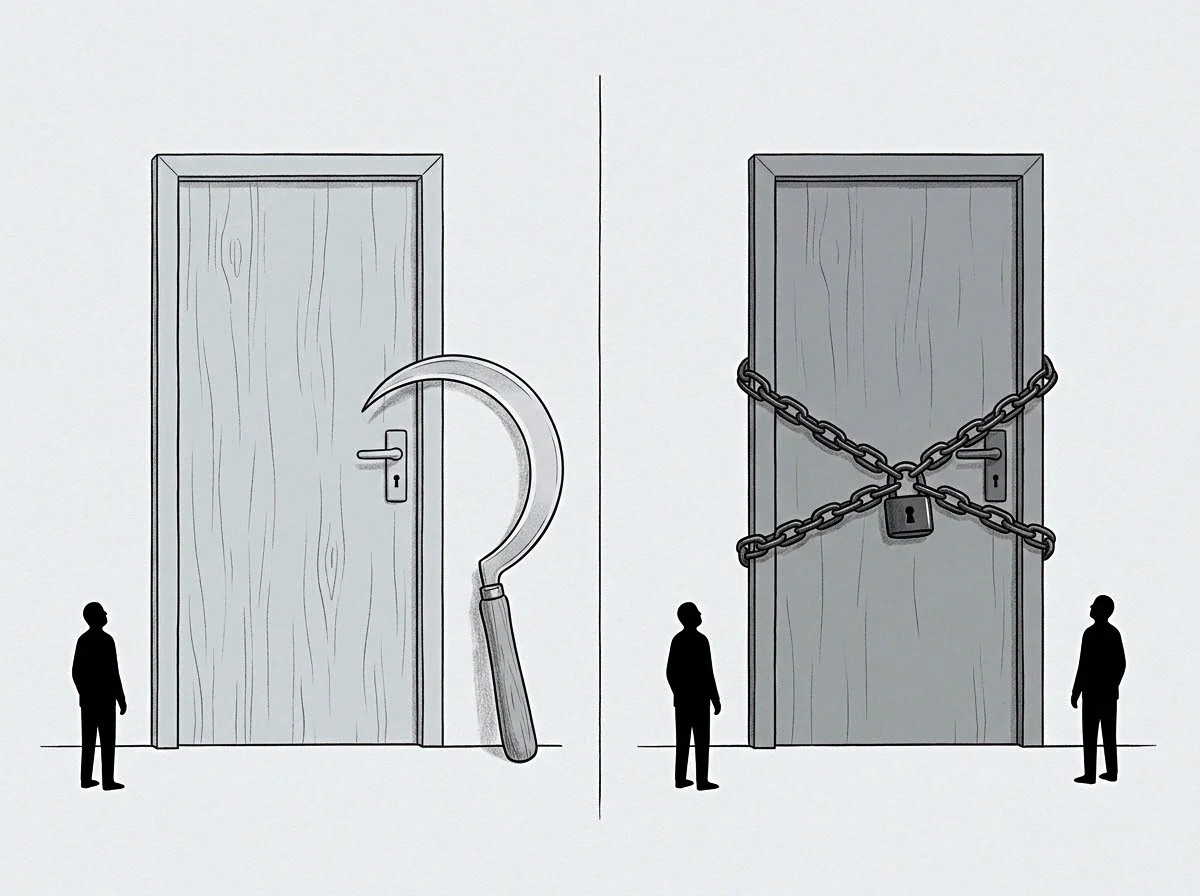
Switch
An administrative resignation document sits signed in the corporate secretary database while a personal public key remains active within the primary production cluster configuration file. Midnight maintenance scripts run under credentials created eight years prior during initial architecture assembly. The board receives confirmation that executive authority has ceased, yet server authorization logs record ongoing shell sessions initiated from the private IP address of the former technology leader.
Operational reality operates independently of corporate registry filings.
Corporate officers holding governance seats frequently rely on written officer departures to signal the termination of operational control. In software infrastructure, authority does not originate from equity agreements or board minutes. Authority exists as cryptographic authorization material, database connection strings, third-party vendor management tokens, and direct infrastructure console access rights.
When an executive transitions out of an operational seat without a comprehensive key invalidation cycle, the operational seat remains partially occupied. The organization maintains a legal fiction of severance while running production services under infrastructure permissions controlled by a non-employee.
Informal production access persists because early technical architecture routinely bypasses centralized identity providers. Technical founders build infrastructure using individual credentials, private repository tokens, and root access keys anchored to personal hardware security keys. As the organization grows, management layer tooling gets introduced for standard staff, but the original architect retains bypass accounts created prior to identity policy enforcement.
When that architect steps down from executive leadership, standard employee offboarding checklists fail to identify legacy entry points. Credential rotation stops at management boundaries.
Informal infrastructure entry points persist whenever departure checklists verify corporate identity systems without revoking hardcoded system keys.
The gap between reported corporate structure and underlying infrastructure permissions creates an immediate governance failure. Directors carry legal duties to oversee corporate operations and safeguard assets, yet standard financial audits never inspect cloud infrastructure role definitions or database access policies. Informal access retention allows a former officer to alter live application code, review customer data payloads, or modify data schema configurations without corporate authorization.
The board assumes revocation occurred.
This structural misalignment becomes visible when infrastructure failures occur post-departure. System outages, database modifications, or security incidents occurring after official resignation dates force an evaluation of who exercised administrative control. If logs show the former chief technology officer executed commands inside live environments to resolve an unannounced production issue, corporate governance breaks down completely.
The company operates under unmonitored external technical intervention. The former executive claimed the emergency forced direct intervention because no remaining employee possessed the technical knowledge required to restore service.
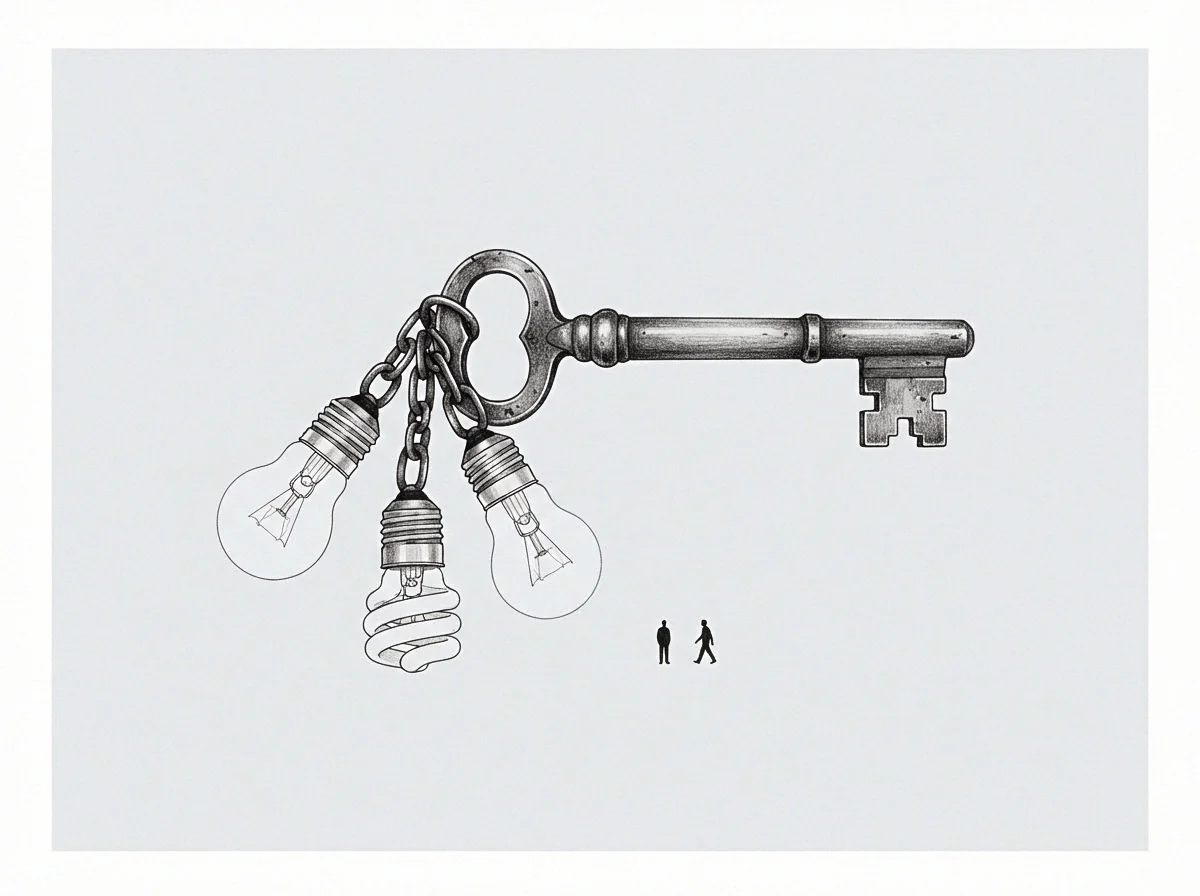
Duty
Legal obligations binding directors and corporate officers require active management of risk and asset control. The fiduciary responsibility of oversight, defined in corporate law through standards of care and loyalty, mandates that directors implement control mechanisms capable of monitoring operational performance. When technical leadership exits while retaining production access, board oversight meets a hard structural barrier.
Directors lack the technical instruments required to verify whether executive authority has actually ceased in operational environments.
The core oversight limitation rests on an informational asymmetry between corporate directors and infrastructure engineers. Directors read management status reports, external audit opinions, and officer attestation forms. None of these instruments query cloud identity access management APIs or inspect production deployment pipelines.
Fiduciary duty failure occurs not from director indifference, but from reliance on governance tools that stop at the application layer. The board reviews high-level controls while deep system permissions remain unmonitored.
Consider a typical technology enterprise operating a cloud-native architecture across two distinct business entities post-spinoff. The technical architecture relies on shared legacy databases managed through a root credential created by the founding technology executive. Assume the executive steps down, forfeits managerial authority, and signs a non-disclosure agreement while retaining equity and an advisory board position.
If the individual continues logging into production environments to resolve schema lockups, the corporate entity operates under unrecorded material liabilities. The table below outlines the structural split between formal corporate governance representations and actual technical oversight conditions.
| Oversight Dimension | Formal Corporate Representation | Actual Infrastructure Access Reality |
|---|---|---|
| Officer Status | Resignation effective; authority formally terminated via board resolution. | Active SSH keys, cloud console access, and root database tokens retained. |
| Asset Security | Attested compliance with data protection and corporate security policies. | Unmonitored external code deployments occurring without peer review. |
| Board Visibility | Quarterly risk reviews reporting zero unauthorized system access incidents. | System logs recording persistent sessions from former officer IP addresses. |
| Regulatory Standing | Certifications signed confirming total operational severance of departed staff. | Material omissions in access control records violating governance mandates. |
The legal consequences of this split affect both the ongoing corporate entity and the departing technical leader. For the corporate entity, representing to insurers, auditors, or acquirers that system controls meet strict security standards while unrevoked root access persists constitutes a misrepresentation of internal controls. For the former officer, accessing production systems without explicit contractual authorization exposes the individual to computer fraud claims and breach of contract allegations, even when the intervention aims to prevent system downtime.
Operational reliance outlasts corporate tenure.
Fiduciary oversight requires continuous, automated alignment between corporate officer rolls and production access rights. Where governance mechanisms rely on verbal assurances or unverified management sign-offs, internal control structures fail. A formal severance release containing standard covenant language remains ineffective against production system access until technical identity revocation is verified through cryptographic audit logs.
The governing separation agreement explicitly conditions severance payments upon verified cryptographic credential revocation across all cloud infrastructure hosts.
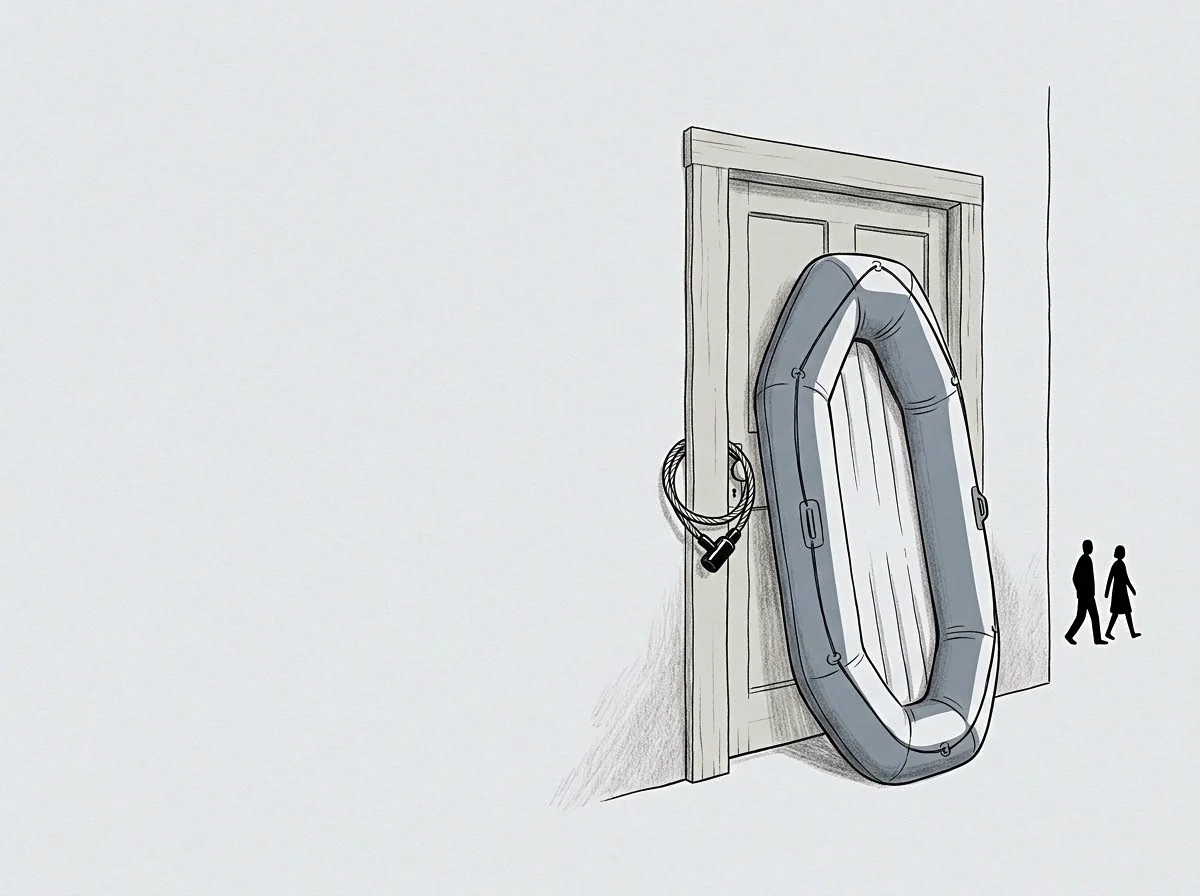
Exposure
Systemic vulnerability accelerates when informal access exists alongside ongoing equity ownership or contingent compensation. A former chief technology officer who retains equity often feels a personal obligation to preserve infrastructure stability, viewing direct intervention as protective of asset value. This protective motivation bypasses formal change management protocols, introducing untracked system modifications into live environments.
The company relies on invisible technical labor that governance bodies cannot inspect, evaluate, or insure.
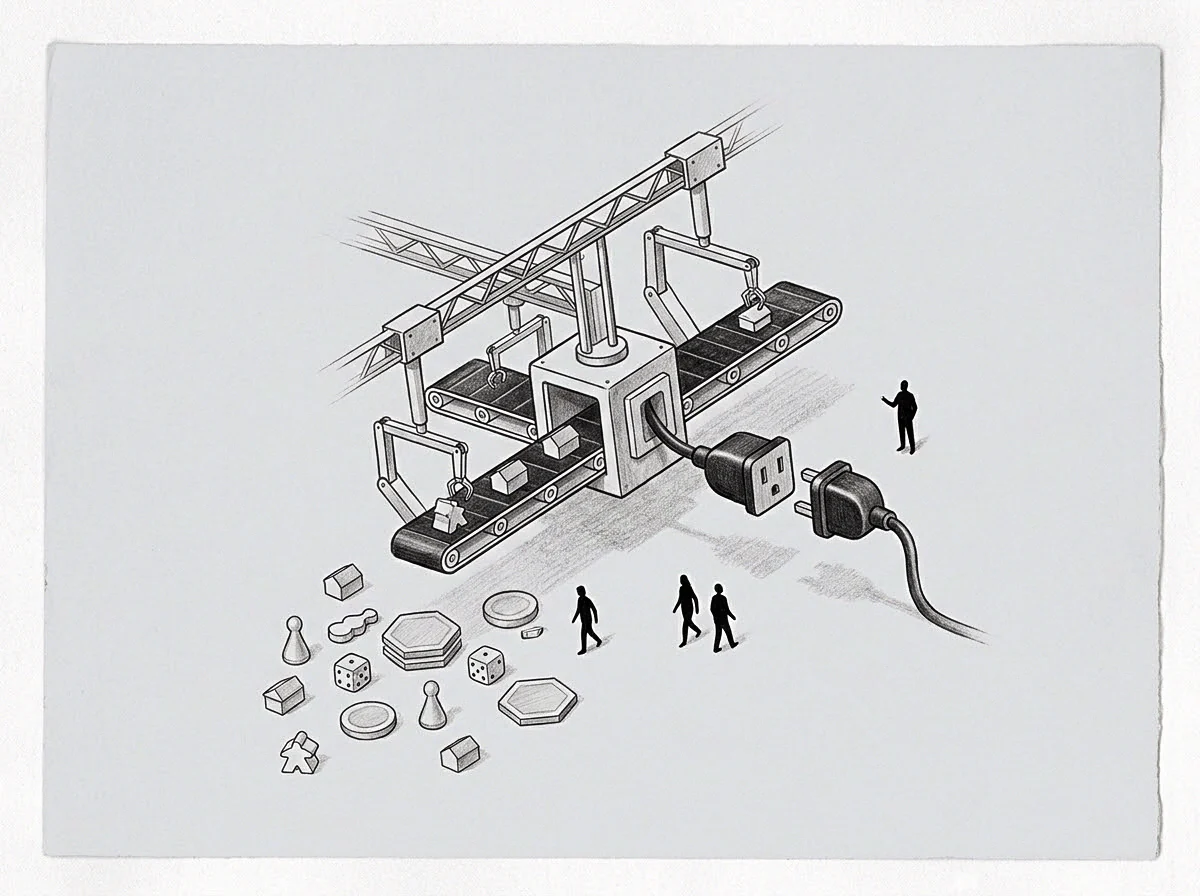
What Invalidates Board Oversight During Technical Handover?
Board oversight loses validity when technical knowledge transfer remains incomplete prior to executive departure. Technical founders frequently hold tacit infrastructure knowledge, comprising unwritten architectural dependencies, undocumented recovery sequences, and direct relationships with upstream vendors. When management forces an executive exit without allocating adequate hours for documented system handover, remaining engineering teams cannot manage production environments independently.
The technical vacuum forces informal operational reliance on the departed leader.
- Tacit Knowledge Monopolization occurs when an outgoing architect intentionally or accidentally keeps critical recovery procedures undocumented to preserve operational necessity.
- Emergency Contact Reliance develops when remaining operators experience production outages and contact the former officer directly via personal channels, bypassing formal escalation frameworks.
- Unsanctioned Production Edits happen when the former executive uses retained administrative access to apply fixes directly to live servers without logging code commits.
- Regulatory Attestation Failure manifests when corporate officers submit compliance reports certifying access revocation while legacy system tokens remain active across infrastructure components.
Operational vulnerability reaches maximum severity when production stability relies on informal interventions by non-employees using unmonitored credentials.
Insuring corporate liabilities becomes exceptionally difficult when technical access governance breaks down. Cyber liability insurance policies, director and officer indemnification agreements, and commercial client contracts routinely require strict access control compliance. If a data breach or system corruption event occurs and forensic analysis reveals that an unauthorized former officer accessed the environment using legacy keys, insurance coverage may be voided.
The organization assumes direct financial liability for damages caused during unsanctioned access sessions. The governance breakdown is complete.
Worse still is the legal exposure created during corporate transactions, such as funding rounds or acquisitions. Acquirers conduct rigorous technical due diligence, evaluating access logs, role-based permissions, and SOC 2 compliance attestations. Discovering that a former executive maintains production access introduces immediate transaction friction, often resulting in escrow withholdings, reduced valuations, or deal termination.
The financial cost of failing to enforce complete operational severance lands directly on shareholder value.

Audit
Verification of infrastructure control demands technical inspection methods that operate below the management reporting layer. Traditional corporate auditing checks organizational charts, approval policies, and written separation agreements. Modern infrastructure auditing queries real-time access policies, evaluates identity provider directory integrations, and verifies key management service logs.
The seat of technical oversight requires technical validation tools.
Achieving verifiable operational separation involves a systematic audit methodology capable of exposing residual administrative pathways. Standard enterprise systems contain hundreds of integration points created over years of continuous development. The following list outlines the specific areas technical auditors inspect to establish true access revocation:
- Identity Provider Directory Binding requires evaluating centralized single sign-on directories to confirm complete account deactivation across primary, secondary, and sandbox tenant spaces.
- Cloud IAM Policy Extraction involves exporting all identity and access management policy JSON documents to detect hardcoded user principal names or personal account role assumptions.
- SSH Authorized Key Sweeps requires automated scans across every deployed instance, virtual machine, and container template to remove non-standard public key entries from system user files.
- API Token Lifetime Audit involves invalidating all long-lived application programming interface tokens, webhook secret keys, and continuous integration pipeline credentials created under former officer user contexts.
- Third-Party SaaS Administrative Audit requires auditing user lists within core technical service providers, including code repositories, monitoring platforms, DNS registrars, and cloud billing portals.
Technical authority terminates only when cryptographic key revocation across all infrastructure assets is verified by automated configuration inspection.
Static audit reports capture only a single moment in time. Infrastructure configurations in automated cloud environments change continuously through automated deployment pipelines. If an outgoing technology leader created automated infrastructure-as-code scripts or backdoor service accounts prior to departure, standard point-in-time access reviews will miss them.
Continuous monitoring of infrastructure code repositories and automated deployment pipelines is required to detect post-departure access pathways. System architecture retains personal keys.
When technical audit procedures discover residual access points long after an officer’s departure, corporate boards face difficult strategic decisions. Should the organization quietly revoke credentials and update controls, or must it initiate a formal internal investigation to determine whether data exfiltration or unauthorized modifications occurred during the lingering period? The decision hinges on the presence of anomalous system logs and the potential impact on regulatory disclosures, leaving open the legal question of whether past silence constitutes a waiver of corporate claims against the former officer.
Remedy
Establishing effective structural limits on fiduciary oversight requires integrating technical access revocation into legal corporate governance processes. Legal separation documents, executive severance contracts, and equity vesting modifications must be tied directly to verifiable technical offboarding benchmarks. Corporate secretaries and legal counsel cannot issue final severance disbursements or confirm equity acceleration until technical audit teams deliver written verification of complete infrastructure key invalidation.
The transition process must re-architect technical operations to eliminate reliance on any single individual. Organizations must implement strict role-based access control models, mandate short-lived identity federation tokens, and prohibit long-lived infrastructure credentials. When an executive prepares to step down, the board must mandate a mandatory technical shadow period during which the outgoing officer’s access is restricted to read-only permissions while successor engineers operate the production environment.
This process forces hidden architectural dependencies and tacit operational knowledge to surface before final exit agreements are executed.
Contractual terms governing executive departure must explicitly address post-tenure technical interactions. Severance contracts should include specific definitions of system access, explicitly prohibiting log-ins to corporate cloud environments, code repositories, or communication channels without prior written authorization from the board of directors. Provisions should establish liquidated damages or equity clawback mechanisms if a former officer accesses production environments informally, regardless of whether the intervention was intended to fix a system fault.
Equity vesting continues regardless.
Ultimately, board members must recognize that corporate governance and technical architecture are deeply linked operational domains. A director cannot fulfill oversight obligations while treating technical infrastructure as an isolated operational black box delegated entirely to engineering staff. Fiduciary care mandates understanding how access control mechanics protect corporate assets, ensuring that when an officer leaves the executive chair, their operational access to live production systems terminates completely on the exact same hour.
Verification precedes trust when aligning legal corporate severance with infrastructure access termination.