
Resolving Governance Deadlocks Between External Chief Executives And Majority Controlling Shareholders
Statutory shareholder control and managerial authority produce deadlocks that resolve through reserved matters, independent casting votes, or buyout formulas.

Rift
The founder enters the room with seventy percent of the voting equity and sits down opposite an external chief executive who holds none. Four months into the operating year, payroll expansion requires signing, the credit facility demands renewal, and neither person picks up the pen. The owner treats every operational hire as a personal capital expenditure, while the executive treats every owner intervention as an infringement on managerial authority.
Governance impasse between an owner-controller and an external operating officer stems from a basic structural contradiction. Company law locates ultimate authority in the shareholder register, granting the majority block holder the right to appoint directors, amend articles, and liquidate corporate assets. Corporate management theory and modern executive employment contracts grant the chief executive officer exclusive operational charge over the daily enterprise.
The owner assumes ownership buys continuous directional revision. The executive assumes appointment buys operational autonomy within the approved budget.
A structural deadlock emerges when majority voting rights collide with contractual executive autonomy inside an unamended corporate constitution.
This division produces distinct institutional failures. The external executive operates under fiduciary duties running to the corporate entity, requiring independent judgment regarding solvency, capital allocation, and commercial viability. The controlling shareholder often acts from personal liquidity horizons, legacy emotional commitments, or idiosyncratic risk appetites.
When the controlling block retains informal channels to subordinate staff, the formal authority of the executive desk erodes quickly.
Staff members receive contradictory directions by five in the afternoon. Suppliers wait for dual signatures that never arrive. The executive spends thirty hours each week drafting defensive documentation rather than directing operations.
Left unaddressed, the company bleeds executive attention while overhead continues to accumulate.
The capital structure makes conventional board arbitration impossible when the controlling owner occupies the board chair and commands the underlying voting register.

Lines
Clarifying authority requires separating ownership rights from managerial discretion by drafting explicit operational lines. Without explicit limits, the controlling owner treats company accounts as personal funds, while the chief executive assumes absolute control over strategic enterprise direction. This confusion paralyzes routine commercial activity.
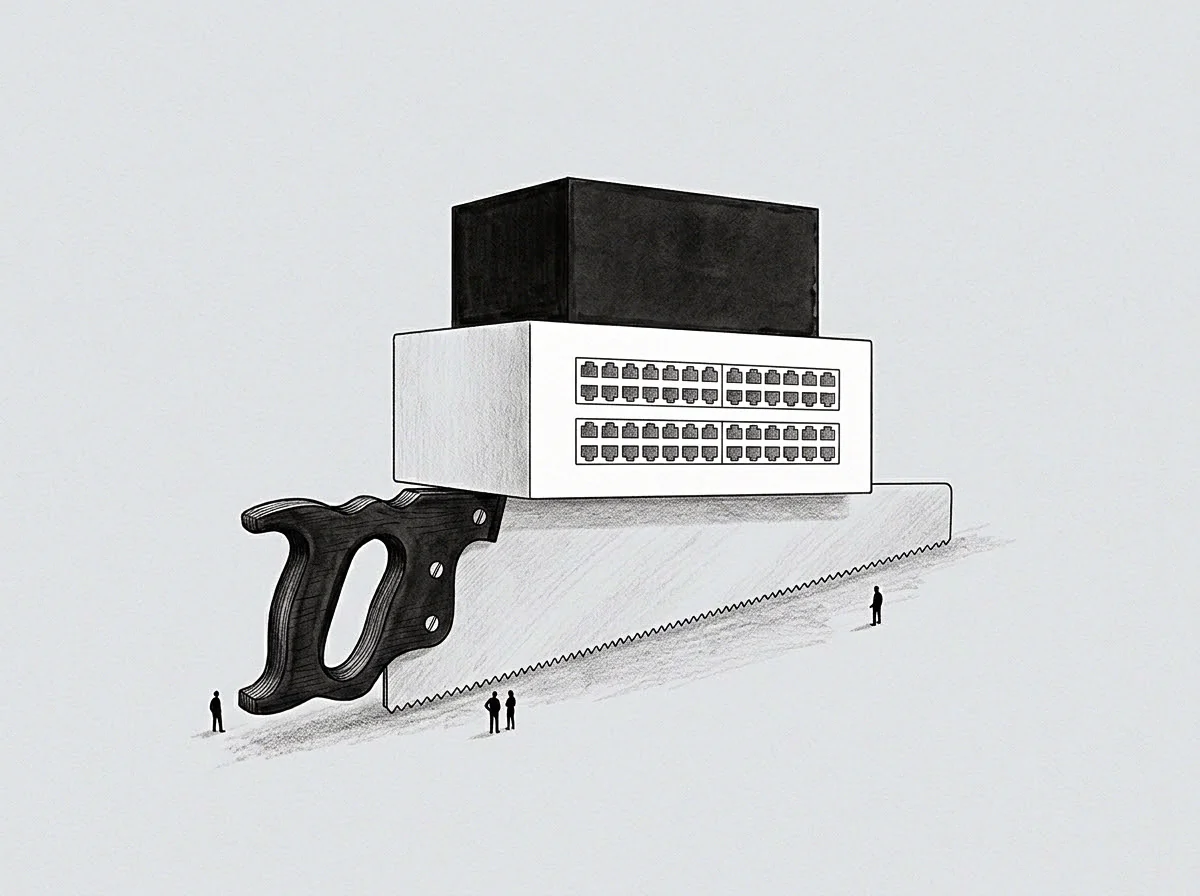
Drafting Clear Operational Demarcations
Organizations eliminate standard governance confusion by sorting all corporate decisions into three distinct operational domains.
- Reserved shareholder matters include equity issuances, alterations to the articles of association, major asset disposals exceeding specified balance sheet thresholds, entering entirely new business lines, and initiating voluntary liquidation proceedings.
- Board determinations encompass annual operating budget approvals, long-term credit facility commitments, executive compensation arrangements, and litigation settlements that breach defined liability levels.
- Executive operational prerogatives control hiring and firing below the director tier, vendor procurement within pre-approved departmental budgets, pricing structures, and ordinary day-to-day corporate communication.
When drafting an executive employment agreement alongside an amended shareholders agreement, parties often rely on financial thresholds to preserve executive agility while protecting shareholder value. The chief executive retains unencumbered signing power up to a specific capital figure, requiring dual authorization beyond that limit. If the owner demands continuous veto power below standard operational minimums, the executive seat loses its operational function.
A governance boundary holds only when financial thresholds operate automatically without subjective parental vetoes.
The manager accepts accountability for enterprise performance solely when matching administrative authority exists within the bounded operational territory. Denying that authority while demanding commercial targets constitutes severe contractual dissonance.
Uncertainty appears when unusual commercial events emerge that fit none of the explicit threshold definitions.

Tier
The formal composition of the boardroom determines whether governance disagreements escalate into destructive institutional crises. In closely held companies, controlling owners frequently populate the board with personal associates, familial relations, or professional advisors whose commercial survival depends directly upon shareholder patronage. An external executive facing a packed boardroom possesses no formal venue for balanced debate.
Balancing board architecture requires moving beyond direct bilateral negotiations between the owner and the operator. The introduction of an independent director establishes an institutional buffer, evaluating operational deadlocks against corporate longevity rather than emotional ownership entitlements or short-term executive compensation metrics.
| Mechanism Type | Structural Locus | Operational Cost | Speed of Resolution | Preservation of Role |
|---|---|---|---|---|
| Independent Casting Vote | Boardroom Tier | Annual retainer and board fees | Within forty-eight hours | Maintains both executive and ownership seats |
| Mediation Escalation Window | Bilateral Neutral Forum | Professional neutral fees | Fourteen to thirty business days | Requires mutual compromise to survive |
| Contractual Shotgun Buyout | Equity Tier | Complete equity refinancing | Sixty to ninety business days | Terminates either owner control or executive seat |
| Judicial Winding-Up Petition | State Tribunal | Public legal and liquidation fees | Six to twenty-four months | Destroys enterprise value entirely |
Empirical studies across middle-market private enterprises indicate that governance deadlocks resolve faster when independent board representation holds a formal tie-breaking mandate. This finding rests heavily on manufacturing and distribution sectors with stable asset bases. The conclusion weakens significantly inside early-stage software companies where founder identity intertwines inextricably with software architecture and early customer capture.
In those settings, an independent board vote overriding an owner often produces silent shareholder sabotage that no formal casting vote can suppress.
A persistent risk remains the covert capture of independent board seats by the majority owner through backchannel consulting contracts or relational leverage.
An owner who circumvents the boardroom damages the moral legitimacy of the enterprise across every operating layer.

Pact
When strategic divergence prevents ordinary operations, contractual dispute resolution protocols govern the formal interaction. The chief executive and the controlling owner cannot rely on informal goodwill once commercial views diverge fundamentally. The corporate constitution must contain an explicit, staged escalation framework.
Does Mediation Function Under Extreme Shareholder Asymmetry?
Structured dialogue resolves governance deadlocks only when clear financial consequences compel both parties toward practical agreement. A standard thirty-day cooling-off period pauses unilateral corporate actions, including dismissal motions and unauthorized debt drawdowns. The parties refer the specific deadlock point to a predetermined professional neutral with sector experience.
Mediation exposes whether the dispute stems from simple operational friction or incompatible commercial horizons. The owner may seek cash preservation to fund external real estate obligations, while the executive demands capital expenditure to preserve core technological competitiveness. If the mediator discovers aligned financial interests, contractual language modifications resolve the friction quickly.
When capital horizons diverge completely, interpersonal compromise cannot bridge the structural gap.
Where mediation fails, contractual clauses must dictate unambiguous exit economics. The Russian roulette clause permits one party to name an enterprise valuation, granting the counterparty the immediate option to either sell their equity stake or acquire the offering party at that exact price. Similarly, the Texas shootout clause requires competing confidential bids, compelling the higher cash bidder to buy out the other party.
These mechanisms carry severe execution risks for an external chief executive who lacks the balance sheet depth of an entrenched controlling owner.
Consequently, external executive agreements commonly substitute clear contractual buyout provisions, severance escalators, and accelerated equity vesting triggers whenever a controlling owner overrides board-approved strategic budgets.
The contract specifies that an unrectified operational override triggers thirty-six months of accelerated base compensation alongside immediate fair-market enterprise equity valuation buyouts.
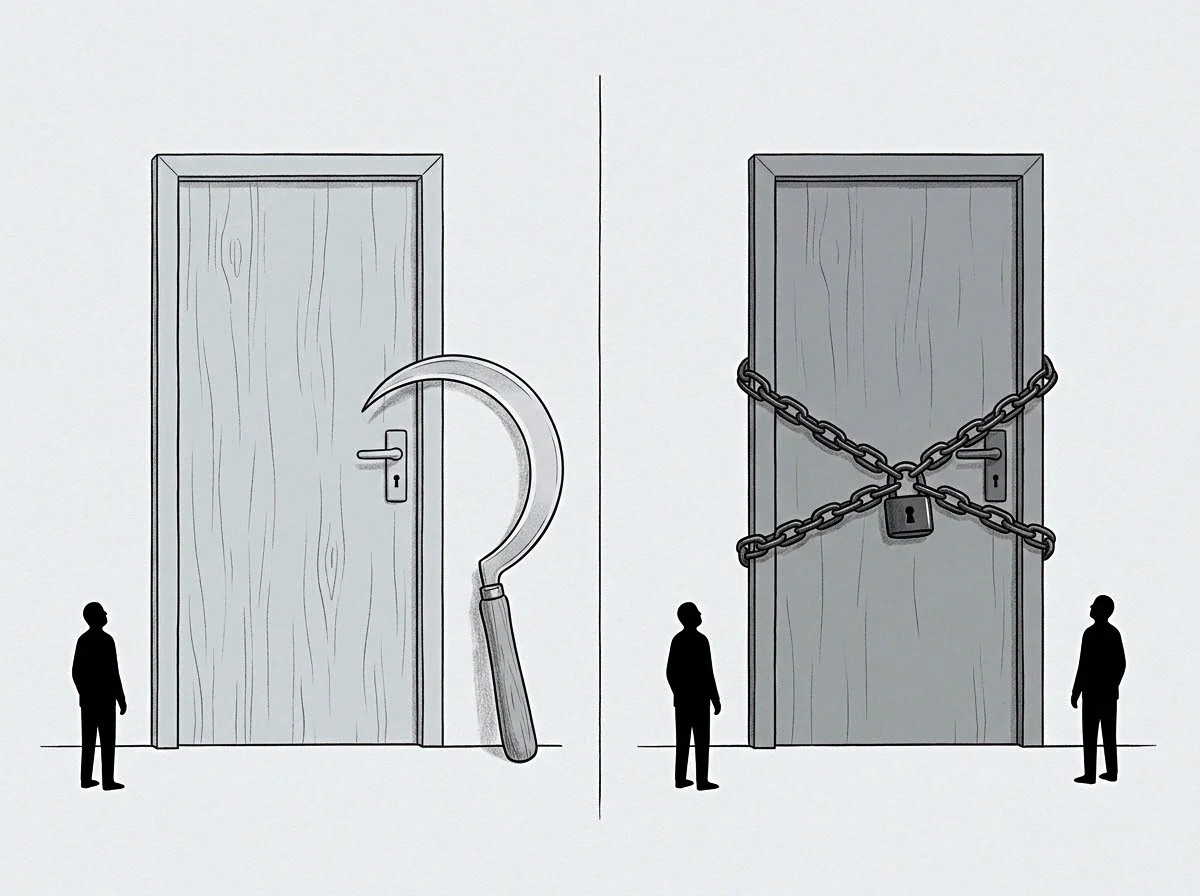
Cost
Unresolved governance friction carries a devastating toll that standard accounting ledgers routinely fail to capture. The true expense registers directly in lost executive operational capacity, diminished institutional focus, and rapid talent flight across senior staff. The executive caught in structural paralysis spends energy protecting personal liability instead of building corporate value.
Top operational deputies recognize boardroom fractures quickly. Senior technical leads, commercial sales directors, and finance controllers depart for stable enterprises once contradictory governance mandates emerge. Recruiting top replacements becomes virtually impossible as industry gossip identifies the controlling owner as an untrusted operator.
The firm inevitably experiences strategic stagnation. Competitors secure expanding market share, enterprise capital costs climb as lenders price in ownership uncertainty, and corporate enterprise value deteriorates steadily. The external chief executive leaves behind a hollow corporate hull, while the controlling owner re-enters the operational seat out of sheer financial necessity.
An owner either respects the boundary of the appointed seat or runs the company directly.
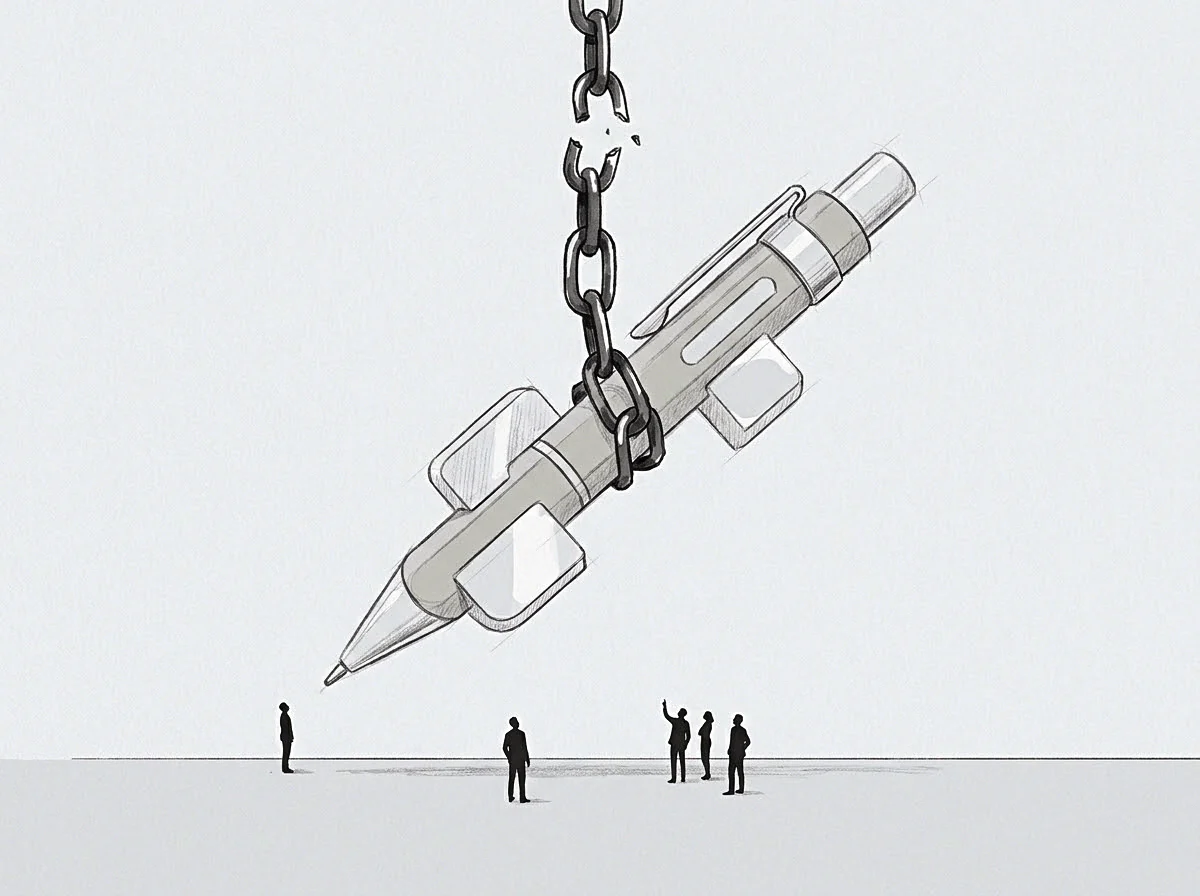
Exit
When contractual mechanisms, board mediation, and operational redlines fail to dissolve the deadlock, the external executive must execute a structured, orderly withdrawal. Clinging to an unworkable executive post under a hostile majority owner consumes valuable career capital and invites personal reputational ruin. A clean, disciplined departure protects professional standing and preserves remaining enterprise value.
The separation sequence requires meticulous structural execution. The departing officer documents all open commercial matters, confirms financial compliance to protect personal fiduciary standing, and formalizes severance packages agreed upon during initial contract negotiations. The executive steps down cleanly from all operational, banking, and statutory directorship roles.
The controlling shareholder reclaims total operational control of the enterprise. The owner steps directly back into the managerial chair, confronting the daily operational burdens they previously sought to delegate. The company transitions back into an owner-operated enterprise, shaped entirely by the owner’s personal capacity, single-point risk profile, and uninterrupted directional authority.
Whether an owner-managed firm can scale sustainably without surrendering operational autonomy to non-shareholder management remains an open question for corporate longevity research.