Meaning
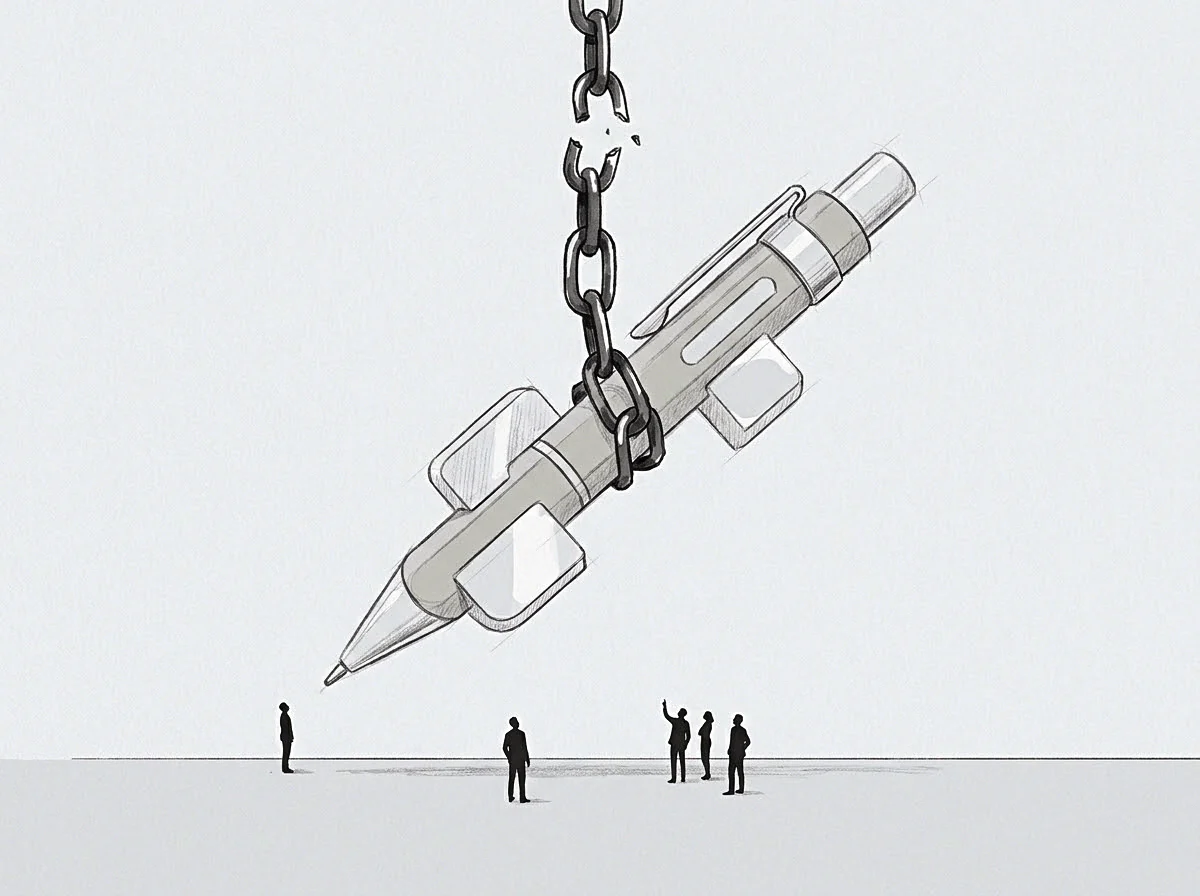
Administrative friction defines the cumulative delay in organizational performance caused by pending authorizations from an individual who has transitioned away from daily operations. This approval backlog drag occurs when a former operator retains signing authority while their attention shifts to new ventures or board duties. It identifies the gap between the speed of the current team and the response time of the legacy founder.
Throughput Reduction
Stalled initiatives and idle human capital represent the primary measurable results of this administrative friction. When a manager submits a proposal, the time spent waiting for a signature consumes the window for action. This lag creates a pile of requests that forces the manager to pause project execution and results in a measurable approval backlog drag across multiple departments.
Signature Constraint
Bureaucratic bottlenecks often result from keeping high-threshold triggers in place after a leadership change. Reducing the approval backlog drag requires shifting these limits upward or delegating them to the new operator to release the pressure. The arrangement protects the founder from unwanted risk but at the expense of the company’s agility.
Attention Cost
Founders who hold onto these specific powers find their own capacity drained by low-value tasks. Reviewing minor invoices or contract extensions takes hours away from strategic thinking or new projects. This approval backlog drag grows as the company scales, turning a simple check into an exhausting cycle of emails and reminders.
The person in the oversight seat pays in focus for the control they refuse to yield.