Meaning
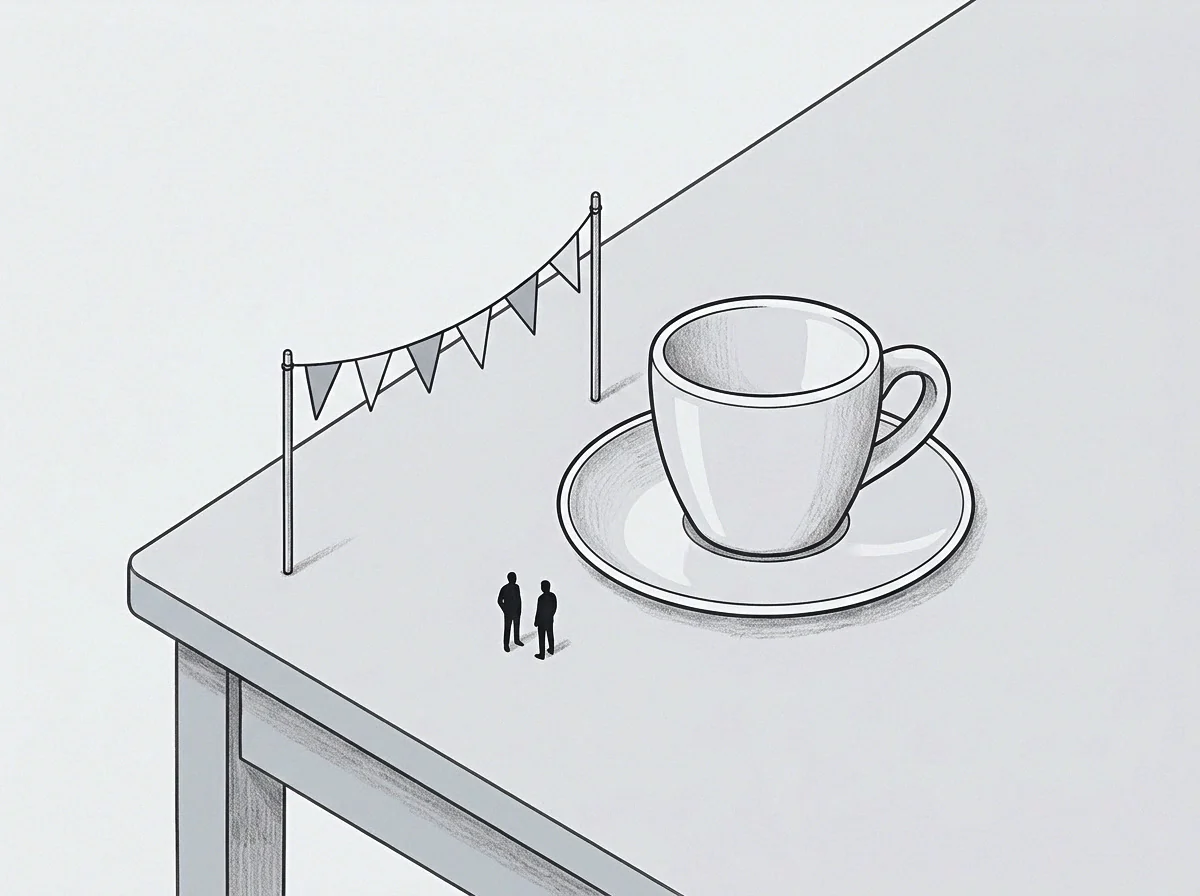
Social weight and psychological influence remain within an organization even after the formal departure of a leader from a specific seat. This authority residue exists in the expectations of the staff and the established rhythms of the company. It defines the boundary where formal power ends and historical influence continues.
Cultural Persistence
Behavioral patterns within a firm often outlast the tenure of the person who established them. Employees look for familiar cues, and the authority residue functions as an unofficial hierarchy. This effect creates a cost in attention for any successor who must overwrite existing habits.
Decision Friction
Structural delays emerge when the presence of a former founder in a non-executive capacity complicates the adoption of new strategies. Staff might instinctively defer to a legacy approach, or they could seek unofficial approval from the previous seat holder through informal channels. This creates a secondary layer of validation that bypasses the formal chain of command.
Such a dynamic slows the execution of tactical pivots and lowers the decision velocity of the entire firm. The resulting confusion over where the final word sits consumes the focus of the current executive team.
Leadership Transition
Successful handovers require the active dismantling of old patterns to make room for new governance. If the previous leader stays too close to operations, the residue prevents the new manager from establishing a clear mandate. A clean break is a structural requirement for the health of the seat.