Meaning
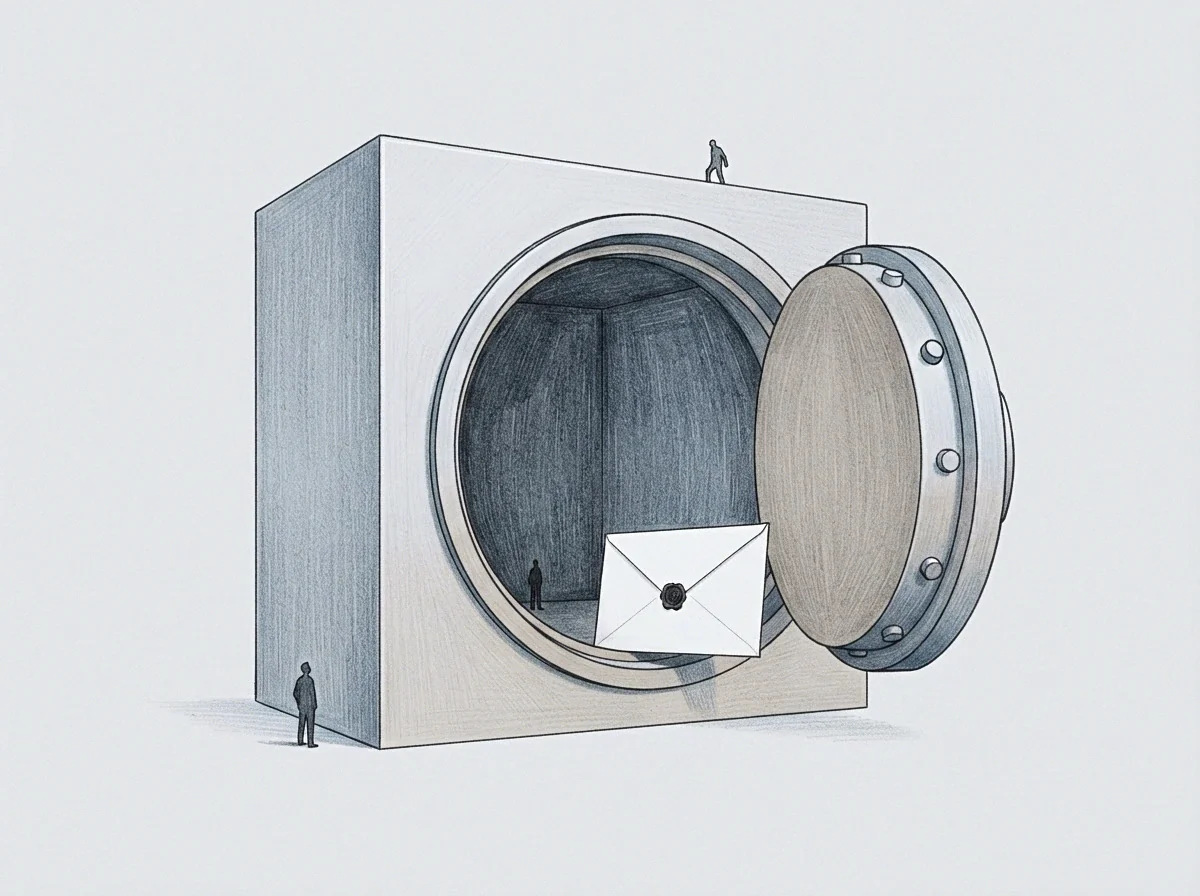
State of decision-making paralysis occurring when an even split of votes prevents a governing body from taking action. Typical board deadlocks arise in joint ventures or companies where a founder and an investor hold equal voting power. The condition persists until a tie-breaking mechanism is triggered or one party yields.
Decision Paralysis
Gridlock stops the progress of strategic initiatives and halts the authorization of capital expenditures. When board deadlocks occur, the daily work of the management team enters a state of uncertainty because no clear directive exists.
Resolution Mechanism
Provisions in the bylaws often dictate how to break a stalemate through mediation or a casting vote. A persistent board deadlocks situation might trigger a buy-sell agreement where one party must purchase the other’s interest. These clauses are designed to restore movement to the corporate hierarchy at the cost of one leader’s position.
Decisions made under such pressure often favor the party with the deepest pockets rather than the best strategy.
Strategic Risk
Protracted conflict at the top level creates a vacuum of leadership that competitors can exploit. Because board deadlocks signal internal instability to external partners, the company often sees a decline in its credit rating or market reputation. The founder pays for this friction in lost opportunities and a depletion of the energy required to steer the company through crisis.
Internal morale suffers when the vision of the firm remains contested for months at a time.