Meaning
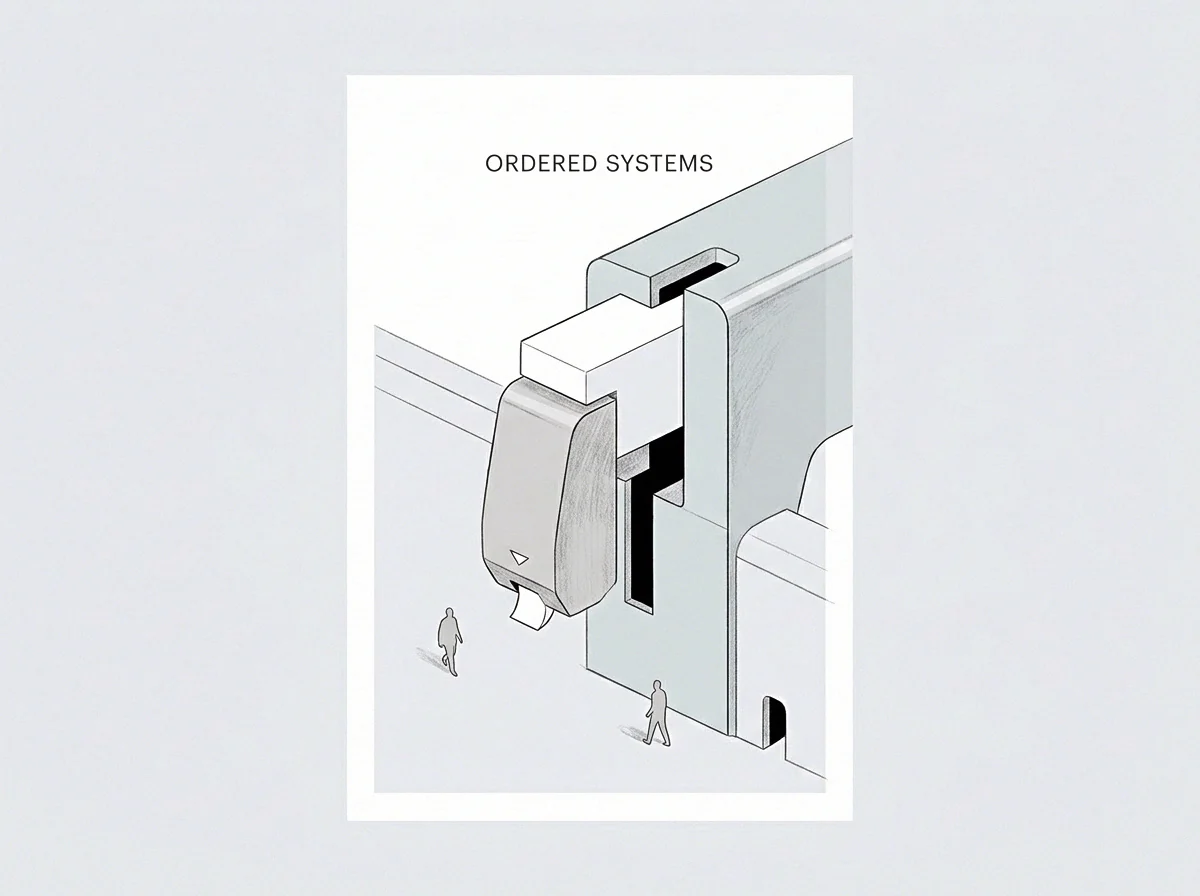
Operational boundary separation defines the intentional distance established between an individual investor director and the daily execution responsibilities of the management team. This board firewall prevents the dilution of authority when a former leader remains in a governing seat after the transition. The mechanism functions through explicit protocols that restrict communication channels and information access to prevent informal interference in professional decisions.
By creating this clear divide, the setup preserves the autonomy of the chief executive while keeping the director focused exclusively on high level oversight and fiduciary duties.
Governance Duty
Regular maintenance of these protocols protects the independence of internal corporate strategy. A director must observe these limits to ensure that current employees maintain clear reporting lines without the shadow of prior leadership influence. Misalignment occurs when an observer bypasses these constraints to provide instructions directly to staff members.
Total adherence to these constraints ensures that the division between oversight and operation remains fixed regardless of prior institutional tenure.
Institutional Cost
Maintaining this separation consumes significant mental capacity and time for the director who must consciously choose to withhold expertise that formerly resided within their own scope of action. A director faces a loss of influence over granular outcomes which previously required their direct intervention. Professional restraint requires the constant redirection of energy away from tactical problem solving and toward the assessment of broad organizational health.
Operational Penalty
Unintended overlap occurs when the lack of such a barrier causes friction between the governing body and the executive team. Ambiguity in these boundaries triggers confusion among employees who receive conflicting directives from different levels of the hierarchy. Resource drain increases when the organization must reconcile competing claims on its internal processes.
Clear structural detachment provides the only reliable defense against the erosion of management power during the period following a leadership handover.