
Structured Corporate Leadership Transitions and Operational Continuity Protocols
Operational continuity protocols isolate executive seats from personal operating habits by converting unwritten authority into stage-gated corporate procedures.

Seat
The desk sits cleared of paper while forty software permission requests queue unassigned in the identity console. The outgoing operator leaves three calendar invites for vendor reviews, but none list the escalation thresholds or pricing concessions negotiated over dinners four years prior. Incoming leadership inherits title, statutory signatory rights, and an operational vacuum where informal coordination once lived.
Corporate transitions stumble on this boundary between registered authority and unwritten operational control.
Executive succession disassembles how an organization operates. When an incumbent departs, routine production holds together only if the seat can be separated from the machinery underneath it. In standard enterprise structures, a chief executive or operating officer accumulates unwritten veto power across finance, engineering, and sales.
Subordinates bring messy trade-offs to that specific desk because years of precedent set the pattern. Once the chair is empty, it becomes clear how many daily approvals bypassed formal delegation charts.
A handover contract specifies legal standing while leaving the informal rhythm of daily production behind.
Replacing an executive without an operational separation audit drops performance metrics over the next two quarters. Ship dates slip. Procurement stalls while department heads wait for signatures that used to take five minutes of unrecorded conversation.
The incoming leader absorbs these interruptions directly, spending executive capacity on operational triage. That strain leaves no room to review broader strategic allocation during the first ninety days.

Informal Authority and Structural Vacancies
Formal org charts draw clean lines of accountability leading to the executive suite. Actual work depends on a parallel network of relationships, legacy concessions, and informal clearances. The person leaving an executive seat often held operational weight that never appeared in an employment agreement.
Experienced operators resolve boundary disputes using personal credit built over years. A successor steps in with statutory power but no relational capital.
Comprehensive operational notes left behind by departing officers typically document output targets rather than the procedures required to reach them. The calendar clears and direct reports update their reporting lines in HR software, but daily decisions keep filtering back to the former operator through backchannel text messages. Operational continuity breaks down when administrative succession completes while functional authority stays tied to an individual.
Though the outgoing officer agreed to step aside completely, the management committee still waits for their private telephone approval before signing off on major capital expenditures.
Residue
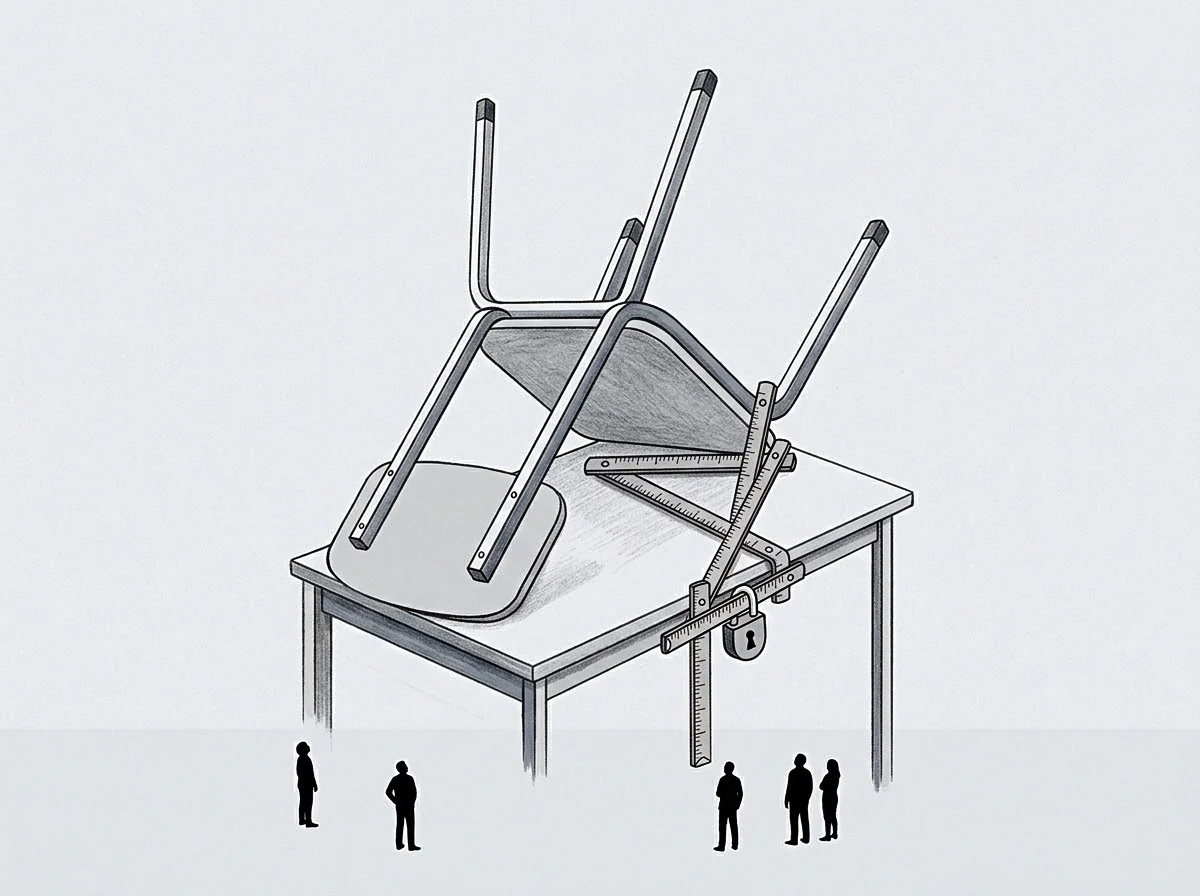
Documentation runs into a hard physical wall during handovers. Technical systems, vendor agreements, and financial covenants are easy to write down. The discretionary judgment needed to read ambiguous customer signals or navigate friction between divisions resists capture.
This unwritten remainder forms the operational residue of an executive departure.
Explicit knowledge moves between people with little loss of detail as long as systems stay stable. Manuals, runbooks, and enterprise software settings let incoming executives run standard routines. Tacit knowledge works differently.
It exists as compressed shortcuts built through experience, direct exposure, and past near-misses. Dictating those shortcuts into a handover manual captures only the outline of how decisions are made.
| Operational Domain | Codified Protocol | Tacit Residue | Continuity Risk |
|---|---|---|---|
| Capital Allocation | Treasury policies, investment hurdle rates, formal delegation thresholds | Tolerance for cash drawdowns during seasonal inventory spikes | Liquidity freezes caused by defensive operational delays |
| Vendor Governance | Master service agreements, service level terms, standard rate cards | Knowledge of which suppliers accept delayed settlements without penalty | Unnecessary supply line ruptures during contract disputes |
| Executive Escalations | Ticketing tiers, executive dispute escalation matrices | Awareness of which departmental rivalries generate false alarms | Paralysis of senior leadership through trivial conflict volume |
| Talent Retention | Stock option vesting schedules, compensation bands, annual review logs | Informal equity promises and unspoken promotion expectations | Sudden resignations of core technical contributors |
Protecting operational performance requires mapping this residue before the incumbent leaves. Handover checklists tracking asset returns and revoked logins miss this risk entirely. Effective continuity protocols run parallel decision cycles where the departing leader explains the logic behind each intervention.
Without that step, critical trade-offs get settled by trial and error once the seat is empty.
Unwritten precedent evaporates the moment the departing operator leaves the physical premises.
Take an enterprise generating eighty million dollars in annual recurring revenue where an operating partner managed supply chain logistics for seven years. The board arranges an orderly handover across ninety days. The departing executive hands over vendor files, enterprise logins, and pricing sheets, leaving behind documentation that looks clean on paper.
Two weeks after departure, a tier-one component supplier holds weekly shipments over a missing advance shipping notification. The former operator had always resolved those delays with quick text messages to the supplier’s controlling shareholder outside formal procurement channels. The successor files formal breach notices.
The supply line shuts down for three weeks while lawyers exchange paperwork, costing the business two million dollars in idle factory overhead.
Leaving unwritten residue untracked forces the successor to rebuild institutional knowledge through costly operational failures.
Sequence
Leadership transitions fail when companies handle them as single events instead of phased operational handovers. A calendar date cannot transfer actual control. Stable handovers rely on distinct operational functions passing to the successor based on clear performance milestones rather than fixed dates.
Transitions tied strictly to calendar schedules create operational instability. An incoming executive handed full command within thirty days often alters internal processes without recognizing the safeguards built into them. Retaining an incumbent in an advisory role beyond ninety days creates competing authority, leading managers to bypass the successor for familiar decisions from their former boss.
Leadership transfers move through four distinct phases:
- Shadowing Protocol pairs the incoming officer with the incumbent during operational reviews without granting signature authority.
- Reverse Observation places the successor in the lead chair while the outgoing executive observes without intervening.
- Sole Operating Authority revokes the departing officer’s administrative access, routing all escalations to the successor.
- Emergency Consultation Reserve limits the former executive to scheduled weekly check-ins, ending operational involvement completely after forty-five days.
Transitions remain stable only when each phase ends cleanly. Moving from observation to active command requires concrete milestones: the successor must independently handle three consecutive departmental budget reviews, lead two major vendor re-negotiations, and close an end-of-quarter financial review without assistance. Progression pauses if those targets are missed, while stretching the timeline erodes successor authority across the team.
Staged operational transfers protect capital by converting unwritten authority into repeatable corporate procedures.
The sequence works only if the board cuts off administrative access at the midpoint. Once sole operating authority takes effect, the company revokes the departing executive’s email, enterprise software logins, and building access. That immediate cut forces staff to work through the successor.
Keeping informal channels open encourages teams to revert to old habits.
Transition agreements with a fixed separation date should automatically cancel remaining advisory retainers if the outgoing leader attends unscheduled internal meetings without explicit board approval.
Grip
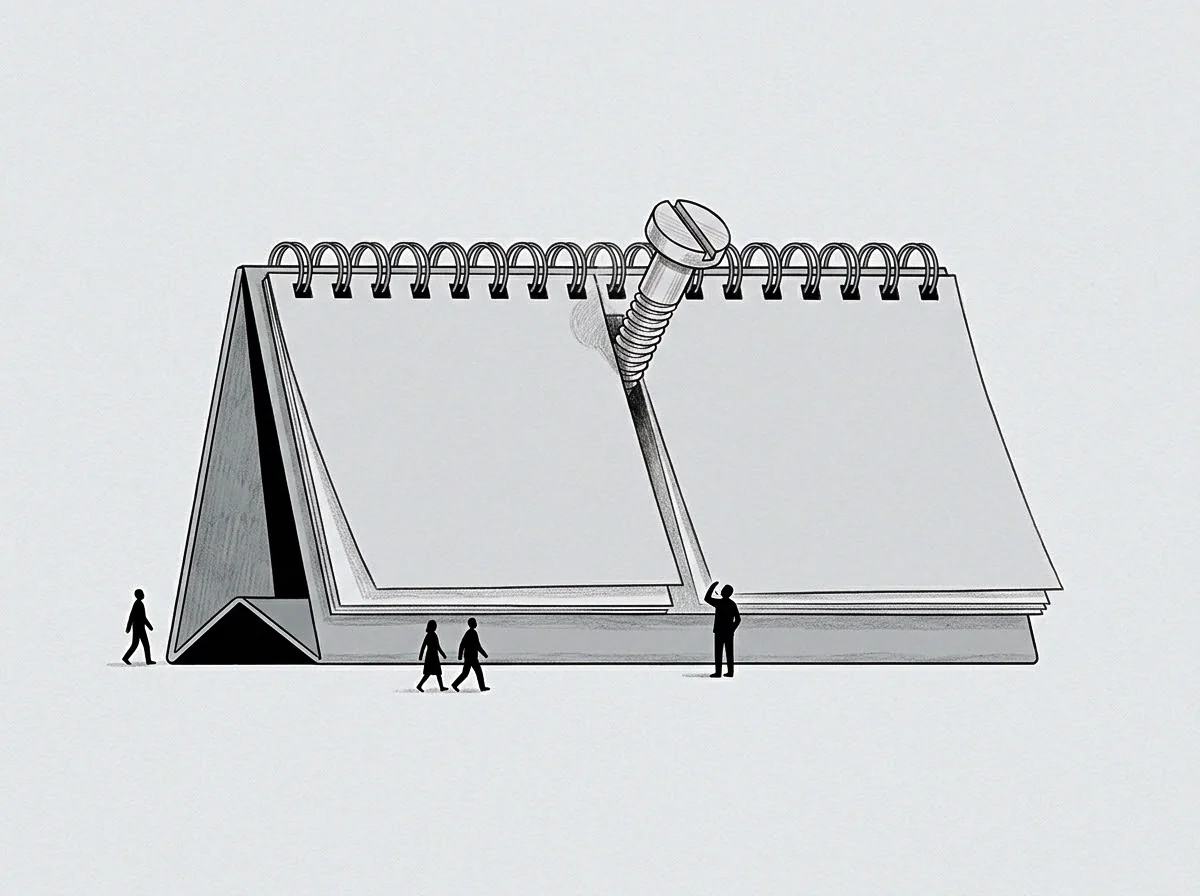
New leaders encounter operational friction during an initial grip stage. Legal authority has transferred and corporate records reflect the change, but the organization still resists direction from the new occupant. Staff test limits by slowing response times, citing how the previous leader did things, or pushing minor issues up to the board.
Teams resist structural shifts when the former leader’s influence remains embedded in daily routines. An incoming executive holds formal power but lacks operational standing. Continuity protocols must shield the successor from disruption during this window.
If direct reports spot a divided board or an active predecessor, departmental execution breaks apart into isolated groups.

Does Operational Authority Shift on Schedule?
Board minutes record appointments as instantaneous, but functional authority shifts slowly over months of quiet friction. Subordinates wait to see whether the new executive will protect current resource allocations or strip away existing team privileges. If an executive tries to execute broad operational overhauls in the first sixty days without securing operational continuity, teams respond with passive resistance.
Inventory numbers drift, customer support queues grow, and middle management blames every bottleneck on the transition.
Three standard mistakes derail succession during this period:
- Dual Reporting Traps occur when search committees allow outgoing leaders to keep board seats with oversight of their successors.
- Operational Backchanneling happens when department heads bypass the new executive to take operational complaints to former leaders or investors.
- Preemptive Restructuring occurs when a successor replaces experienced managers before understanding why specific operational workarounds were created.
Managing this stage requires clear governance boundaries. The board acts as an operational firewall, redirecting any employee inquiries sent to the former executive back to the successor without discussion. Outgoing leaders committed to protecting company value refuse to field informal complaints from former staff.
If this boundary collapses, authority fractures across internal factions.
It remains uncertain whether an incoming leader can establish true operational authority without dismantling the systems built by their predecessor.

Shelf
Continuity protocols depend on a shared, accessible operational repository. System documentation, delegations of authority, emergency playbooks, and succession plans cannot sit on an executive’s personal laptop. They belong on the corporate shelf where governance committees, independent directors, and future teams can reach them.
An asset that collapses without its primary architect fails an elementary test of continuity.
Keeping playbooks current requires ongoing administrative discipline; without regular updates, documented workflows become obsolete within six months. Governance committees prevent this decay through annual continuity drills that freeze executive credentials for seventy-two hours to verify whether daily operations continue uninterrupted.
Formal delegations of authority must be codified before disruption forces emergency action. When an executive leaves unexpectedly due to illness, resignation, or removal, an organization cannot waste two weeks working out interim controls. Spending limits, signatory thresholds, communication approvals, and capital spending rules should sit in dormant corporate resolutions that activate automatically when a seat empties.
Succession protocols left unexercised during normal operations fail predictably when a real crisis hits the executive team.