Meaning
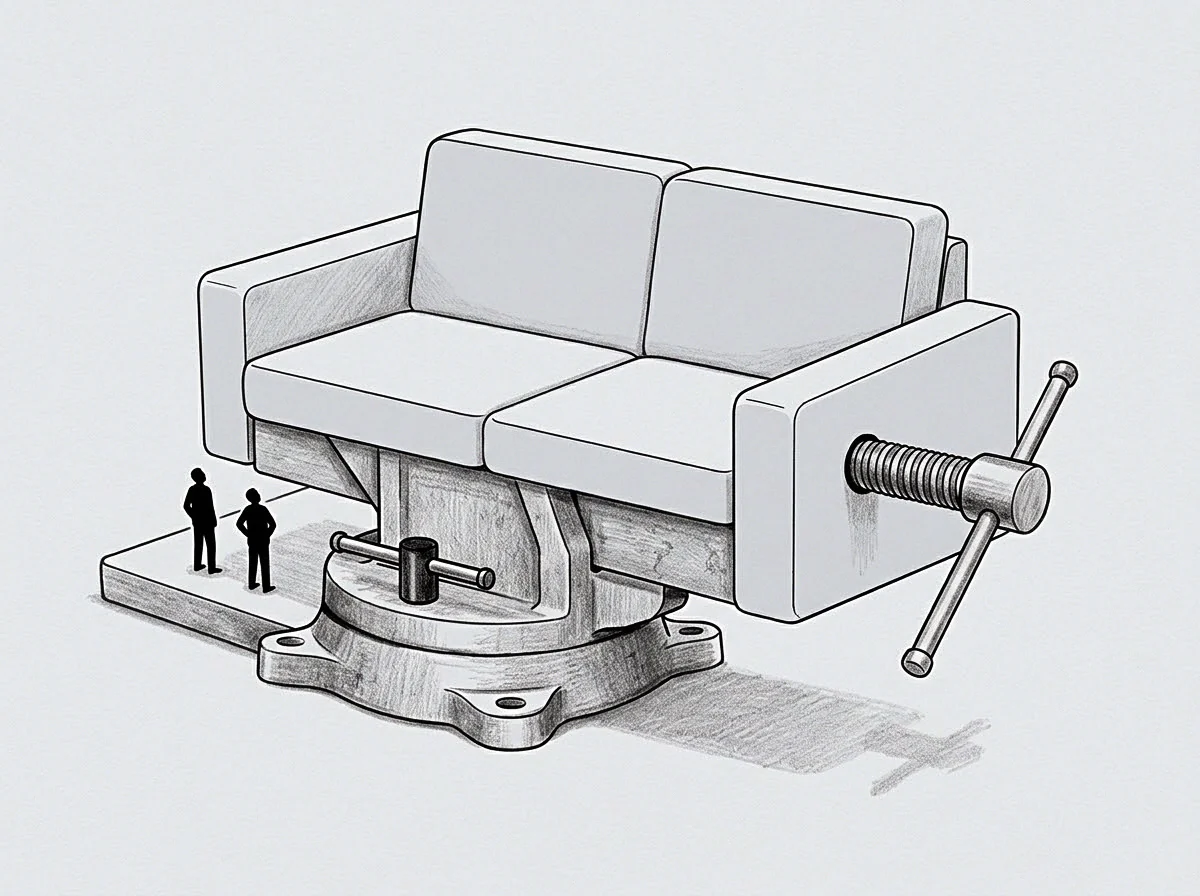
Board reintervention occurs when non-executive directors resume active oversight of operational decisions following a period of settled delegation to the founder or professional management. This phenomenon arises when performance data deviates from predefined covenants or when internal controls appear inadequate to address specific market stressors.
Executive Capacity
The founder faces a significant reduction in autonomy while the directors exert direct influence over day-to-day choices. Such oversight consumes substantial hours of the executive as time is redirected toward preparing evidence for board scrutiny instead of executing growth plans. Diminished control often leads to a recalibration of the relationship between the board and the executive team as decision rights undergo a formal shift back to the governing body.
Governance Cost
Internal resources suffer a drain as middle managers divert attention from their primary functions to support audit requirements requested by the board. These activities demand extra energy from leadership to maintain morale during the intense oversight period. Frequent reporting cycles often result in a bottleneck where rapid tactical moves stall while awaiting approval from the redirected board.
Trigger Condition
Thresholds for this activity commonly center on liquidity ratios and net burn rates. When these metrics breach the boundaries established in the founding charter, the board assumes its prerogative to stall current projects and dictate a new operational trajectory. This mechanism functions as a circuit breaker to protect shareholder capital against persistent deviations from the agreed fiscal path.