

Governance Mechanisms For Protecting Strategic Founder Capacity Against Tactical Operational Escalation
Formal delegation charters and board capacity floors prevent operational fire-fighting from consuming strategic founder hours.
Formal delegation charters and board capacity floors prevent operational fire-fighting from consuming strategic founder hours.

Operational drift erodes strategic decision-making by steadily displacing executive governance hours with unmeasured frontline delivery firefighting.
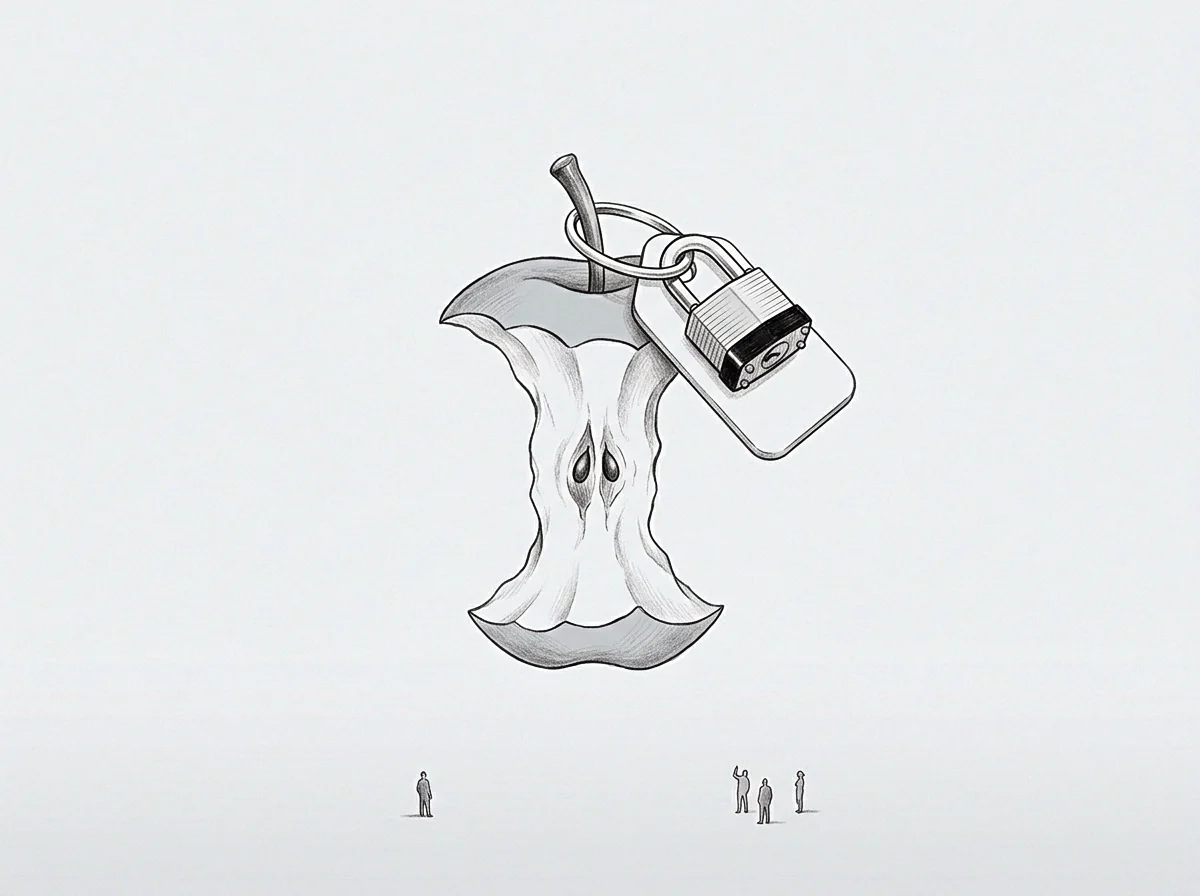
Uncodified decision logic loss occurs when sudden scaffold removal forces successors to govern edge cases by static rules rather than tacit trade-off heuristics.

Operational delay measures the temporal lag between a successor's decision and organizational execution caused by lingering predecessor authorization pathways.

Decision handover velocity measures the elapsed migration rate of discrete operational resolution rights from an outgoing executive to an incoming successor.

Replacing intuitive founder authority requires codifying tacit decision rules into explicit risk boundaries and distributed oversight councils.
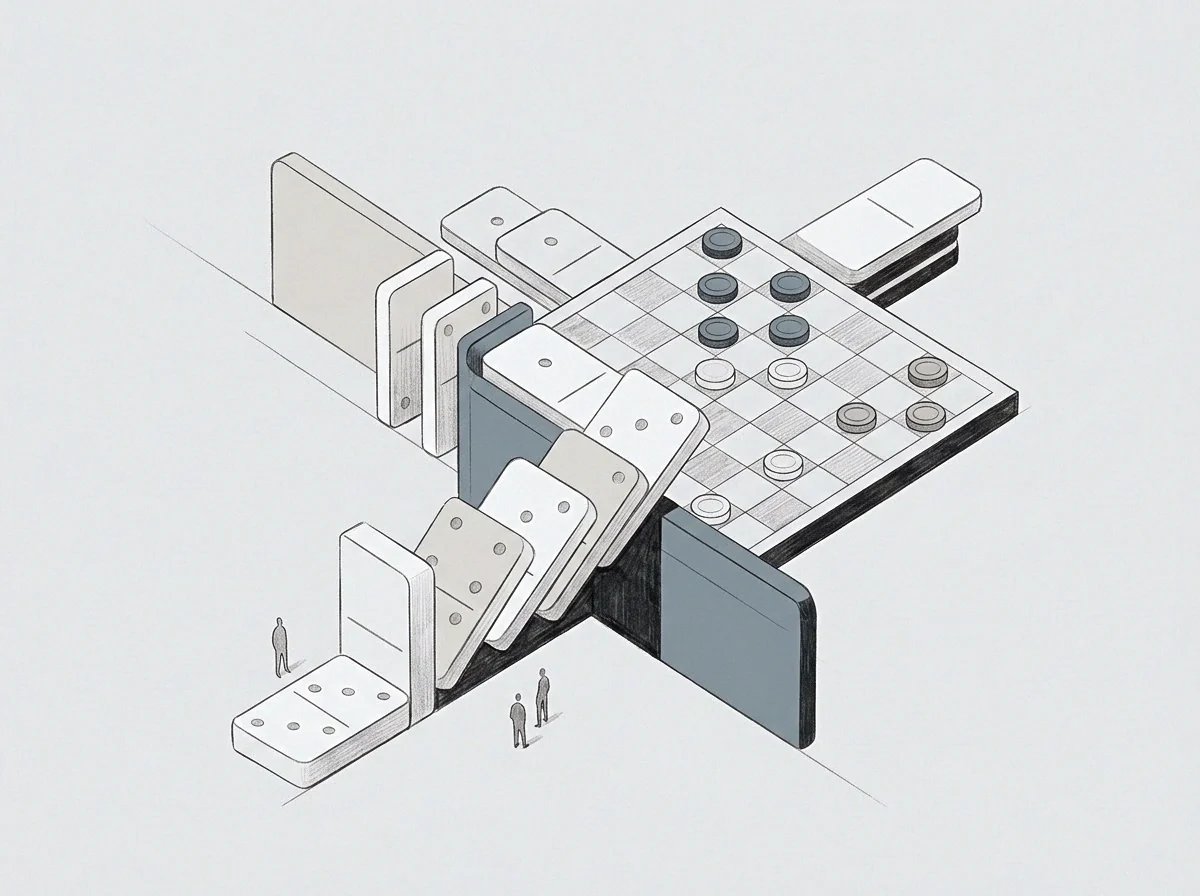
Executive operating autonomy drops when uncodified predecessor information loops force reliance on legacy shadow channels for routine decision approval.

Decision latency during executive handovers tracks the temporal expansion between operational triggers and authorized determinations across ownership transitions.
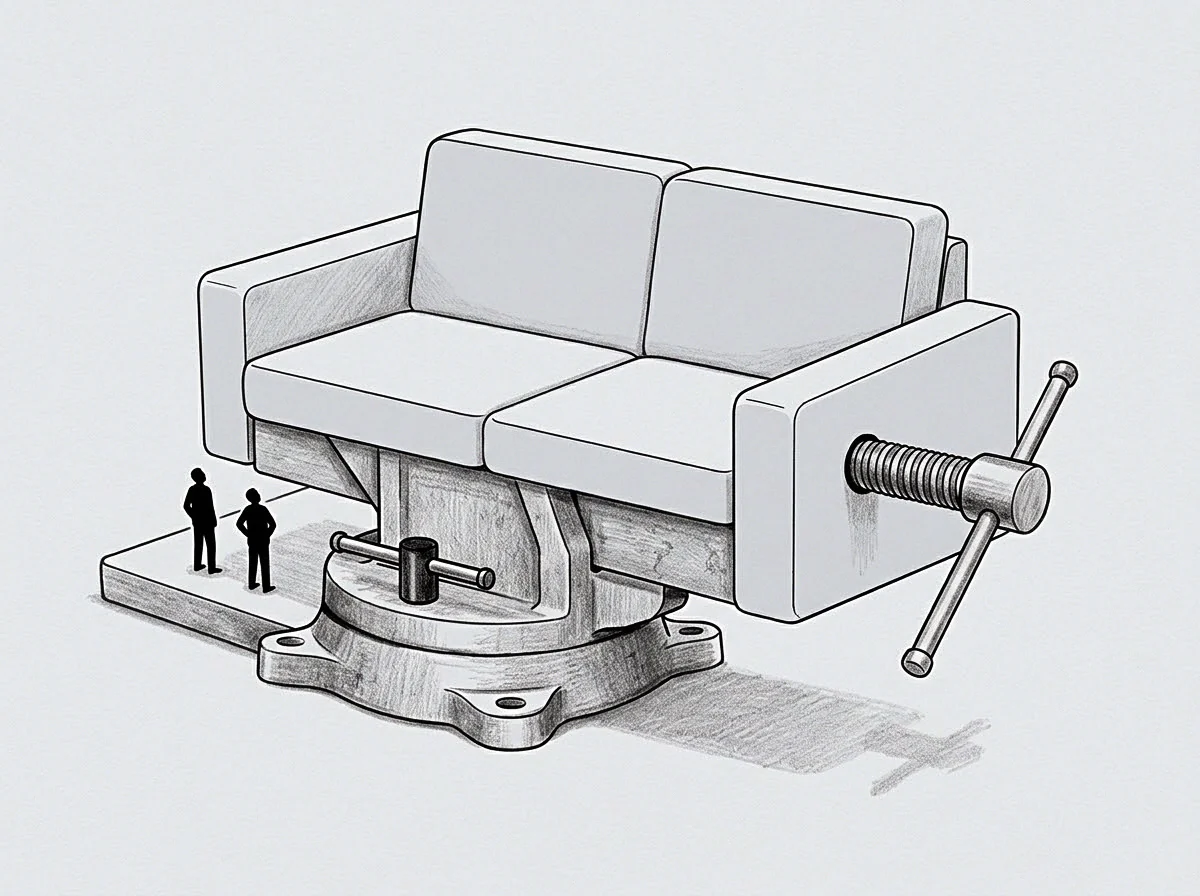
Successor authority survives market contraction through explicit emergency scopes, singular board communication, and contractual capital intervention triggers.
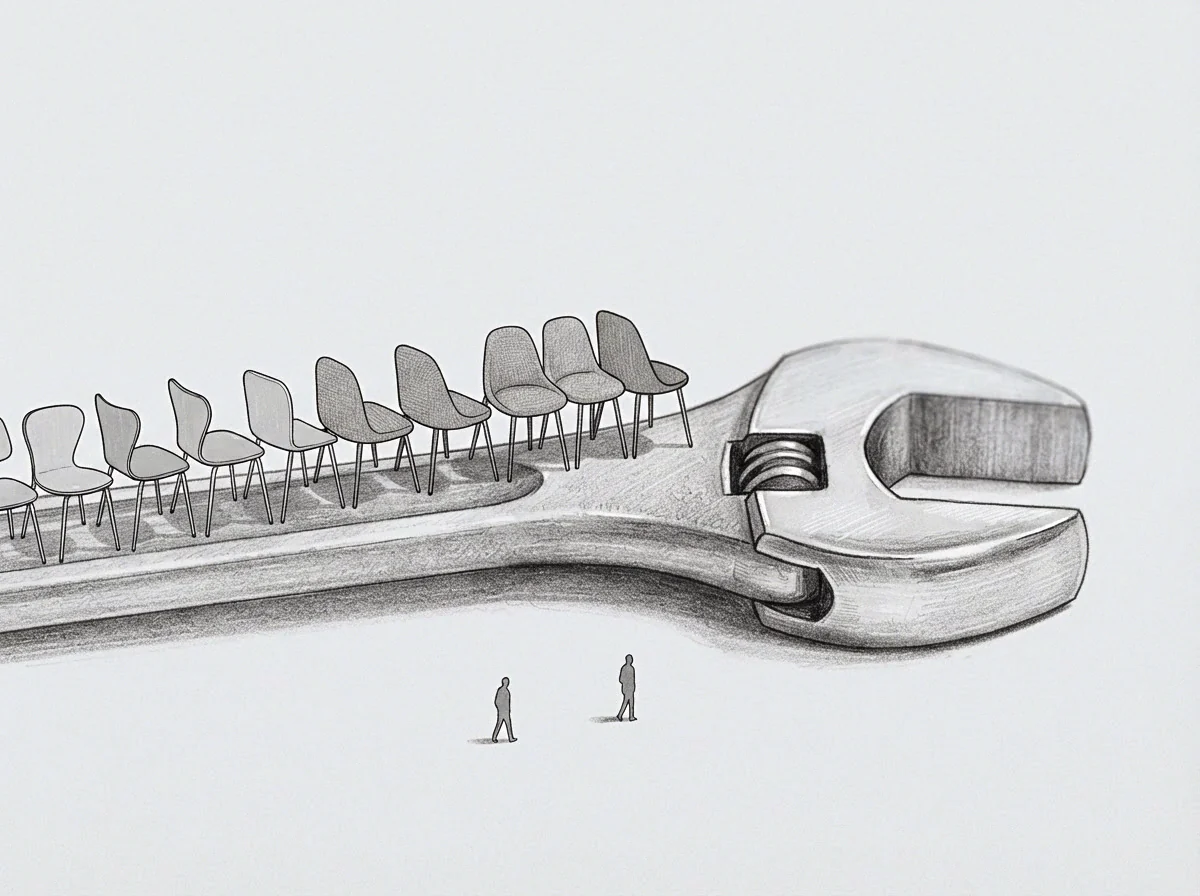
Owner operator handover transfers procedural execution through phased scaffolding, isolating tacit judgment from explicit rules to ensure enterprise continuity.

Executive departures stall when title transfer precedes tacit knowledge codification, requiring structured co-decision cycles to delegate authority safely.
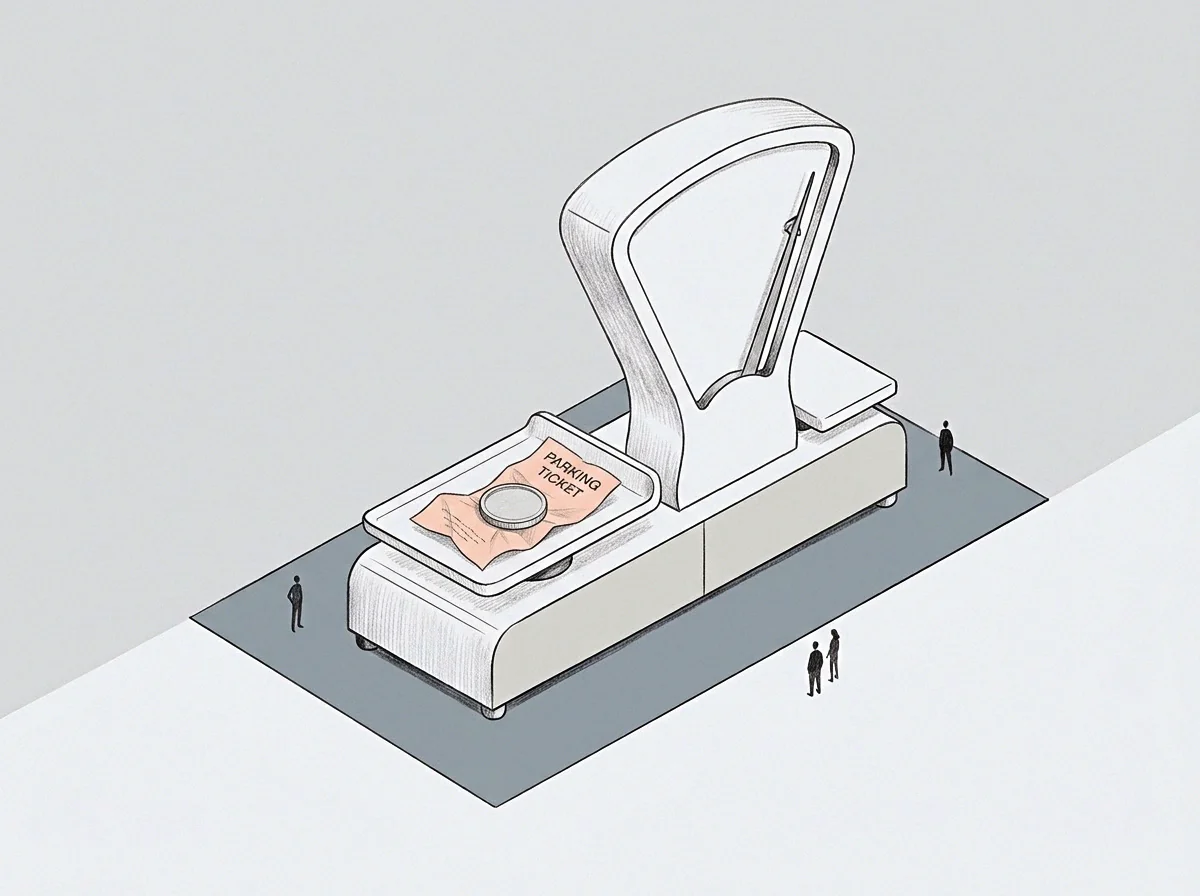
Executive decision handover latency measures operational delay between formal leadership succession and unratified decision execution by incoming executives.

Organizational performance decays post-founder exit when uncodified cognitive routines and implicit sensemaking models exhaust their operational momentum.

Mapping functional roles separates bundled executive duties into distinct operational seats, eliminating candidate profile traps and securing continuity.
The terms are written where they belong. Each field holds three desks, and every entry a desk writes raises the terms it uses, each term given a meaning, a mechanism and the places it appears. The record on these pages stays first person and hand made; the fields grow the nomenclature.