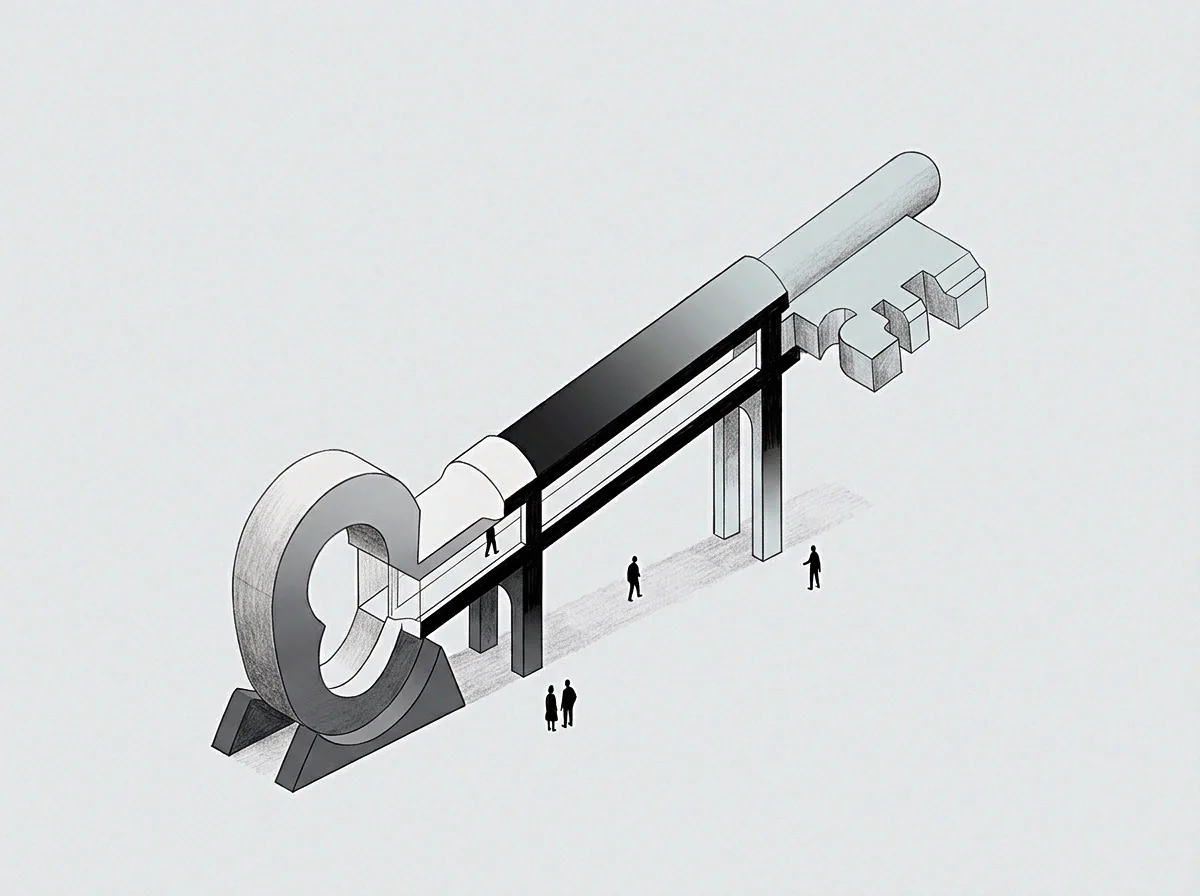
Meaning
Contractual protection clauses in acquisition agreements allocate financial liability for breaches back to selling owners. A buyer indemnity requires former founders to hold the purchaser harmless against undisclosed tax liabilities or legal claims discovered post-closing. This risk distribution mechanism ensures that financial consequences for historical misrepresentations remain with the selling parties.
The obligation binds sellers for specified survival periods, typically expiring after audit cycles or statutory limitation periods.
Shifted Exposure
Post-closing risk transfers force a former owner to maintain capital reserves long after operational departure. Under a buyer indemnity, personal wealth stays exposed to operational legacy errors, creating ongoing psychological load for retired founders. Former executives lose control over operational defense strategies when the acquirer manages third-party disputes.
Financial claims against representations can claw back purchase funds years after transaction completion.
Financial Recourse
Recovery mechanisms usually draw from escrow funds or allow offset against future deferred payouts. When a buyer indemnity claim occurs, funds held in escrow decrease before personal assets face direct execution. Set-off rights permit purchasers to deduct settled losses from ongoing earnout payments or promissory note installments.
Liability Ceiling
Spatial and monetary boundaries restrict claims to defined representations and temporal caps. Negotiated indemnity caps limit total seller exposure to a fixed percentage of transaction proceeds, except in cases of fraud or willful breach. Basket thresholds prevent minor operational discrepancies from triggering formal compensation claims.