

Mapping Tacit Knowledge Into Transferable Seats Prior To Acquisition
Tacit knowledge extraction converts unwritten founder routines into explicit, assignable seats before acquisition, removing key-person valuation discounts.
Tacit knowledge extraction converts unwritten founder routines into explicit, assignable seats before acquisition, removing key-person valuation discounts.

Codifying operational workflows before equity transfers converts individual tacit labor into transferable institutional assets and prevents valuation drag.

Technical directors protect corporate governance by surrendering infrastructure access, terminating private staff channels, and restricting reviews to formal audit packs.
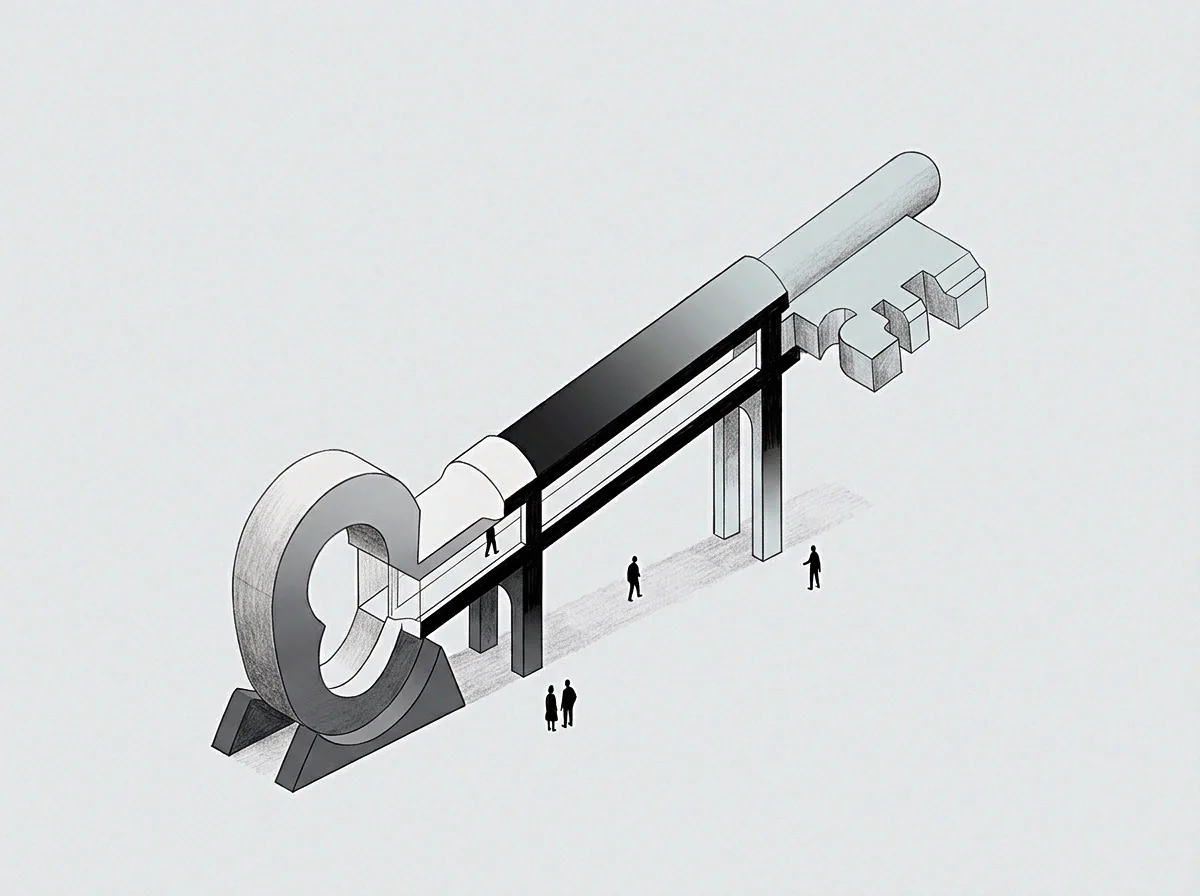
Partitioning technical leadership requires separating daily operational execution from long-term architectural governance through explicit written decision thresholds.

Decoupling technical founders from system execution requires decomposing seats, instituting automated pipeline guardrails, and delegating operational authority.

System execution drag is measured by tracking context recovery duration and pull request latency expansion following the departure of a primary architect.
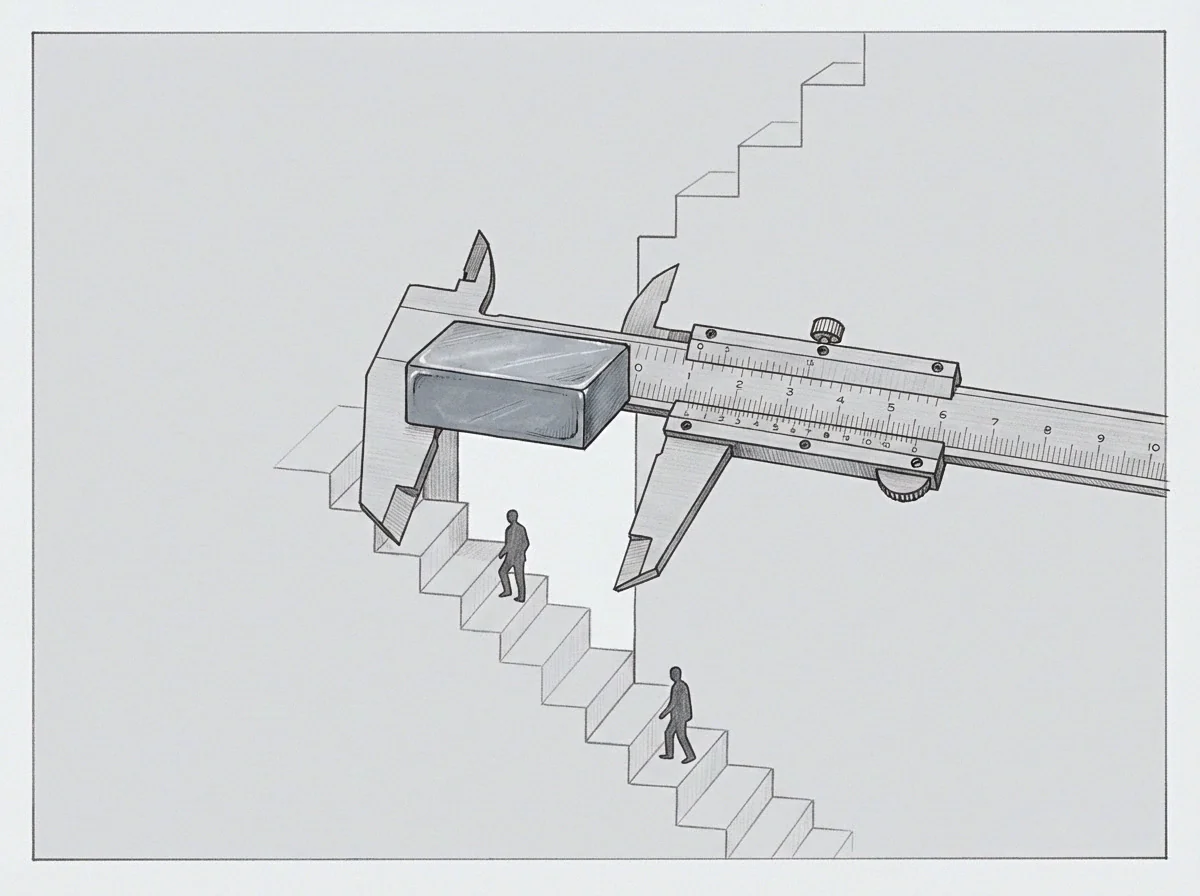
Engineering executive departure exposes implicit codebase control through concentrated pull request approvals and unwritten architectural dependencies.

Relinquishing repository write permissions requires shifting technical authority from direct code intervention to automated structural boundary enforcement.

Transitioning out of production software seats requires revoking personal deployment access, documenting tacit system schemas, and accepting team delivery methods.

Decoupling growth leadership from direct code contributions replaces personal commit throughput with scalable experiment platforms and autonomous engineering capacity.

Converting executive founder common shares into non-voting stock separates economic equity claims from corporate governance authority through tax-free charter recapitalizations.

Decoupling owner decision rights from operating seats isolates capital governance from daily management, protecting operational autonomy during executive transitions.

Converting tacit production into scaled operations requires codifying unpriced maintenance hours into bounded operational agreements with explicit service limits.

Execution hour allocation defines how founder capacity splits across operational seats to prevent uncompensated labor from eroding early equity value.

A founder using personal technical competence to fix software defects masks systemic resource gaps, distorting governance oversight until explicit resource terms are established.

Backlog volume exerts downward gravity on software executives, compressing technician, manager, and corporate seats into a short-horizon triage loop.
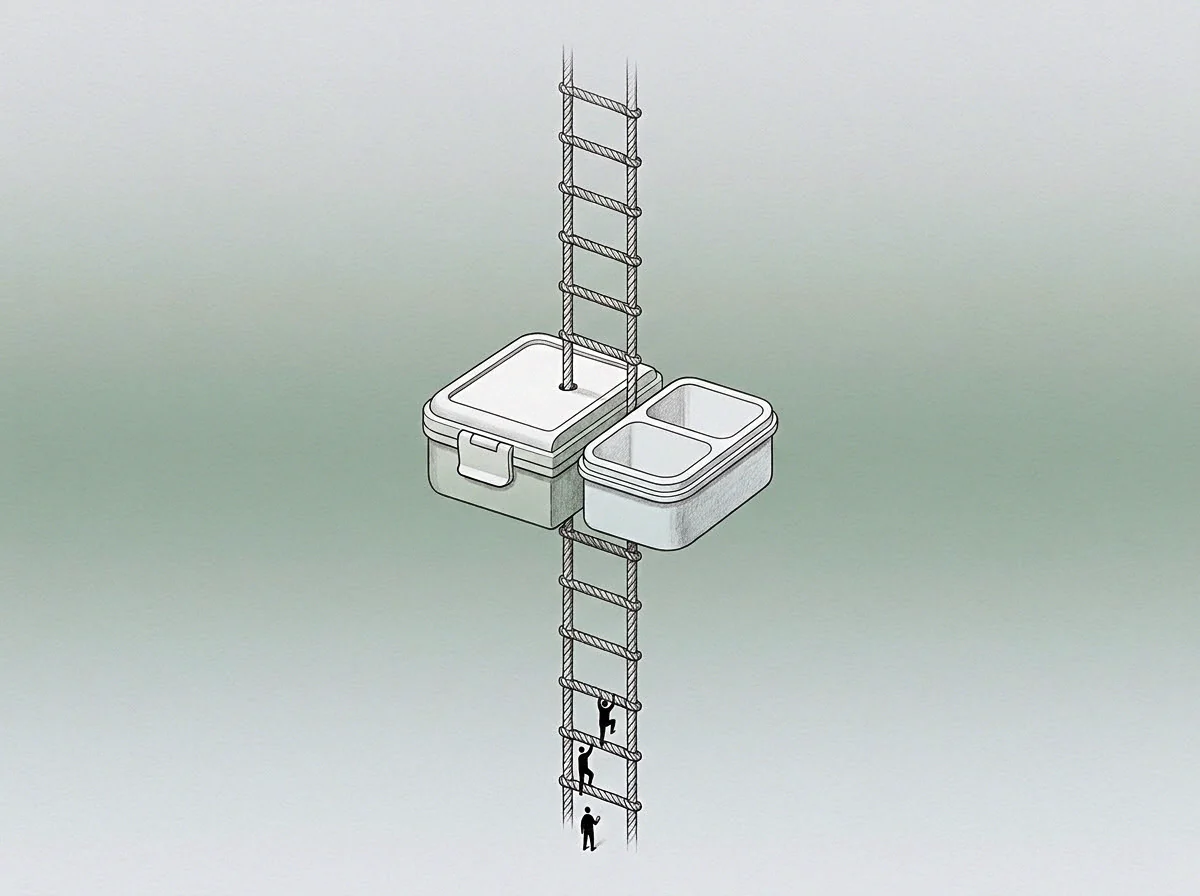
Leadership time allocation collapses when operators fail to audit time against discrete functional seats rather than total weekly hours worked.

Operational interference barriers measure signal attenuation thresholds that prevent system emergencies from consuming executive governance blocks.

Switching between daily operations management and board governance generates cognitive latency and structural bias that degrades long-term fiduciary oversight.

Tactical block protection stabilizes immediate operational delivery while dedicated strategic oversight windows isolate long term capital and governance decisions.
The terms are written where they belong. Each field holds three desks, and every entry a desk writes raises the terms it uses, each term given a meaning, a mechanism and the places it appears. The record on these pages stays first person and hand made; the fields grow the nomenclature.