Meaning
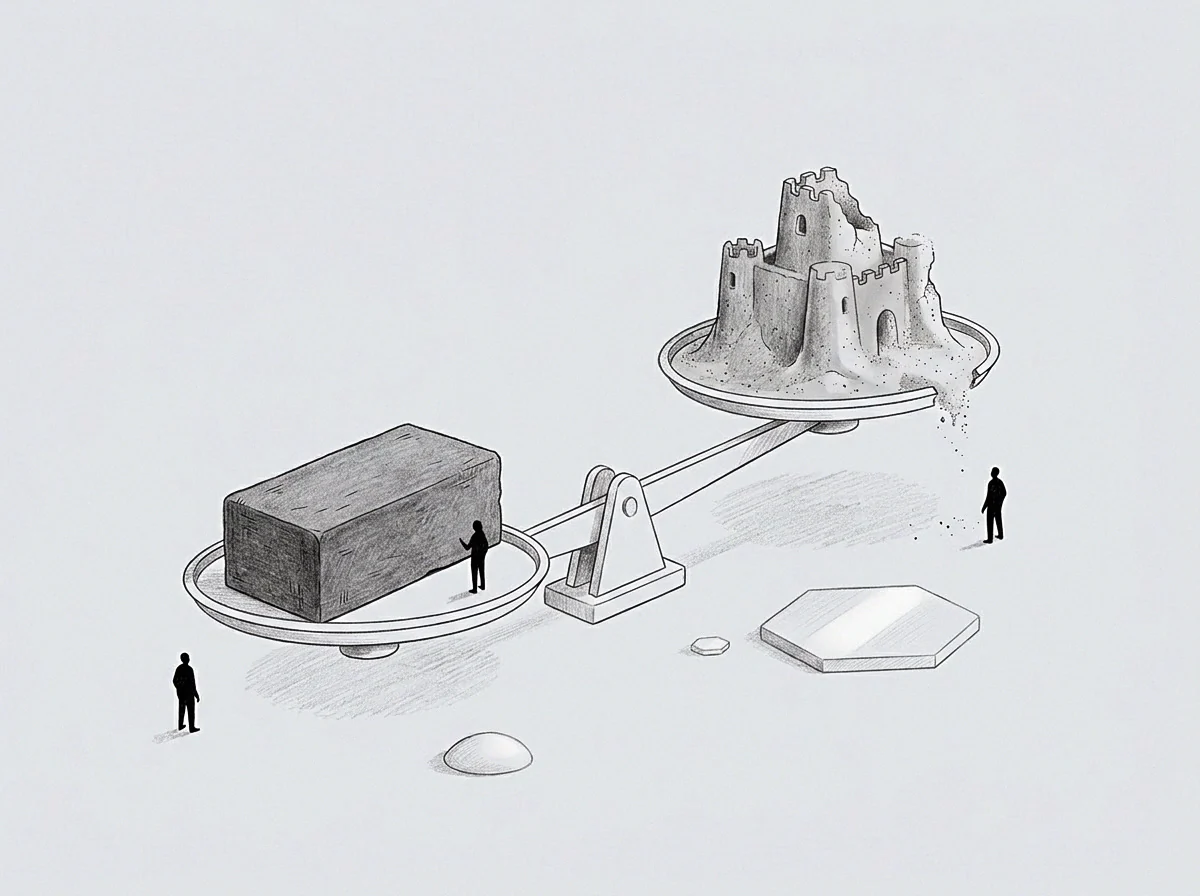
Obstructive behaviors represent a specific risk during the earnout period of a business acquisition. These actions constitute buyer interference when they prevent a former owner from meeting financial targets. Such actions often include redirecting resources or changing sales strategies during the performance window.
Performance drops. The concept ceases to apply once the measurement window closes or the contingent payment is settled.
Operational Conflict
Decisions regarding resource allocation often trigger disputes when the new owner prioritizes long term integration over short term revenue targets. Buyer interference frequently involves the removal of marketing support or the reassignment of staff members who were essential to the subsidiary. These choices generate friction for a founder who remains in an operational seat while losing autonomy over the budget.
The resulting tension often leads to a breakdown in communication between the two parties.
Performance Penalty
Obstruction costs the former owner measurable capacity through lost incentives and the mental energy required to contest management changes. Revenue targets become unattainable when the parent company forces a shift in product focus or limits the territory of the sales team. The resulting financial loss represents a direct reduction in the total effective sale price of the firm.
Legal Boundary
Legal reviewers generally look for proof that the buyer acted with the intent to avoid payment rather than making legitimate business improvements. Evidence of interference usually rests on a comparison between the pre-acquisition business plan and the post-acquisition reality.