
Calculating Governance Block Recovery Periods Following Sustained High Frequency Operational Interference Signals
Governance block recovery periods scale nonlinearly with operational interference signals, demanding scheduled quarantine buffers to clear cognitive residue.

Shock
An owner who manages customer escalations until midnight rarely enters a morning board meeting with full cognitive capacity. Tactical fires pull attention into immediate problem solving, leaving cognitive residue that lingers long after the immediate crisis resolves. When an operator shifts from managing technical disruptions to governing capital allocation, executive hiring, or equity structure, the brain does not instantly switch operating modes.
Attention residue degrades analysis. Strategic evaluations made while carrying operational residue lean toward risk aversion and immediate relief rather than long-term asset value.
The transition between execution and governance involves a measurable latency penalty. High-frequency operational disruptions generate an administrative tax that compound across a working week. Every emergency client message, server outage, or supply chain delay forces an abrupt context switch.
When these operational interference signals arrive continuously, the operator remains in a reactive state, suppressing the working memory needed for governance decisions.
The account balances close. Tactical noise persists. Calculating the exact time required to clear operational noise before attempting governance tasks protects the owner from making structural decisions under cognitive exhaustion.
Expecting immediate strategic clarity following hours of operational fires introduces severe vulnerabilities into board-level choices.
Cognitive residue from tactical interruptions decays at a rate inverse to the frequency of incoming signals.
Attempting to execute governance functions immediately after sustained operational firefighting forces strategic choices to be made through the narrow lens of immediate survival. Capital gets misallocated to quiet short-term noise, key executive role descriptions are compromised to fix immediate staffing gaps, and structural risk goes unexamined. The financial and structural cost of these impaired governance decisions routinely exceeds the value of the operational fires that triggered the context switch.

Slate
Clean cognitive working space requires explicit physical and temporal isolation from daily operations. The seat reserved for governance demands an entirely different set of operational metrics than the seat reserved for daily execution. When an owner-operator mixes tactical execution and governance oversight inside the same morning block, tactical tasks consistently consume governance priorities.
Operational urgency always overrides strategic importance in the absence of explicit boundary enforcement.

Operational Switching Overhead in Dual Governance Roles
Consider an owner-operator running fifty hours weekly, dividing time between technical client delivery and board-level governance. Assume technical delivery yields unpredictable disruptions every thirty minutes throughout the afternoon. In a baseline arrangement where governance tasks are interspersed directly between delivery tasks, context switching overhead consumes up to forty percent of total cognitive capacity.
Strategic tasks executed in this state suffer from abbreviated evaluation cycles and delayed risk detection.
| Interference Profile | Signal Frequency per Hour | Base Switching Latency | Governance Recovery Multiplier |
|---|---|---|---|
| Low Intensity Administrative Fires | 1 to 2 | 30 Minutes | 1.5x Base Latency |
| Medium Severity Client Escalations | 3 to 5 | 90 Minutes | 2.5x Base Latency |
| High Severity Production Outages | 6 or More | 240 Minutes | 4.0x Base Latency |
In an alternative arrangement where operational tasks are strictly contained within dedicated execution windows, protected by a mandatory four-hour buffer before governance blocks begin, decision accuracy improves. Attention decays slowly. The recovery period allows the executive brain to discharge tactical stress, process secondary implications of past choices, and reset analytical working memory.
Capacity drops immediately. The owner pays first. Governance blocks scheduled without an adequate recovery window function as rubber-stamp sessions that fail to exercise proper oversight.
Exceeding four tactical interruptions per governance block converts strategic oversight into passive reporting.
The external partner group expects strategic decisions to reflect objective long-term market positions rather than morning delivery fires.

Formula
Mathematical modeling of cognitive recovery periods demonstrates that recovery time scales nonlinearly with signal frequency. A single isolated interruption requires a modest recovery window, whereas continuous high-frequency interference generates an exponential compounding effect on recovery latency. Calculating this recovery requirement prevents the premature opening of governance blocks.

Interference Multipliers and Baseline Recovery Rates
To determine the exact governance block recovery duration, the operator evaluates three primary operational variables: base switching latency, signal frequency per hour, and the severity multiplier of the disruption. Base latency represents the minimal time needed to clear an isolated context switch under normal working conditions. Signal frequency measures the total number of incoming operational interruptions over a defined execution shift.
The severity multiplier accounts for the psychological and financial stakes of the incoming signals.
- Signal Disconnection demands complete termination of operational communication channels during the recovery window to allow cognitive resetting.
- Mandatory Idle Time reserves twenty percent of the calculated recovery block for unstructured analytical reflection before formal votes occur.
- Delegate Buffer reroutes operational escalations to an interim manager seat while the primary recovery sequence runs.
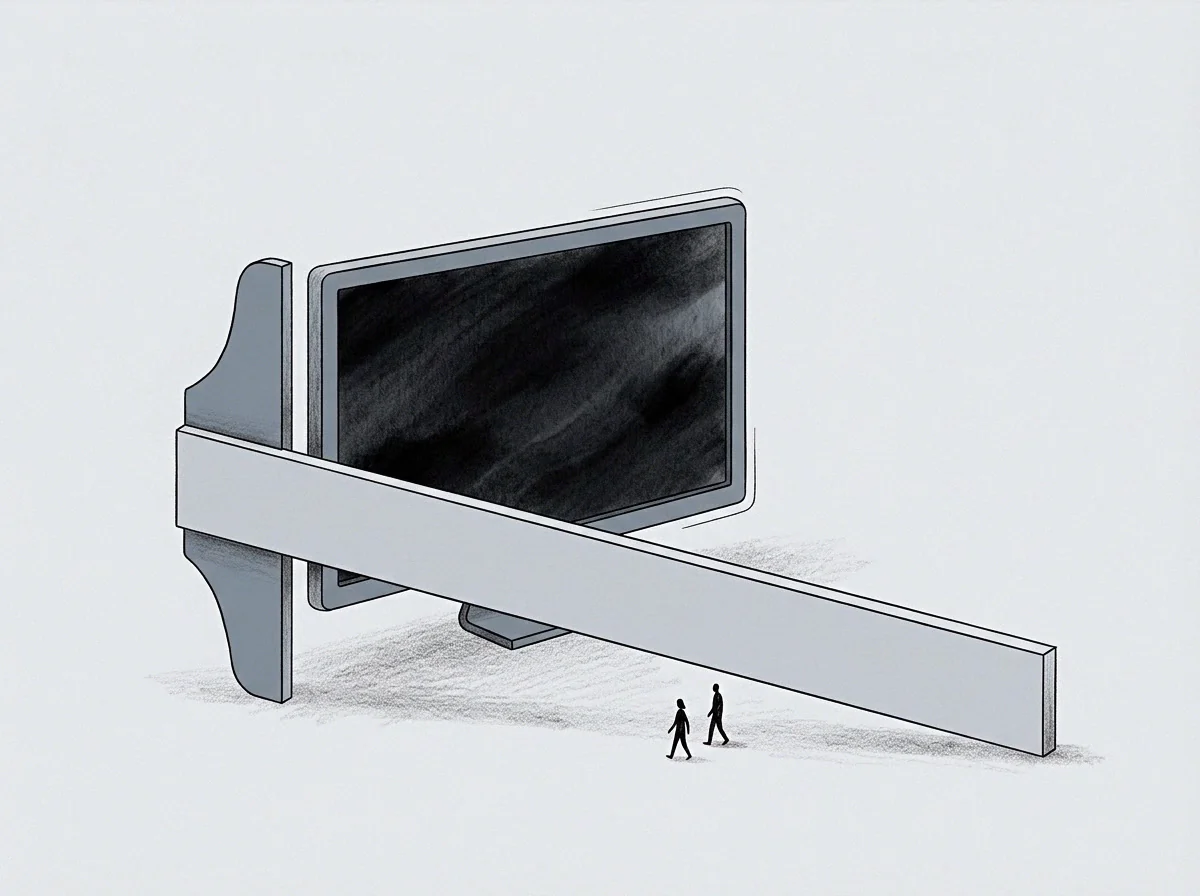
Friction reclaims the week. The baseline moves. Multiplying base switching latency by the product of signal frequency and severity establishes the total mandatory recovery period in hours.
Scheduling governance blocks prior to the full expiration of this computed period introduces predictable decision biases.
The operational floor reclaims every unallocated hour left open during a recovery window.
Incorporating a mandatory four-hour recovery clause into executive block scheduling alters board meeting validity metrics.
Anchor
Organizational behavior research establishes that role strain increases significantly when individuals rapidly alternate between execution mandates and oversight mandates. Role strain occurs when the expectations of one position directly conflict with the operational demands of another held simultaneously. In owner-managed enterprises, the technician role prioritizes fast issue resolution, while the founder seat demands deliberate resource conservation and structural design.

Do Recovery Multipliers Scale Nonlinearly Under Chronic Friction?
Empirical studies measuring physiological stress responses and executive cognitive performance indicate that allostatic load accumulates under chronic task switching. When operational signals recur at high frequencies over weeks, the executive baseline shifts into perpetual reactivity. The recovery period required to reach strategic clarity stretches from hours to days.
This body of research rests on standardized cognitive testing and cortisol sampling across multi-role managers in mid-sized commercial enterprises. The conclusions hold unless reliable testing in zero-latency environments demonstrates that cognitive control can remain entirely uncorrupted by persistent operational stress.
The seat stays empty. Strategic clarity takes time. When sustained operational signals disrupt governance blocks repeatedly, the individual in the seat loses the capacity to distinguish between high-leverage strategic opportunities and low-leverage operational tasks.
Interrupted governance blocks yield decisions that default to immediate operational relief.
Whether individual cognitive variance can permanently suppress recovery latency under perpetual operational signals remains unresolved in owner-operator settings.

Lag
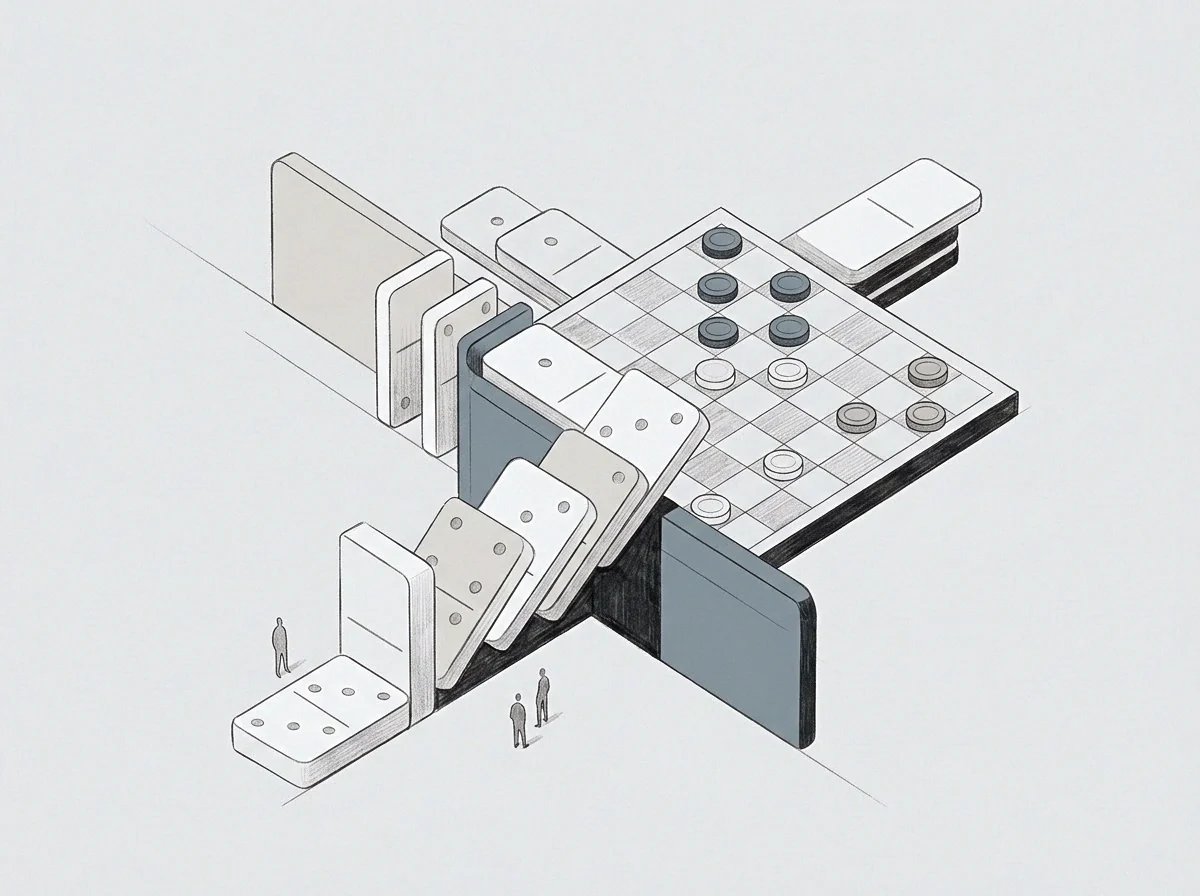
Restructuring an executive working week to accommodate realistic governance recovery periods requires shifting from reactive scheduling to strict structural containment. The primary move involves declaring fixed governance blocks on designated days and establishing non-negotiable operational quarantine periods leading up to those blocks. During operational quarantine, the owner steps back from direct escalation chains, transferring tactical authority to secondary operators.
Restructuring Schedules to Enforce Governance Latency
The quarantine sequence begins twenty-four hours before a formal governance block. The owner steps out of daily messaging channels, hands off real-time system monitoring, and ceases client delivery oversight. Interference leaves a toll.
The schedule breaks down. This quarantine block serves as the functional moat surrounding the governance seat.
The term alters capacity. Governance demands clear focus. During the quarantine window, working memory gradually releases operational details, permitting the deliberate synthesis required for capital allocation, contract renegotiation, and equity governance.
When the governance block opens, the individual operates exclusively from the founder seat, free from the operational noise that distorts judgment.
The operational seat expands into every unmeasured gap, making the formal calculation of recovery time the primary defense of governance capacity.