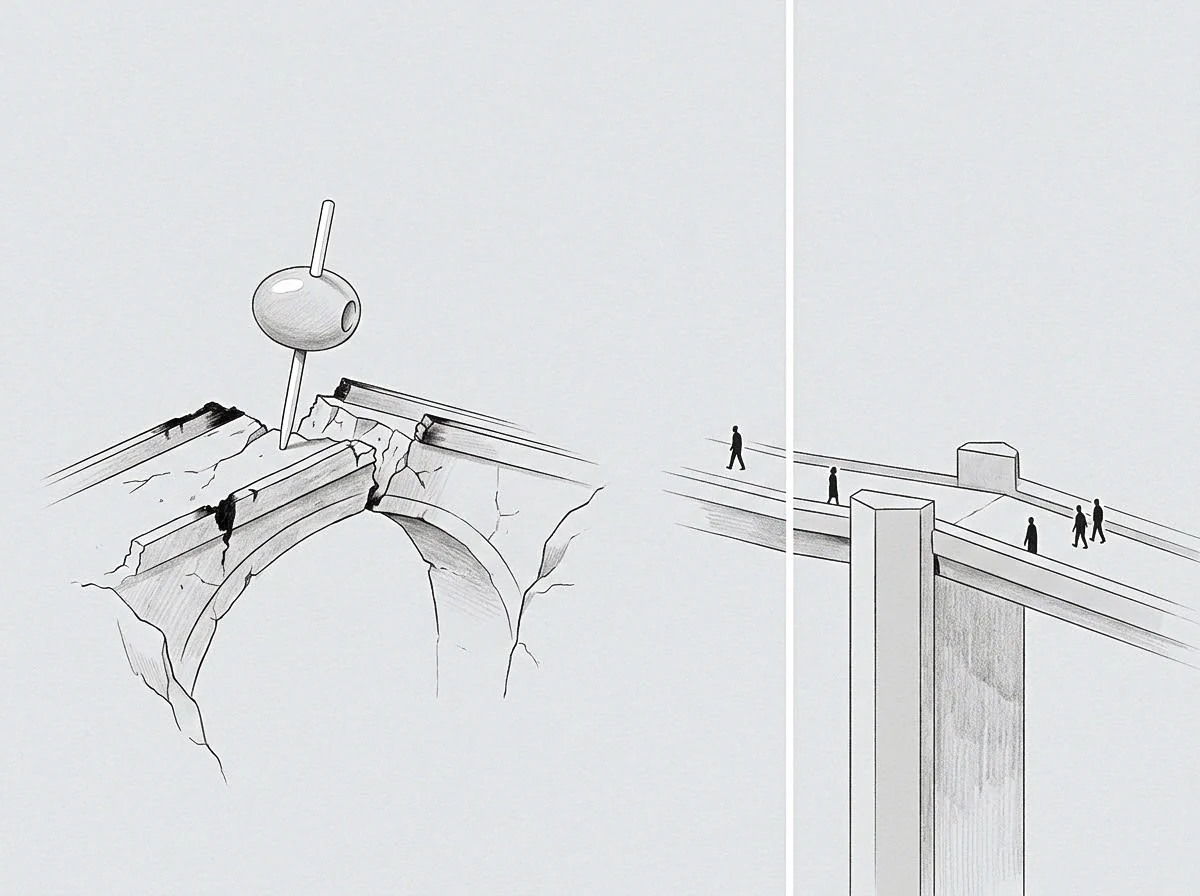
Meaning
Formal sets of rules govern the acquisition of an ownership interest by existing partners or the company. A buyout protocol establishes the sequence of offers and the methodology for valuation when a founder exits their seat. It prevents the deadlocks that arise when no mechanism exists to handle the separation of ownership from operation.
This process ensures a transition of control that protects the continuity of the business.
Valuation Method
Objective calculation of the share price is the primary component of the arrangement. This method often relies on a multiple of earnings or a formula based on book value. By fixing the price calculation in advance, the parties avoid the energy cost of a protracted negotiation during a departure.
Trigger Sequence
Activation of the procedure depends on events like resignation or retirement. The document specifies exactly how many days the remaining owners have to match an outside offer. If the company fails to exercise its right of first refusal, the rules outline how the departing member may sell to a third party.
Transition Capacity
Management of the handover requires measurable attention from the remaining team. A well-constructed protocol limits the hours spent on administrative disputes. This allows the remaining operators to focus on the stability of the enterprise rather than the terms of the departure.
The firm avoids the disruption of an unplanned leadership vacuum.