
Separating Personal Successor Goodwill From Enterprise Value In Legacy Owner Equity Buyout Appraisals
Appraisal models must carve out successor personal goodwill and normalize market replacement compensation to prevent buyers from paying for their own labor.

Wall
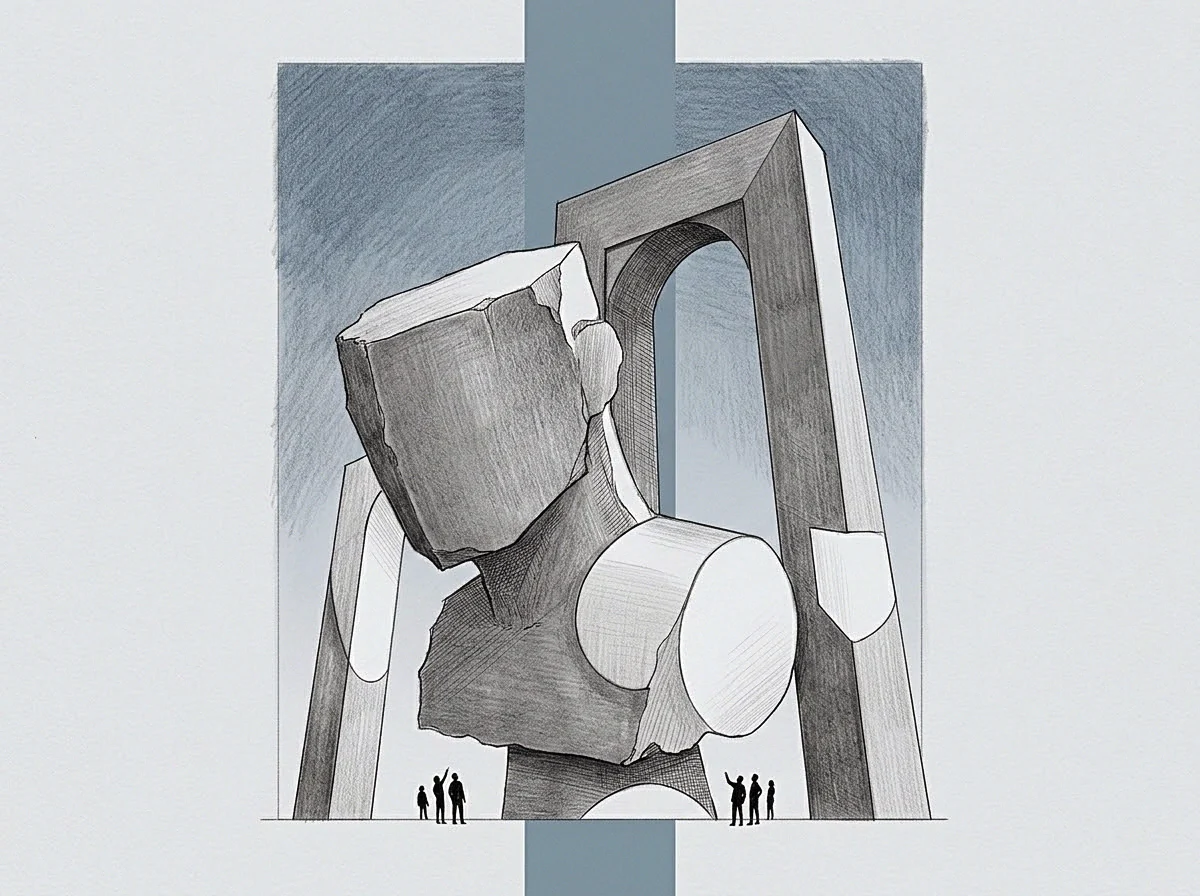
An appraisal for an internal equity buyout runs into friction as soon as the outgoing generation credits client retention to company infrastructure, while the successor attributes revenue stability to their own operational labor. Legacy owners see firm value as an established commercial asset with standing institutional momentum. The successor stepping into the founder seat sees that same cash flow as an uncompensated operational burden that collapses the moment active daily labor stops.
When an appraisal bundles these contributions into aggregate goodwill, the transaction stalls. The seller asks to be cashed out for institutional standing that cannot trade without ongoing labor, while the buyer has to finance an equity purchase price built on work they perform every morning.
The line between institutional value and individual capability turns on transferability. Enterprise goodwill encompasses the operational systems, proprietary databases, institutional contracts, repeatable workflow protocols, workforce assembly, and commercial reputation that survive a complete turnover of executive personnel. Personal goodwill resides entirely inside the specific skills, professional reputation, individualized client relationships, and discretionary effort of an individual operator.
In a legacy buyout, this division involves two distinct layers: the historical personal goodwill of the departing owner, which either transferred into corporate systems or decayed, and the emergent personal goodwill of the successor operator, who already drives the client retention supporting those historical earnings.
Personal goodwill remains bound to the individual whose daily labor generates customer adherence, absent an enforceable covenant preventing immediate competitive displacement.
Standard buyout appraisals evaluate historical enterprise earnings without identifying who holds the customer relationships on the appraisal date. If the successor operator has spent five years in the manager seat and the technician seat, client trust often transfers to that successor well before any formal transaction occurs. Capitalizing historical earnings into an enterprise purchase price forces the successor to buy back relationships they personally built and maintain.
Overlooking successor personal goodwill inflates enterprise capitalization, saddling the operating company with unserviceable debt service and triggering post-transaction failure.
Weight
Allocation of Goodwill Across Generational Buyouts
Disentangling successor contributions from legacy assets requires measuring how revenue depends on specific people. The core analytical problem is whether historical revenue belongs to the company or survives solely because a particular person sits at the desk. Professional service firms, specialized trade contractors, technical agencies, and engineering consultancies routinely show heavy goodwill concentration inside individual operators.
| Goodwill Component | Primary Asset Locus | Transfer Mechanism | Valuation Treatment |
|---|---|---|---|
| Enterprise Goodwill | Systems, workforce, brand equity, proprietary software, institutional contracts | Immediate transfer via standard equity purchase agreement | Included in enterprise equity value and capitalized into share price |
| Legacy Owner Personal Goodwill | Historical client loyalty, founding technical reputation, personal political networks | Decays rapidly post-handover; requires structured earnouts or transition consulting agreements | Excluded from enterprise equity; compensated through structured non-compete covenants or consulting payouts |
| Successor Personal Goodwill | Day-to-day client trust, contemporary operational techniques, team retention authority | Already captured by operating successor prior to transaction date | Carved out of taxable enterprise value to prevent successor paying for self-generated value |
Valuation analysts separate personal from enterprise value through multi-attribute utility models, with-and-without economic models, and direct replacement cost modeling. The with-and-without approach builds two separate cash flow forecasts. The first projects firm revenue assuming the successor stays under standard market employment terms.
The second projects cash flows under an immediate successor departure, factoring in customer defection, staff attrition, and replacement management costs. The difference in net present value between the two forecasts sets the economic boundary of successor personal goodwill.
A buyout valuation that ignores successor labor contributions capitalizes self-generated sweat equity into an unearned debt burden.
Multi-attribute allocation models evaluate operational characteristics across organizational tiers. Enterprise drivers include institutional marketing engines, formal supplier agreements, codified standard operating procedures, diverse multi-tiered client touchpoints, and strong non-solicitation protections across the general workforce. Personal drivers include name-dependent client relationships, uncodified technical expertise held in one mind, direct personal referral channels, and personal service delivery.
When the successor controls these personal attributes ahead of the appraisal date, that portion of earnings reflects personal goodwill attributable to the buyer rather than enterprise value owned by the seller.
The legacy perspective treats equity as accumulated historical investment, standing apart from current operational management.

Scale

Decomposing the Three Seats in Succession Economics
Analyzing an enterprise requires distinguishing the three roles an owner-operator occupies over a company lifespan. Conflating these roles distorts the valuation analysis.
- Technician Seat represents the direct billable production, technical execution, and client fulfillment labor, valued strictly at standard market replacement wages.
- Manager Seat governs staff coordination, resource scheduling, operational workflow enforcement, and project delivery systems, generating operational stability through repeatable execution.
- Founder Seat directs long-term capital allocation, commercial strategy, risk assumption, institutional relationship design, and equity governance structures.
In a mature business preparing for an internal buyout, the legacy owner often vacates the technician and manager seats, holding only the founder seat while continuing to draw owner distributions. The successor steps into both operational seats, absorbing sixty hours weekly of tactical and administrative execution. If the appraisal normalizes executive compensation below actual market replacement cost for those duties, normalized enterprise earnings appear artificially elevated.
Understated replacement compensation converts operational effort into apparent enterprise profitability. When a successor covers the work of both an executive manager and a senior producer, market replacement cost can reach two hundred thousand dollars annually. If the appraisal models successor pay at one hundred thousand dollars, the remaining one hundred thousand dollar surplus flows directly into earnings before interest, taxes, depreciation, and amortization.
Capitalized at a six multiple, that labor misallocation manufactures six hundred thousand dollars of artificial enterprise value. The successor ends up paying an equity premium created entirely by their own uncompensated overtime.

Does Successor Equity Inherit Personal Goodwill?
Successor equity participation alters how future cash flows are classified legally and economically. When a successor acquires minority equity before the final buyout, their personal goodwill mingles with enterprise balance sheet equity. Appraisers have to determine whether client retention stems from the corporate umbrella or the individual successor.
Without written employment agreements containing enforceable non-compete and non-solicitation restrictions, personal goodwill remains separate from enterprise assets under prevailing valuation case standards.
Enterprise value exists solely in the commercial earnings that persist after every historical and incoming owner walks out of the building.
Restrictive covenants alter this boundary. An equity buyout agreement that mandates a five-year non-compete covenant and comprehensive client non-solicitation agreement converts personal goodwill into enterprise value upon execution of the contract. The appraisal date remains determinative: before those covenants are executed and funded, personal goodwill belongs to the individual operator.

Draft

Worked Appraisal Adjustment in a Legacy Engineering Firm
Consider an appraisal of a civil engineering firm generating two million dollars in gross revenue and four hundred thousand dollars in unadjusted net operating cash flow. Ownership sits between a founder holding eighty percent equity and a successor engineer holding twenty percent equity. The founder has stepped back from direct project oversight over five years, maintaining ties with three legacy municipal accounts while the successor handles all fourteen commercial development clients.
A standard normalization analysis reveals operational dependencies across several line items:
- Normalized Successor Executive Compensation requires an upward adjustment from ninety thousand dollars to one hundred eighty thousand dollars to reflect market rates for a licensed principal engineer directing firm operations.
- Legacy Owner Consulting Normalization reduces legacy officer withdrawal from two hundred twenty thousand dollars down to a forty thousand dollar advisory stipend reflecting actual post-transition governance hours.
- Successor Client Relationship Carveout removes forty percent of commercial project pipeline revenue under a with-and-without departure scenario, isolating one hundred twenty thousand dollars of net annual earnings dependent entirely on the successor direct professional standing.
These adjustments divide the unadjusted four hundred thousand dollar operating cash flow into three streams. Base enterprise normalized cash flow settles at one hundred sixty thousand dollars. Legacy owner personal goodwill contributes forty thousand dollars of declining near-term earnings.
Successor personal goodwill accounts for two hundred thousand dollars of active operational earnings.
Capitalizing the unadjusted earnings at a twenty percent capitalization rate yields an enterprise value of two million dollars, obligating the twenty percent successor to fund a one-point-six million dollar buyout of the founder eighty percent block. Capitalizing only the true enterprise cash flow of one hundred sixty thousand dollars at that same twenty percent rate produces an enterprise value of eight hundred thousand dollars, setting the eighty percent buyout baseline at six hundred forty thousand dollars. The difference of nine hundred sixty thousand dollars represents successor personal goodwill and operational labor capitalized into the legacy price.
The transaction design resolves this disparity by structuring terms around specific asset classes. Enterprise value of eight hundred thousand dollars is funded through senior bank debt and equity redemption. The legacy owner personal goodwill of forty thousand dollars annual earnings is structured into a four-year diminishing consulting earnout tied strictly to municipal account retention.
Successor personal goodwill is excluded from the purchase price, preserved as operational capacity that supports post-transaction debt coverage.
The central valuation dispute remains whether successor personal goodwill built during minority ownership belongs to the entity that funded the initial platform, or to the operator whose discretionary hours forged the customer bonds.
Line
Resolving goodwill allocation disputes requires documenting operational boundaries before signing buyout agreements. Buyout terms succeed when they clarify who maintains client relationships, who handles technical execution, and which corporate systems function independently. Leaving those roles undefined generates valuation friction that stalls generational wealth transfers.
Appraisers must apply empirical replacement cost adjustments to every working owner, separating operational labor from capital returns. When an incoming successor occupies both the manager and technician seats, that labor has to be expensed at full market wages in the cash flow forecast. Enterprise value reflects only what an outside investor would net after paying market compensation to replace every operational duty the buying successor performs.
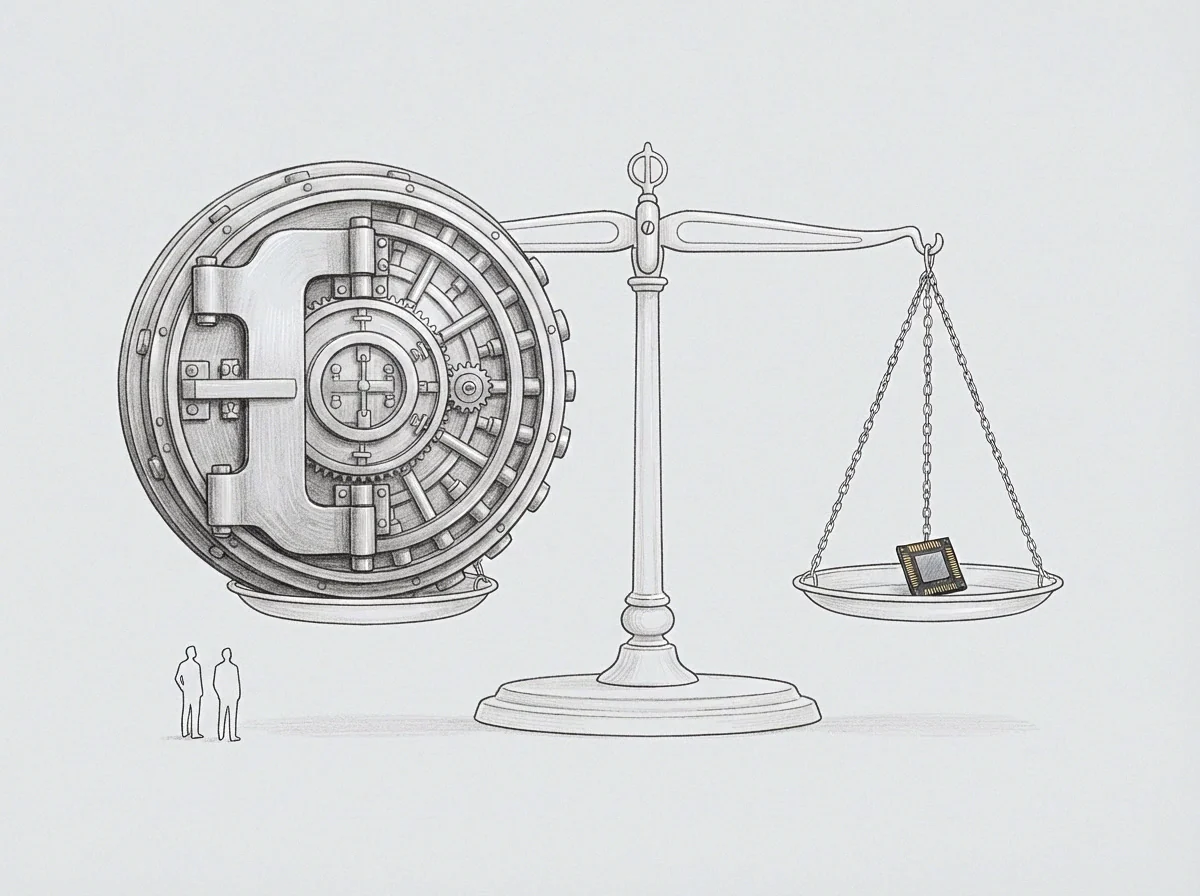
Transition structure governs long-term solvency. Carving out personal goodwill prevents the purchasing successor from funding value they generate themselves, while earnout agreements protect the legacy owner against abrupt relationship loss. The operating company preserves cash flow, debt service stays manageable, and the transfer of ownership stabilizes across generational boundaries.
Valuation follows the contract, and equity follows the work that remains when the founders depart.