Meaning
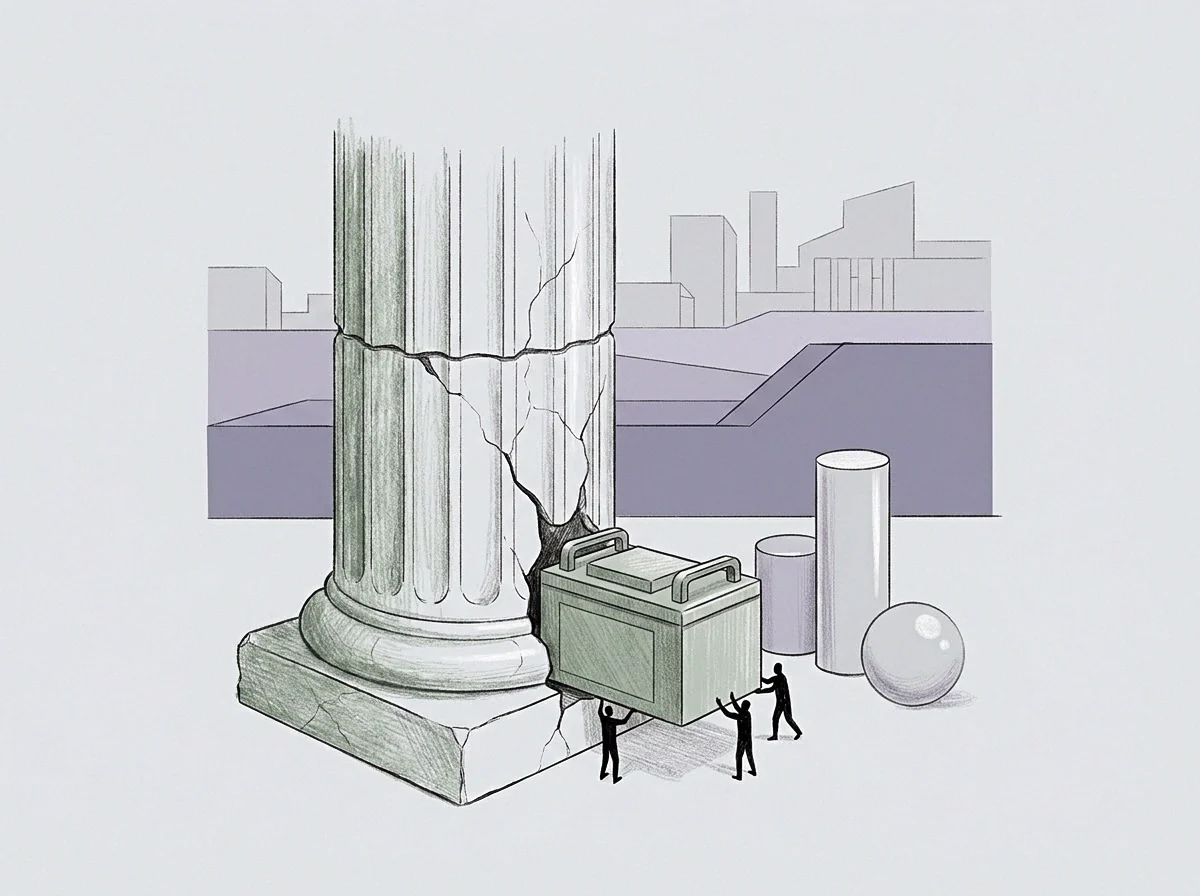
Equity consolidation occurs when departing founders surrender their shares to remaining stakeholders or the treasury. A cap table buyout removes the residual ownership claim of a non-operating individual, leaving remaining actors with proportional concentration. This mechanism resolves the friction of absentee equity by trading future enterprise value for immediate liquidity.
Transactions of this scale require precise valuation metrics to prevent founder disputes during the exit from active management.
Founder Valuation
Pricing the stake demands separating personal historical contribution from forward operating capacity. Departing owners frequently anchor their price on historical valuation peaks rather than current operational realities. Operating partners utilize discounted cash flow models and recent primary share prices to establish a baseline.
Adjustments follow for illiquidity discounts and the loss of institutional knowledge accompanying the departure.
Liquidity Friction
Funding the transaction drains corporate reserves or increases leverage on remaining operators. External debt financing introduces restrictive covenants that constrain operational flexibility during a transition. Internal financing through promissory notes defers the financial burden while tying future cash flows to past participation.
Payment schedules must balance corporate solvency against the departing founder demand for immediate closure.
Governance Realignment
Ownership concentration shifts voting power toward active operators and institutional investors. Minority protections require careful renegotiation once the departed founder block disappears from the registry. Board composition shifts concurrently to reflect new ownership ratios without executive interference from retired founders.
Post buyout equity structures determine long-term control dynamics and future exit terms.