Meaning
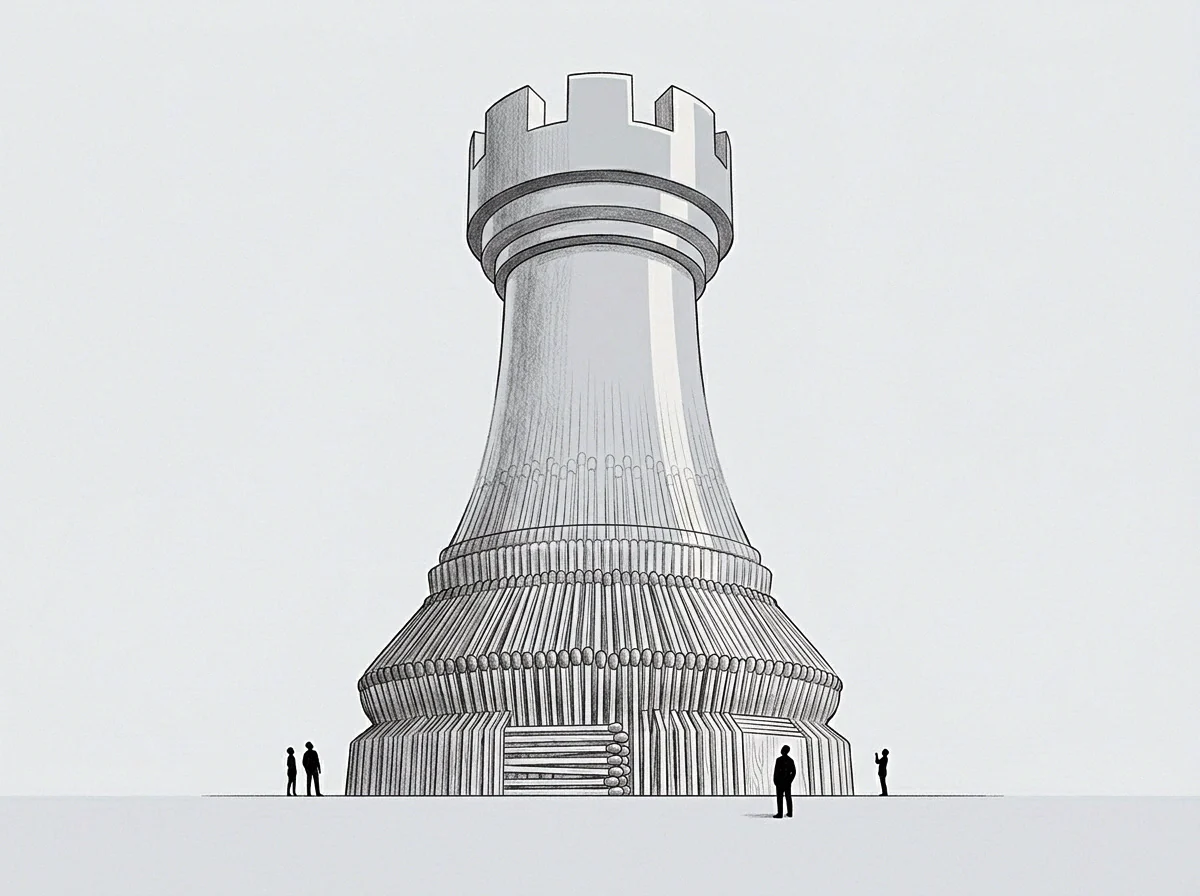
Financial organization in corporate finance arranges different tranches of debt and equity to show the order of payment and risk. This structure, known as the capital stack, determines which investors are paid first during operations or in a liquidation event. The framework applies specifically to balance sheet entities that combine multiple sources of funding.
Risk Allocation
Debt instruments sit at the bottom of the structure and carry the lowest risk and lowest return, while common equity sits at the top. An operator must understand how the capital stack distributes risk because it dictates the level of control each funding source holds over the company’s decisions. When cash flow decreases, the demands of senior lenders limit the operational flexibility of the management team.
Structural Priority
Priority of payment determines how incoming revenue is distributed among lenders, preferred shareholders, and common equity holders. Within the capital stack, each layer must be satisfied according to its contractual seniority before any funds can flow to the layers above. This rigid sequence means that in periods of tight cash flow, founders who hold common equity receive no distribution while servicing the interest of senior debt.
Funding Friction
Negotiations between different classes of investors can delay the acquisition of new funding because each party protects its position in the hierarchy. This friction consumes valuable founder hours.