Meaning
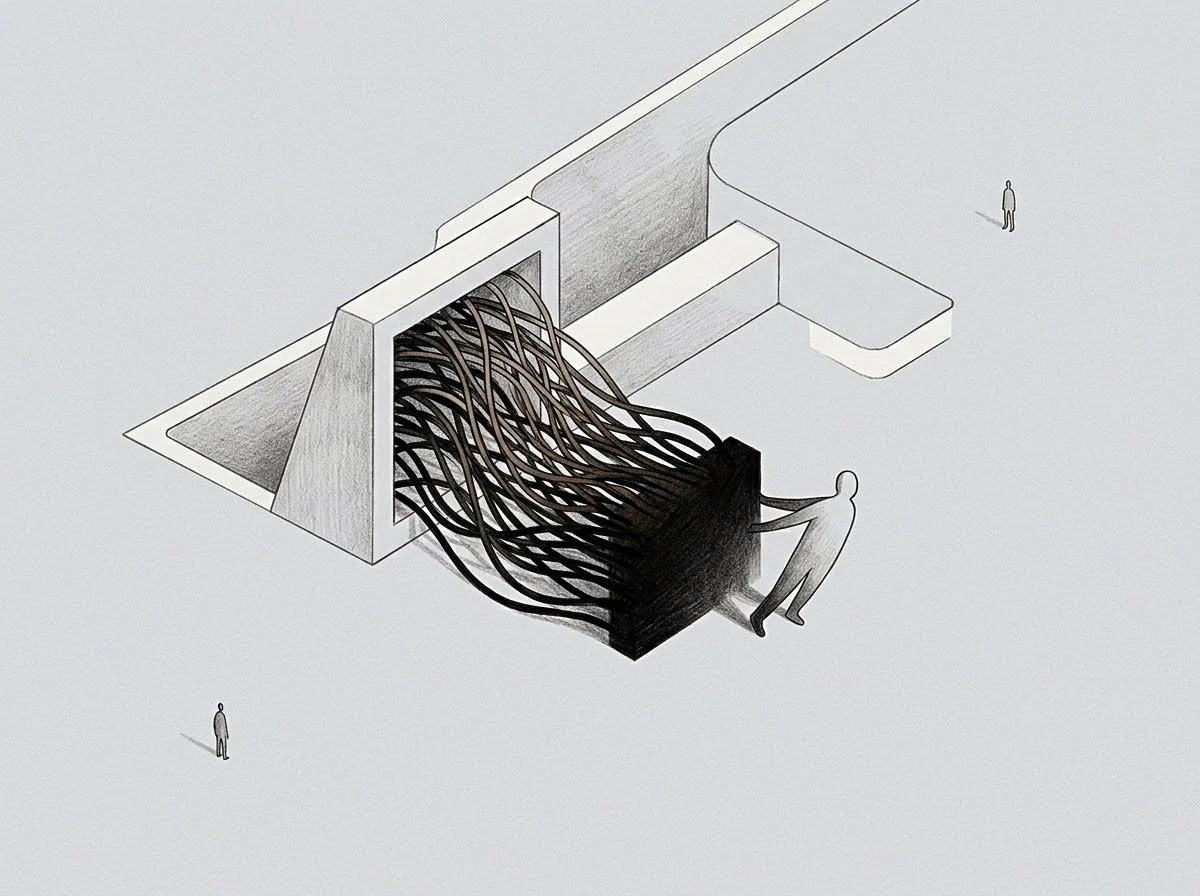
Routine activities constitute the functional work required to maintain the stability and output of an organization. The focus of daily management is the execution of established processes and the supervision of staff. This work stops being the primary role of a founder as the company scales and professional managers take over.
Operator Load
Operational capacity is consumed by the constant stream of small decisions and interpersonal resolutions. While a founder might enjoy the technical aspects or the people management, daily management requires a shift toward administrative oversight. The cost is measured in the hours lost to internal meetings and the mental fatigue of maintaining operational consistency.
Handover Barrier
Transitioning out of this seat is a common challenge for founders who are used to having their hands on every lever. If a founder continues to engage in daily management after hiring a chief operating officer, it creates confusion and undermines the new executive. The transition requires a formal handover of decision making rights and a shift in the founder focus toward long term strategy.
This shift is often difficult because it involves letting go of the habits that built the company.
Routine Output
Output remains the measure of success for whoever holds this seat. Effective managers ensure that the team meets its targets without the need for constant intervention from the board. A founder who moves away from these tasks gains the freedom to focus on external relationships and future growth.