
Financing Family Equity Buyouts When Operational Boundary Enforcement Fails During Management Succession
Financing a family equity buyout terminates operational meddling by eliminating the ownership title that enables informal authority to override management.
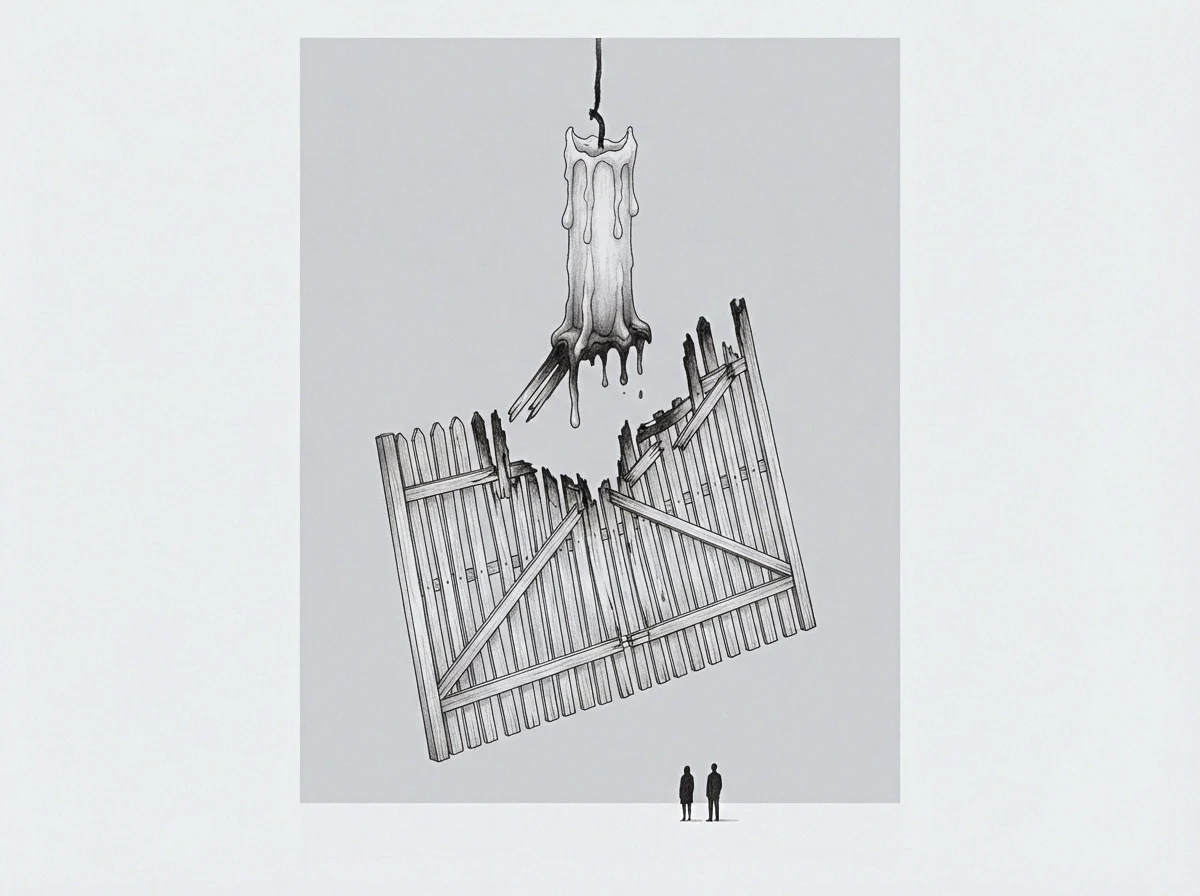
Boundary
A retiring founder signs over executive control to an appointed successor on a Monday, then answers internal vendor tickets from a private inbox on Wednesday morning. The operational line fails at the level of routine administrative reflex. Staff members who reported to the founder for two decades continue routing capital expenditure approvals, staffing arguments, and supply chain exceptions through informal family channels, circumventing the successor completely.
The designated executive holds legal operational authority without possessing functional operational control. When this division persists uncorrected, the internal chain of command experiences structural paralysis, team leads face competing directives, and cash reserves erode under duplicate management decisions.
The standard corporate governance solution relies on structural boundary enforcement: writing formal delegation charters, revoking senior administrative credentials, physically vacating the primary facility, and strictly channeling founder interventions through an independent board of directors. In an owner-managed business, these mechanical interventions often disintegrate. The informal authority of an equity holder who built the commercial premises, signed personal guarantees on operating credit, and maintains familial kinship with senior department managers cannot be legislated away through organizational flowcharts.
The failure of operational boundary enforcement demonstrates that managing the business and holding senior shares in the business are functionally inseparable in that operating environment.
A designated executive holds legal operational authority without possessing functional operational control when informal family lines override the formal chain of command.
Resolving this operational deadlock requires eliminating the underlying equity title rather than attempting further behavioral governance. Equity ownership provides the structural platform from which operational interference operates; removing that platform through a targeted redemption or buyout terminates the founder’s corporate standing to intervene. The operational succession problem converts directly into a balance sheet capitalization problem.
Buying out the exiting family member consolidates control inside the operating successor, yet executing that buyout introduces immediate commercial debt liabilities at the exact moment the company’s operating margin is destabilized by the leadership transfer.
When informal lines continually bypass the executive suite, formal mediation produces paperwork while daily management authority drains away.

Structure
Capitalizing a family equity buyout under conditions of operational friction requires separating ownership classes before committing cash. If the enterprise undertakes an immediate debt-funded distribution to retire the exiting founder’s shares, external lenders demand personal guarantees, historical operational continuity, and stable debt-service coverage ratios. A company experiencing internal command conflict regularly displays inconsistent inventory counts, delayed customer billings, and erratic gross margins.
Commercial banks routinely deny debt facilities under those conditions, or condition loan covenants on the ongoing operational participation of the exact founder whose removal the capital is intended to finance.
The capital architecture relies on staged asset-backed redemption facilities, seller-financed subordinated notes, and third-party structured equity partners. Each capital source carries specific claims on enterprise cash flow and imposes divergent conditions on executive decision rights.
| Instrument Class | Funding Velocity | Cost of Capital | Governance Interference Risk | Collateral Claim |
|---|---|---|---|---|
| Senior Secured Bank Debt | Slow (90 to 120 Days) | Base Rate plus 2.5 to 4.5 Percent | Low Post-Close, High Pre-Close | First Lien Operating Assets |
| Seller Subordinated Note | Immediate | Fixed 5.0 to 8.0 Percent Note | Severe Default Covenants | Subordinated Enterprise Value |
| Mezzanine Family Office Debt | Moderate (60 Days) | 12.0 to 16.0 Percent Blended | Observer Seats, Warrant Rights | Junior Enterprise Pledge |
| Non-Voting Preferred Equity | Moderate (45 to 60 Days) | 8.0 to 10.0 Percent Cumulative | Conversion Triggers on Default | Senior Equity Tier |
Senior secured debt provides the lowest cardinal interest rate, yet introduces severe covenant restrictions. When boundary enforcement fails, the successor risks tripping liquidity covenants within the initial two operating quarters. In contrast, seller-financed notes defer immediate cash requirements by turning the purchase price into an amortizing liability held directly by the exiting family member.
That debt mechanism introduces a distinct structural hazard: unless the note strictly disclaims administrative cure rights, missed payments or reporting technicalities give the departing founder statutory grounds to reclaim board seats, accelerate the debt, or petition for receivership.
Third-party structured capital, including non-voting preferred equity from industrial family offices, insulates the operating tier. The incoming investor provides clean cash proceeds to buy out the founder in a lump sum, permanently severing their legal title to the enterprise assets. In exchange, the investor secures senior distribution preferences that absorb operating surplus, leaving the managing successor zero room for operational waste during the succession grip stage.
Subordinated debt structures must contain complete waivers of operational acceleration remedies to prevent an unseated founder from using payment disputes to re-enter executive management.

Covenant
Financing documents executed to extinguish family equity require specialized defensive covenants that treat operational interference as an event of monetary default. Standard loan agreements define defaults around liquidity ratios, debt-service coverage, insurance maintenance, and asset sales. In a buyout catalyzed by the collapse of boundary enforcement, the primary risk to the debt instrument is the unmanaged physical and organizational presence of the seller within the daily enterprise.
The debt agreement, whether held by a third-party mezzanine fund or by the exiting family member through a redemption note, incorporates negative operational covenants governing the departing party. The financing facility ties interest rate adjustments, principal payment schedules, and enterprise buyout valuations directly to complete operational severance.
- Operational disengagement covenants explicitly bar the exiting shareholder from entering production facilities, contacting corporate vendors, directing staff members, or accessing internal digital communication systems.
- Valuation offset remedies automatically reduce the principal balance of the buyout note if the exiting owner breaches non-interference agreements or attempts parallel operational direction.
- Subordinated standstill periods legally prohibit the seller from initiating collection actions, accelerating notes, or seizing physical company collateral for a minimum duration of one hundred eighty days following any payment dispute.
- Information rights restrictions terminate the departing owner’s administrative right to review general customer lists, day-to-day profit reports, and raw operational metrics, restricting annual disclosures to audited end-of-year enterprise financial summaries.
An equity buyout agreement that lacks explicit monetary penalties for post-close operational meddling simply finances the founder to disrupt the successor from an unassailable creditor position.
The enforcement of negative covenants hinges on precise administrative mechanics. If an operational disengagement covenant contains subjective standards such as consulting in good faith or providing transitional assistance upon reasonable request, the boundary remains unenforceable. The contract language specifies objective, binary criteria: physical entry into corporate facilities requires forty-eight hours of prior written authorization from the seated chief executive, and digital network access is revoked at midnight on the date of closing.
A breach triggers an immediate, pre-agreed liquidity penalty, converting a portion of the buyout note into non-voting, non-dividend common stock.
Establishing these contractual firewalls requires the successor to withstand significant familial friction during closing negotiations. The founder often interprets stringent disengagement covenants as personal repudiation. The successor presents these terms as non-negotiable underwriting prerequisites demanded by external capital partners to ensure debt service, deflecting interpersonal friction into commercial necessity.
If an operational covenant permits the founder informal facility visits, the entire legal apparatus fails to isolate the executive chain of command.

Drain

Cash Flow Depletion Under Competing Command Structures
A business financing a buyout while surviving management succession experiences simultaneous operational and financial capital drains. The financial drain consists of cardinal interest and principal amortizations required by senior lenders and note holders. The operational drain stems from organizational friction: duplicated inventory purchasing, contradictory pricing discounts granted to long-standing accounts, and productivity loss among mid-level staff forced to navigate dual authorities.
The interaction of both dynamics compresses free cash flow precisely when capital buffers should expand.
Role transition theory indicates that when an incumbent’s personal identity fuses with enterprise operations over decades, stepping down induces severe behavioral reactance. The founder perceives executive initiatives launched by the successor as operational errors requiring immediate intervention. The founder issues direct corrections to shop-floor supervisors or operational managers.
Supervisors routinely follow the founder’s informal instructions due to institutional habit, canceling the successor’s strategic initiatives before implementation finishes.
A business cannot service acquisition debt while funding the operational waste generated by two competing leadership directions.
Consider an operating business generating three million dollars in earnings before interest, taxes, depreciation, and amortization. A management buyout requires a twelve-million-dollar total enterprise valuation, financed through a six-million-dollar senior bank facility and a six-million-dollar seller note. The combined annual debt service demands approximately one million six hundred thousand dollars.
This capital structure functions safely only if operating earnings remain stable. When boundary enforcement fails, enterprise performance degrades rapidly. The founder promises unbudgeted product modifications to long-term clients, while the successor restructures operations for throughput efficiency.
Scrap rates rise, administrative expenses expand through conflicting legal and consulting retainers, and enterprise earnings contract to two million dollars. Debt-service coverage drops below historical covenant minimums, inviting lender intervention.

Which Capital Stacks Withstand Post Succession Boundary Collapse?
Asset-heavy operating models provide different capitalization opportunities than human-capital-intensive firms under boundary friction. In capital-intensive companies, real estate assets, manufacturing equipment, and rolling stock serve as distinct borrowing bases. A viable structural maneuver involves executing an asset-level sale-leaseback or carving out corporate property into a separate legal partnership.
The exiting family member receives clear ownership of the physical real estate along with an arm’s-length, long-term commercial lease, while the operating business distributes lease payments rather than amortizing corporate notes. This structural segregation removes the founder entirely from the operating company equity ledger, locating their financial return in passive, titled property.
In services, distribution, and commercial trade operations, unencumbered physical collateral is scarce. Enterprise value resides almost exclusively in client continuity, workforce cohesion, and operational systems. In this operational setting, boundary failure destroys enterprise value rapidly because clients and senior staff maintain personal loyalty to the founder.
Financing structures in these environments rely heavily on earnout mechanisms tied strictly to gross margin targets managed exclusively by the successor. If the founder attempts operational interference, their actions directly threaten client delivery, triggering contractually defined valuation discounts on outstanding redemption tiers.
The managing successor who attempts to absorb both financial debt service and daily leadership interference exhausts enterprise working capital within twelve to eighteen months.

Paper
The definitive closing of a family equity buyout requires executed transaction documents that convert vague succession intentions into binding commercial realities. At this stage, legal and corporate governance mechanisms operate together. The governing purchase agreement coordinates with modified corporate charters to ensure that once capital transfers to the exiting family member, all residual operational control rights extinguish automatically.
Closing requires the surrender of voting certificates, the cancellation of super-voting common classes, and the formal resignation of the outgoing founder from all corporate director seats, officer capacities, and authorized banking mandates. Informal family agreements inevitably leave these formal levers active, assuming goodwill will govern the transition. This oversight proves disastrous.
If the founder retains statutory signing authority on payroll or vendor accounts, administrative staff remain bound by statutory corporate law to honor the founder’s signatures, directly bypassing the operating successor’s executive controls.
Statutory corporate authority overrides operational intentions; an unrevoked banking mandate defeats an executive transition within an hour.
The definitive transaction bundle comprises four interconnected instruments:
- Stock redemption agreements transferring all legal and beneficial equity interests of the outgoing family member back to the corporate treasury in exchange for cash and subordinated debt.
- Commercial non-compete and non-solicitation covenants defining precise geographical and commercial boundaries that prohibit the departing owner from recruiting enterprise personnel or diverting historic suppliers.
- Mutual releases of corporate claims discharging accrued officer liabilities, unformalized shareholder loans, and historical personal expense reimbursements, closing all avenues for post-close operational accounting disputes.
- Comprehensive voting trusts and proxy revocations ensuring any retained deferred equity or subordinated equity warrants held by the seller are stripped of corporate voting power, board appointment rights, and operational inspection mandates.
Document execution must coincide with immediate operational cutovers. IT system administrators revoke root-level server logins, building management changes access codes, and commercial banking partners receive updated corporate resolutions designating the successor as sole authorized signatory. These administrative acts are not hostile exclusions; they are the objective legal enforcement of the equity sale.
The founder has sold equity title for monetary consideration, and the structural integrity of the enterprise depends upon enforcing that complete boundary.
Retaining an exiting founder on a loose, open-ended advisory contract at high compensation routinely invalidates operational boundaries, inviting daily meddling under the guise of transition support. Clean breaks require sharp corporate documentation; transitional advisory retainers, if commercially unavoidable to secure seller financing, must specify a finite duration, define zero managerial oversight rights, and condition monthly consulting disbursements on absolute operational non-interference.
The executed agreement leaves the outgoing founder with a scheduled income claim on enterprise debt service and zero legal standing inside the facility.

Room
The morning following the closing of an equity buyout, the executive suite confronts an unfamiliar operational silence. The outgoing founder’s physical office sits empty, the desk cleared of personal records, the keys surrendered to the corporate secretary. Operational boundary enforcement succeeds only when this physical vacancy is maintained without concession.
In family enterprises, the vacated room exerts a gravitational pull; staff members walk past it expecting historical direction, while the successor feels the immense pressure of occupying a chair that was previously backed by decades of founder authority.
Executive management succession fails in execution if the successor attempts to govern through the founder’s methods. The tacit operational instincts, historical vendor understandings, and personalized credit relationships that the founder deployed cannot be duplicated by reading operational manuals. Those capacities exit the facility with the individual.
The successor establishes an alternative operating cadence anchored in explicit performance metrics, transparent managerial reporting lines, and professional financial governance. The business transitions from personalized founder rule to systematic enterprise management.
The operational reality of the business shifts from managing family relationships to meeting strict external debt-service obligations. Every executive initiative now interfaces directly with the capital structure that funded the founder’s departure. Monthly debt payments leave no margin for deferred inventory management, delayed collections, or informal client concessions.
The operating engine must generate cash flow systematically to amortize the buyout facility while funding necessary working capital investments.
Operational boundary enforcement finally holds when company personnel stop routing exceptions upward to an absent founder and begin executing decisions within clear functional responsibilities. The financing structure made the departure legally permanent; the daily operational discipline of the successor makes that departure commercially viable. The room remains empty, the capital liabilities amortize each quarter, and enterprise governance settles permanently into the hands of the operating successor.
The corporate buyout terms eliminate all ambiguity regarding managerial title, rendering any future operational intervention by an unseated shareholder a direct breach of contract.