Meaning
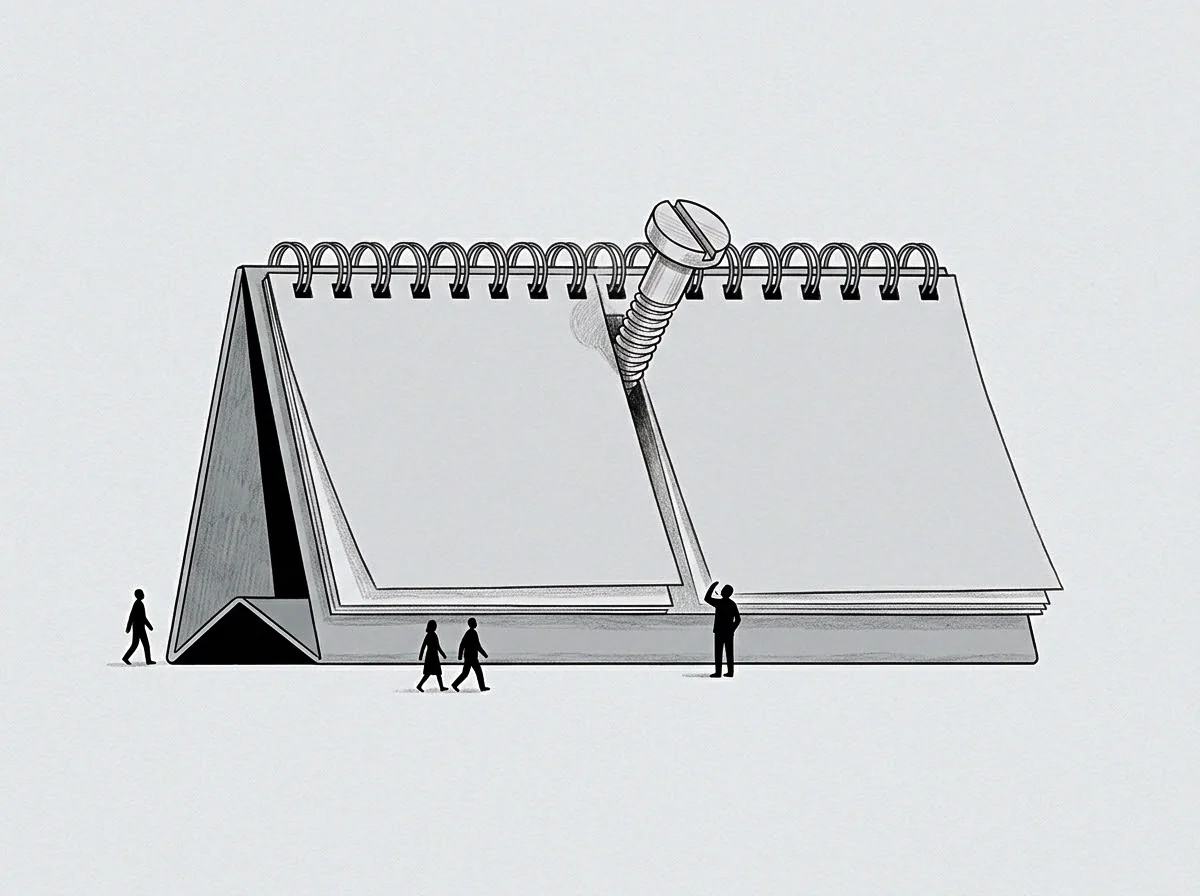
Breakdown in the transfer of operational responsibility occurs when an executive retains informal control over tasks formally assigned to subordinates. An acute delegation failure emerges when a post-founding leader overrides managerial decisions or reclaims operational tasks. This operational breakdown prevents managerial autonomy, restricts organizational scaling and creates reliance on the founder’s personal intervention.
It ceases to apply when operational authority successfully shifts to middle management through clear decision boundaries and accountability protocols.
Operational Bottleneck
Centralizing daily choices within a single executive seat slows corporate execution and creates widespread administrative delays. During periods of delegation failure, department managers lose operational autonomy, referring routine operational choices back to the founder. This constant escalation exhausts executive bandwidth while demotivating qualified managers who find their authority regularly undercut.
Operational velocity drops across the organization as approval queues grow around the founder’s seat.
Attention Exhaustion
Retaining micromanagement habits severely limits executive capacity and increases personal strain on post-founding leaders. When delegation failure persists, a founder spends critical attention hours on routine execution rather than high-level strategic alignment and governance. This tactical overload drains physical energy and cognitive capacity, impairing long-term corporate decision making.
Over time, the executive’s personal capacity becomes the upper ceiling for organizational growth.
Structural Correction
Establishing explicit authority thresholds and outcome-based performance metrics restores managerial autonomy across operational units. Reversing delegation failure requires founders to establish formal governance frameworks without controlling daily implementation.