

Designing Governance Firewalls Against Informal Shareholder Meddling In Operating Teams
Governance firewalls isolate operational execution from investor interference by channeling all shareholder communications through a designated executive office.
Governance firewalls isolate operational execution from investor interference by channeling all shareholder communications through a designated executive office.

Tacit knowledge decay occurs as incoming executives lose access to uncodified decision heuristics following the abrupt removal of transitional cognitive scaffolding.

Revenue team performance degrades during volatility when unmanaged scope expansion causes high-cost acquisition roles to absorb post-sale support tasks.

Operational veto rights protect enterprise integrity only when restricted to balance sheet encumbrances and governed by explicit financial sunset triggers.
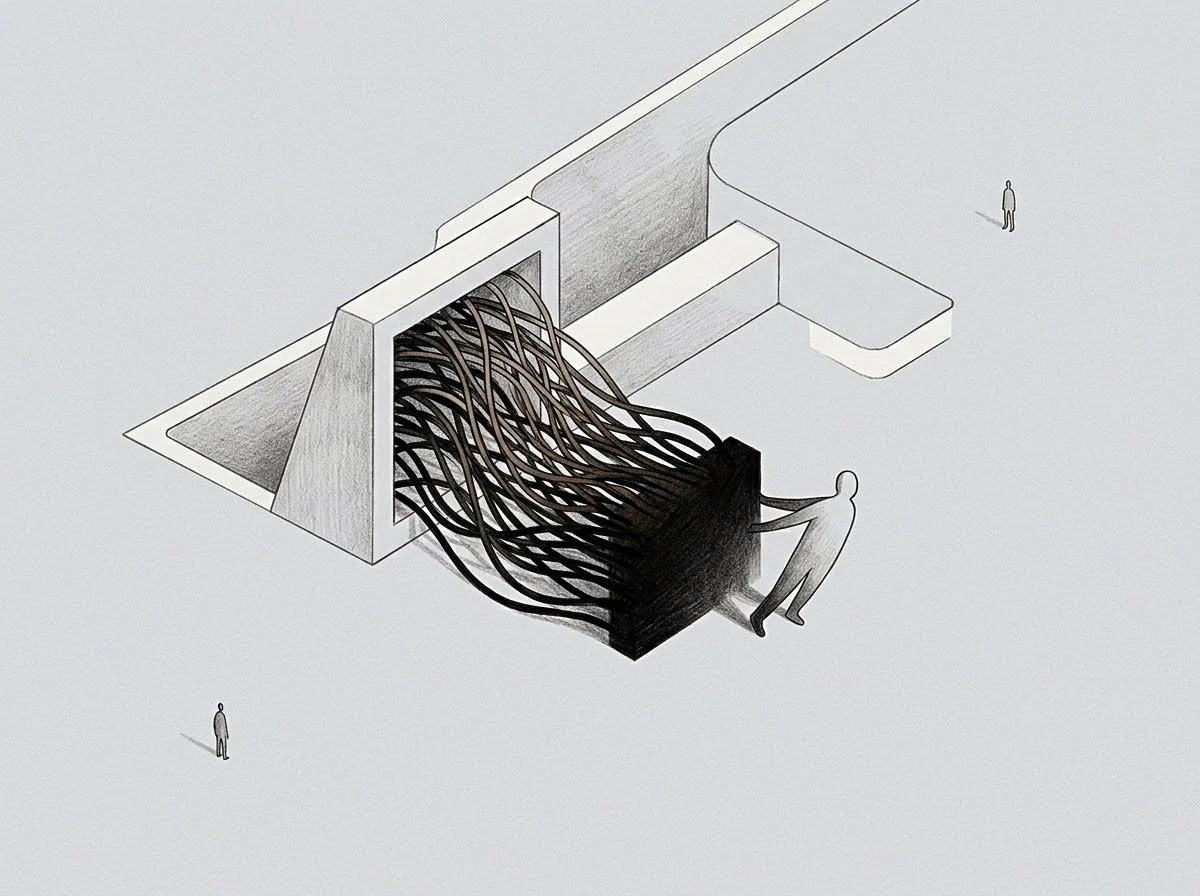
Contractual allocation of operational friction assigns post-transfer revenue shortfalls between buyer and seller using holdback escrows and indemnities.
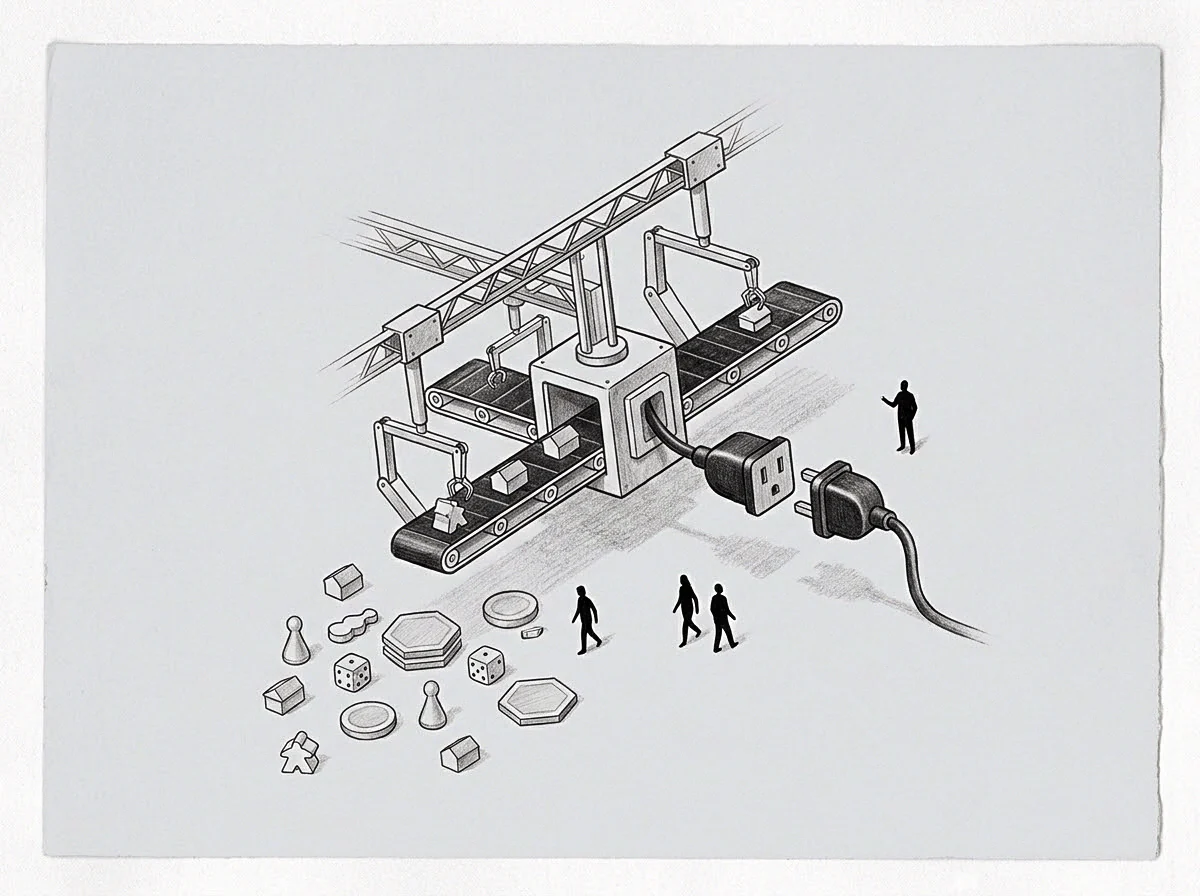
Separating production duties from strategic planning requires contractually bounded hours, explicit role definitions, and market pricing of technical labor.

Decomposing commercial posts into discrete pipeline, conversion, and governance stations eliminates cognitive switching drag and mitigates executive fatigue.

Tacit knowledge deficits during founder transitions are resolved by converting mental context into explicit decision logs and revoking execution access.

Tacit knowledge extraction fails when intuitive owner patterns are codified without capturing the situational cues that trigger operational choices.
The terms are written where they belong. Each field holds three desks, and every entry a desk writes raises the terms it uses, each term given a meaning, a mechanism and the places it appears. The record on these pages stays first person and hand made; the fields grow the nomenclature.