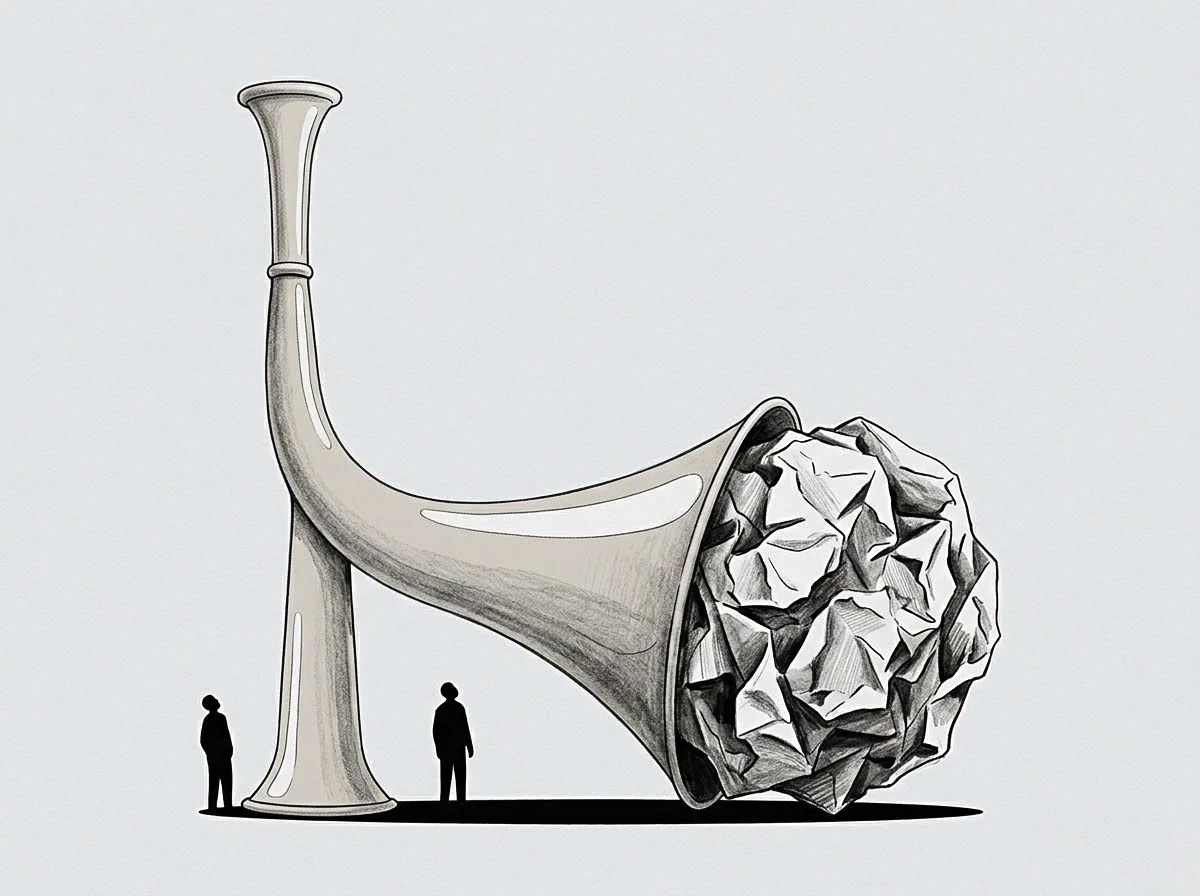
Meaning
Transition marks the movement of a founder or lead developer out of a role that requires direct technical contribution or code production. The engineering exit represents a shift from building the product to building the organization that builds the product. This process is complete when the person no longer holds any commits in the primary repository.
It does not refer to leaving the company entirely.
Seat Transition
Relinquishing technical control allows a person to occupy a management or ownership seat more effectively. During an engineering exit, the founder must transfer their unique knowledge of the system to a successor. This period is often marked by a temporary drop in velocity as the new lead adapts.
The person leaving the role must resist the urge to intervene in technical disputes.
Capacity Reallocation
Energy previously spent on solving software problems becomes available for fundraising, sales, recruiting and strategic planning. Successful engineering exit strategies focus on making the founder redundant in the daily development cycle. This change reduces the operational burden on the individual.
The company gains a leader who can focus on the external environment rather than internal implementation details.
Final Handover
Documentation and mentoring ensure that the legacy of the original builder persists without their presence. An engineering exit fails if the person in the seat is still the only one who can fix critical bugs. True independence is achieved when the engineering team operates at full capacity without consulting the founder on architectural decisions.
This handover creates a stable foundation for future growth.