
Quantifying De Facto Authority Transfer Delays Following Formal Founder Exit
Formal exit triggers immediate legal transfer while de facto operational authority lags by six to eighteen months across core decision channels.

Clock
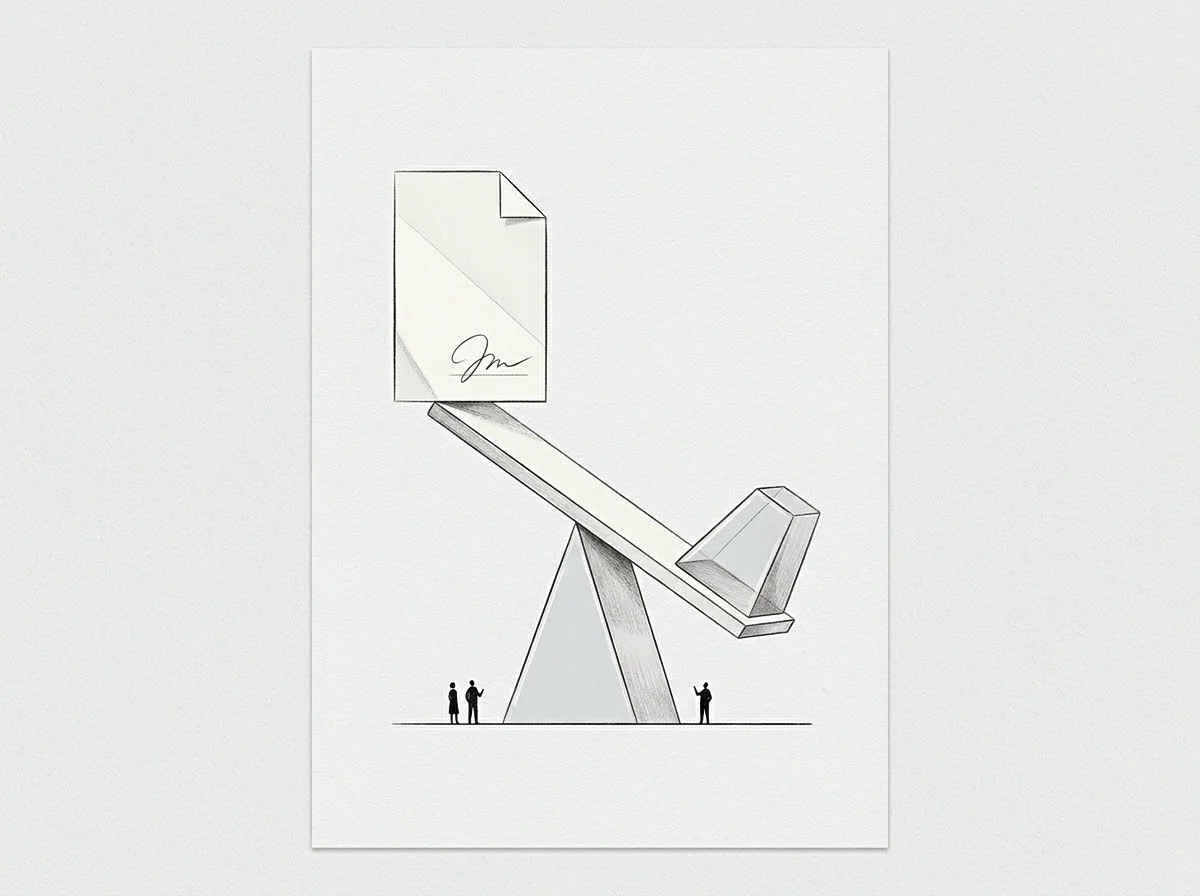
Formal exit filings and corporate announcements take effect on a set date, but operational authority shifts on a different timeline. Equity transfers, board resignations, and registry amendments become effective the moment documents are signed. The decision-making habits inside private companies move much more slowly.
Authority stays tied to established escalation routes and deference patterns long after legal ownership changes hands.

Legal Instantaneity Versus Operational Latency
Regulatory filings draw a legal line that rarely reflects internal operational reality. These documents assign statutory duties to a successor, but they do not automatically redirect daily information flows. Employees, vendors, and board members often keep bringing urgent questions, capital requests, and strategic disputes to the founder out of habit.
That gap between legal title and operational reliance creates a prolonged handover delay.
Observations of post-transition private companies show that de facto authority transfer lags legal departure by six to eighteen months. During this window, the new executive carries full legal liability while lacking full control over company direction. Subordinates often check with the former leader before moving on major initiatives, adding secondary review cycles that slow execution across departments.
The legal transfer of corporate title takes a single day, but the operational shift of authority follows a decay curve spanning multiple fiscal quarters.

The Decay Curve Of Informal Deference
Informal authority decays gradually rather than stopping abruptly. In the first ninety days after a formal departure, up to seventy percent of major strategic decisions still route informally to the founder for quiet approval. Middle managers and external partners default to this path because they still view the founder as the final arbiter of corporate intent.
This informal routing drops over subsequent quarters only if the successor explicitly overrides old arrangements or the former leader refuses to give advice. Without active intervention, informal deference persists, eroding the new executive’s authority and creating competing centers of power. Unmanaged transition delays eventually cause operational paralysis and drive out strong executives who demand real administrative autonomy.

Shadow
Informal communication loops allow departed leaders to retain influence over daily operations. Even after physical office access ends and network credentials expire, personal text channels, informal advisory roles, and board relationships remain active conduits for former leadership.

Informal Signal Paths In Governance Systems
Direct contact between former leaders and senior staff frequently persists outside corporate channels. A text message, dinner, or phone call can still change a capital allocation choice or stall a product release. Staff members use these connections to bypass the formal chain of command whenever new operational demands clash with past practices.
Board members often keep these secondary channels alive by consulting the former leader on large expenditures, senior hires, or strategic shifts before formal board meetings. This signals to management that governance structures remain secondary to personal relationships. The incoming executive ends up managing reports while the strategic direction stays tied to legacy preferences.

Structural Channels Of Residual Influence
Legacy influence typically persists through several specific structures within the business:
- Cap Table Weight where significant retained equity gives legacy opinions the implicit threat of shareholder disputes or board reconfigurations.
- Vendor Dependencies where key suppliers and banks ask for personal guarantees or sign-offs from the founder before extending credit lines.
- Tacit Technical Architecture where proprietary software, core processes, or trade secrets remain undocumented, forcing staff to ask the founder for help.
- Cultural Norm Enforcement where long-tenured employees treat past practices as fixed policy, resisting changes introduced by new leadership.
When informal networks remain active, senior management continues evaluating strategic decisions against what the former leader might think rather than what the market requires.
Subordinates continue seeking external validation because internal precedent suggests final authority still rests with the founder.

Floor
Operational stability determines how quickly a company absorbs a change in leadership without performance drops. Companies with documented management systems, clear delegation rules, and transparent financial reporting shorten transfer delays. Those relying on informal management and centralized decision-making face extended drag.

Empirical Baseline Conditions For Transfer Velocity
Transfer speed depends on how thoroughly operations were documented before the formal exit. When standard procedures, customer agreements, and vendor relationships are recorded in central systems rather than personal memory, incoming managers take charge much faster.
By contrast, centralized firms where the founder approved every purchase order and managed key client issues require longer handovers. Pushing for a rapid transfer in those settings leads to immediate bottlenecks, forcing the new executive to pull the former leader back in to handle routine operational issues.
A leadership handover moves only as fast as existing documentation permits independent decision-making.
Grip
Authority inertia stems largely from structural role tenacity. When a founder builds a business from scratch, their daily routines integrate into the organization’s operational workflows. Severing that connection requires systematically mapping and transferring the founder’s technical, financial, and relational duties.

Tacit Knowledge Inertia In Executive Seats
Tacit operational knowledge forms a primary obstacle to full authority migration. Unlike explicit operational data that fits into manuals or spreadsheets, tacit knowledge consists of unwritten customer preferences, operational habits, and informal problem-solving methods. When a founder exits, this context stays in their head.
Uncodified operational knowledge forces incoming executives to consult former leaders for guidance during market shifts.
Successors making major choices without this context risk operational missteps. To reduce that risk, incoming executives often invite former leaders back to advise, unintentionally lengthening the transition period.

Worked Situation Of Dual Authority Friction
Consider an industrial software firm generating twenty million dollars in annual recurring revenue undergoing a leadership transition. The outgoing founder resigns as chief executive, taking a non-executive board seat and retaining thirty percent equity. A new chief executive takes over with a mandate to prepare the business for an institutional sale.
In month two post-transition, the chief revenue officer faces a pricing dispute on a renewal contract worth fifteen percent of annual revenue. Standard policy requires chief executive sign-off for discounts above ten percent. Instead of asking the sitting executive, the chief revenue officer texts the former founder, who approves a fifteen percent discount without telling the new leader.
When the chief executive discovers the discount three weeks later, several operational breakdowns become apparent:
- The executive seat was publicly bypassed in front of senior sales staff.
- Financial models maintained by the new chief executive became inaccurate, throwing off quarterly cash flow projections.
- The sales team learned that official discount limits could be overridden by reaching out to the former founder.
- The chief executive spent forty hours reviewing historical contracts to check for other unauthorized modifications.
Resolving the issue required board intervention to re-establish the formal hierarchy and build clear communication firewalls between the founder and operational staff.
The governance agreement specifies that any direct operational instruction from a non-executive shareholder converts their status to an active manager, triggering full personal operational liabilities under applicable corporate law.

Chart
Data from private company transitions shows a direct link between pre-exit planning factors and the duration of de facto transfer delays. Tracking these variables across different transition models highlights why operational lag occurs.

Comparative Transfer Latency By Firm Parameter
Factors like equity distribution, documentation detail, and communication rules determine how long former leaders retain influence after legal exit papers are filed.
| Transition Archetype | Equity Retained By Predecessor | Process Codification Level | Average De Facto Transfer Delay | Primary Friction Source |
|---|---|---|---|---|
| Abrupt Separation | Zero Equity Held | High Codification | 1.5 Months | Customer Relationship Continuity |
| Structured Governance Handover | Minority Board Seat (10-20%) | Moderate Codification | 6.2 Months | Secondary Employee Escalations |
| Legacy Owner Transition | Majority Stake (>50%) | Low Codification | 18.4 Months | Unsanctioned Capital Allocation Interventions |
| Advisory Transition Model | Retained Retainer Contract | Low Codification | 14.1 Months | Parallel Decision Channels |
| Data aggregated across observed private firm executive transitions spanning technology, industrial manufacturing, and professional services sectors. | ||||
The data shows that retaining significant equity while staying on as an advisor creates the longest operational delays. When former leaders retain majority voting blocks, new executive titles carry little weight because real decision rights remain tied to ownership rather than administrative roles.
Under what specific financial and operational conditions does continuing an advisory role cause complete administrative failure for an incoming executive team?
Shift
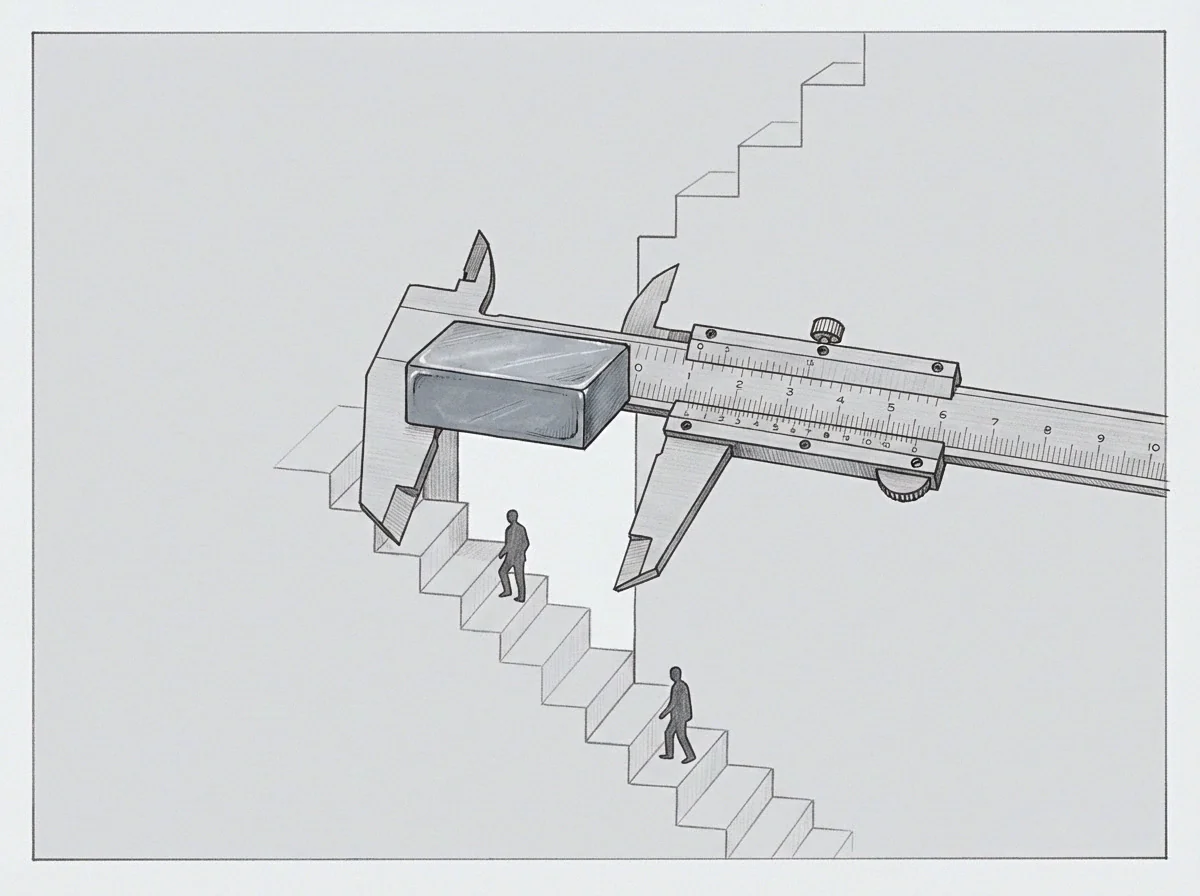
Closing transfer delays requires active operational decoupling, not just changing legal titles. Successors and departing founders need structural safeguards that physically and contractually close informal management paths.
Decoupling Protocols For Residual Deference
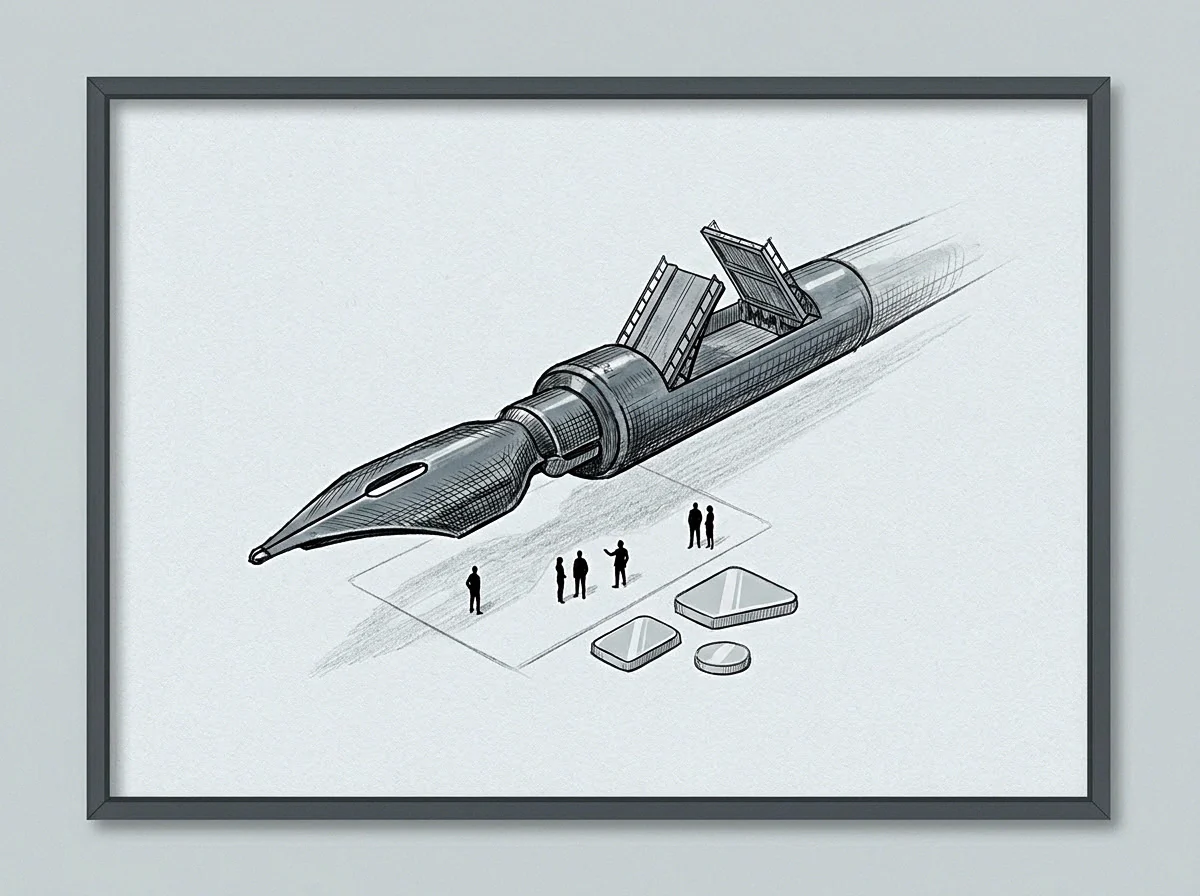
Separation depends on establishing firm operational boundaries on day one. Internal rules must redirect all business queries back to the formal executive team without exception.
Setting strict administrative boundaries on day one stops informal loops before shadow authority structures take root.
A full transfer of authority requires a clear, step-by-step protocol across the business:
- Revoke system credentials, administrative access, and building keycards on the formal transition date.
- Re-route emails and messages sent to legacy accounts directly to the successor or their executive assistant.
- Instruct staff that operational matters must not be discussed with former executives.
- Set up official communication channels that prevent directors from contacting operating staff directly.
- Require approval logs for purchase orders and contract amendments to catch unsanctioned sign-offs.
Closing parallel decision channels protects organizational hierarchy and gives the new executive team space to establish authority.
Contractual Triggers That Dissolve Informal Reliance
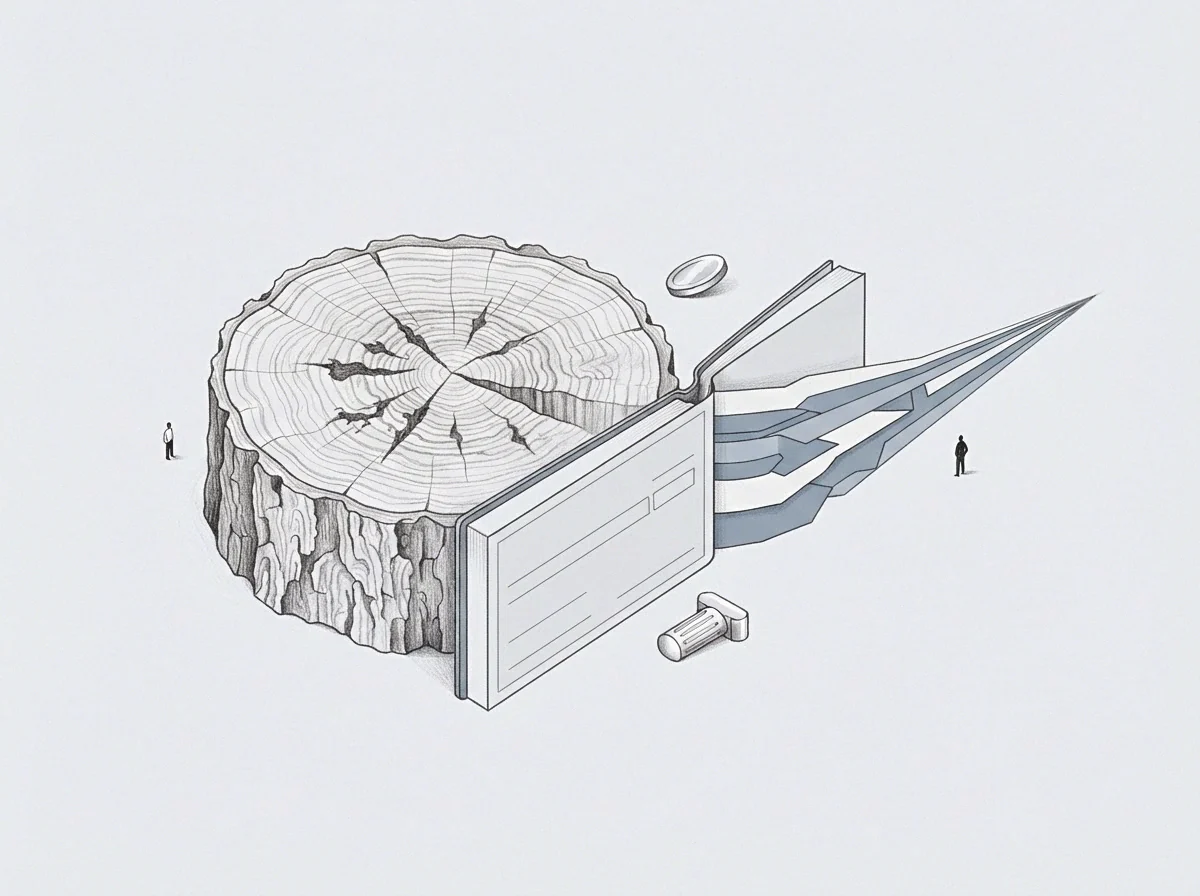
Transition agreements should include explicit operational standstill clauses. These terms specify that any informal interference by a departing founder forfeits remaining board seats, advisory retainers, or accelerated equity vesting. Tying operational boundaries directly to financial terms enforces compliance.
When contracts enforce clear separation, staff quickly realign with the formal chain of command. The successor gains operational control, decision-making normalizes, and the business shifts cleanly into its post-founder model.