Meaning
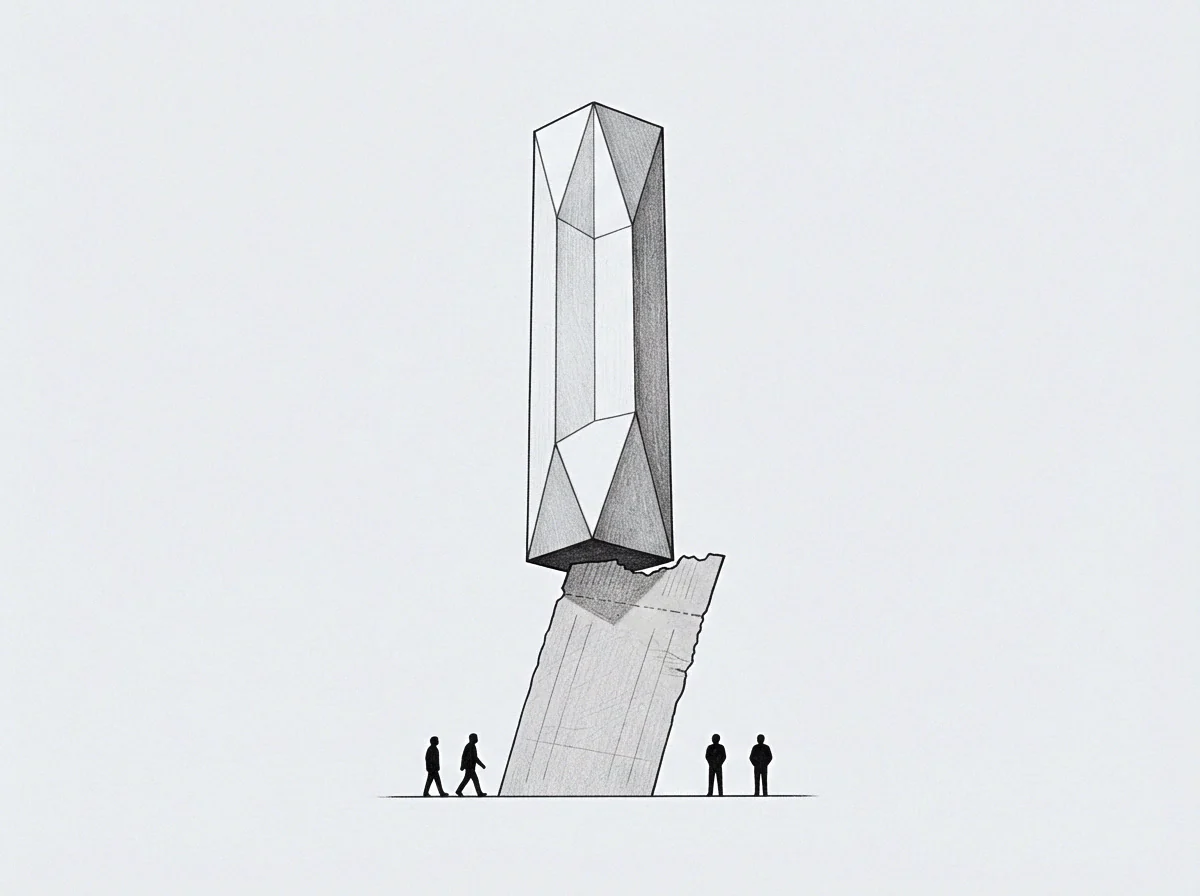
Management of complex interdependencies across various business units defines the primary requirement of a professional executive role. The enterprise leader manages the tension between short-term functional goals and the long-term health of the entire firm. This seat demands a shift from the specialist mindset of a technical founder to a systemic view of the organization.
Success is measured by the ability to move resources between departments to meet shifting market demands. The role ends when the leader returns to a functional focus or leaves the firm.
Strategic Coordination
High cognitive load defines the daily work of this position. Because the enterprise leader must synthesize information from many disparate sources to maintain a coherent vision, the energy cost of maintaining this mental model is substantial. Decision cycles lengthen.
Organizational Cohesion
Cultural alignment acts as the primary tool for influencing outcomes. An enterprise leader relies on shared values rather than direct command to drive performance in large teams. This reliance reduces the direct control a founder might have enjoyed in a smaller setting.
Role Transition
Moving into this seat involves relinquishing the habit of solving technical problems. The transition to becoming an enterprise leader forces a person to trust the expertise of others while holding them accountable for results. It represents a final break from the technician role.