
Economic Thresholds for Redundant Enterprise Staffing to Insulate Executive Seats Against Cyclical Volume Shocks
Executive seats require redundant operational labor buffers when transaction surges cost more in lost strategic output than carrying excess baseline payroll.

Shed
Cyclical volume shocks across enterprise service delivery force executive seats to absorb operational spillover whenever underlying labor models lack built-in redundancy thresholds. When transaction density, contract onboarding spikes, or seasonal demand surges hit an organization, tactical work must land in a physical seat. In enterprises with lean mid-tier management, these operational floods move upward through the authority chain until reaching individuals who hold the tacit knowledge required to execute the task.
An executive seat built primarily to govern capital allocation, market positioning, and enterprise architecture becomes a high-cost operational patch.
This conversion operates through structural mechanics rather than individual choice. A business processes volume through three functional tiers: execution, management, and governance. When incoming transaction volume exceeds the maximum operational throughput of the execution tier, unprocessed tasks create an operational queue.
If the management tier lacks excess labor capacity, the queue bypasses tactical oversight and demands direct resolution. The founder or executive, holding ultimate institutional authority and system access, steps into the execution seat to prevent contractual default or client churn. Executive hours divert from long-term capital strategy into immediate order processing, ticket resolution, and manual process oversight.
Executive capacity degrades continuously when operational volume spikes force governance seats to execute routine tactical transactions.
The financial ledger disguises this operational displacement as short-term payroll efficiency. Traditional cost accounting measures lean staffing as minimized overhead, celebrating the absence of redundant payroll during baseline operational periods. The balance sheet omits the hidden opportunity cost incurred when executive seats spend high-value billing hours running low-level workflows.
The price of failing to institutionalize redundant enterprise staffing manifests as strategic drift, delayed capital projects, executive exhaustion, and compromised enterprise valuation.

Operational Queue Dynamics and Executive Absorption
When incoming demand exceeds baseline capacity by even fifteen percent, labor utilization ratios at the operational level hit theoretical limits. Systems operating at ninety-five percent utilization experience exponential queue growth when hit with minor demand spikes. Without a floating buffer of skilled labor, operational units default within hours.
The immediate administrative response during volume spikes usually relies on overtime from existing staff. Overtime yields diminishing returns within three weeks as physical fatigue lowers hourly throughput and raises error rates. The second operational response pulls mid-level managers into technical production work, eroding managerial oversight and delaying quality assurance checks.
The final operational backstop remains the executive seat, where the worker possesses broad institutional access and direct accountability for firm survival.
A cost penalty accrues each time an executive seat absorbs execution tasks. The monetary value of an executive hour, derived from corporate governance impact and high-value deal origination, typically sits between five hundred and two thousand dollars. Consuming that hour to resolve an operational bottleneck priced at fifty dollars an hour represents an immediate capital inefficiency.
Repeated over consecutive financial quarters, this dynamic caps corporate growth and wears down executive focus.
Uninsulated executive seats fail at the precise moment the enterprise needs clear strategic guidance. During demand shocks, market conditions change rapidly, requiring fast capital deployment and repositioning. An executive team buried in daily delivery operations lacks the cognitive bandwidth to analyze market shifts or execute strategic acquisitions, leaving the enterprise vulnerable to competitors carrying built-in labor redundancy.

Shock
Volume shocks hit enterprise systems through predictable patterns, yet standard staffing models treat them as sudden disruptions. Cyclical variations emerge from enterprise contract renewal cycles, seasonal consumer behavior, regulatory compliance deadlines, or macro-economic swings. When an enterprise structures its baseline headcount around average low-season volume, every operational spike triggers a capacity crisis that jeopardizes service level agreements.
The severity of an operational shock depends on two variables: volume height and duration velocity. Height measures peak transaction density against baseline median capacity. Duration velocity measures how fast demand escalates and how long it remains above standard operational limits.
A short high-intensity spike tests immediate execution bandwidth, whereas a prolonged medium-intensity shock destroys operational infrastructure by eroding managerial systems and staff morale.
Insulating executive seats against these shocks requires establishing an economic threshold for redundant staffing. This threshold marks the precise point where the carrying cost of idle or flexible operational labor costs less than the enterprise value destroyed when executives step into direct execution roles. Establishing this number demands breaking down how executive capacity degrades during operational distress.
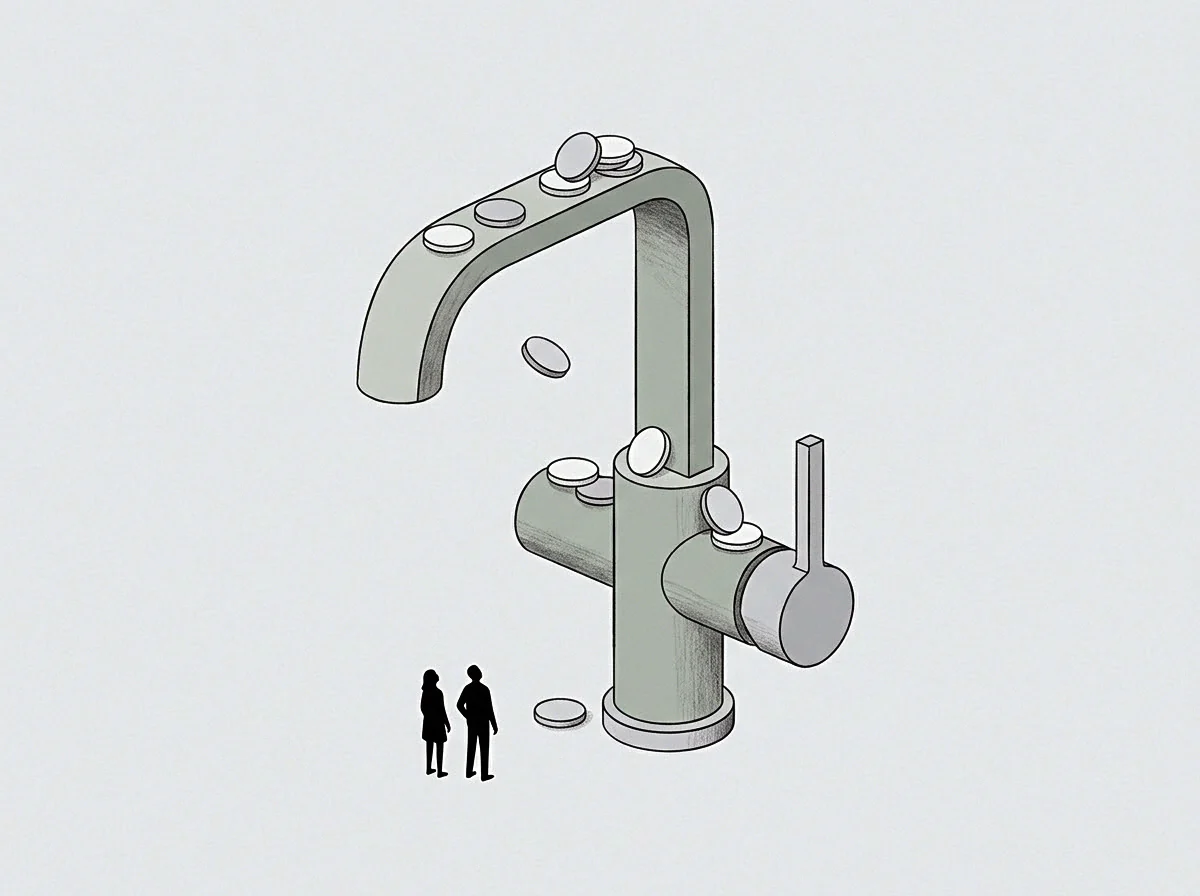
Taxonomy of Enterprise Capacity Degradation
When volume shocks breach operational containment lines, capacity degrades through specific structural stages. Each stage weakens enterprise governance and reduces executive responsiveness.
- Strategic Displacement describes the immediate cancellation of corporate development projects, capital allocation reviews, and executive strategy sessions to free up calendar hours for direct tactical intervention.
- Oversight Atrophy occurs when mid-tier managers abandon standard quality controls, performance evaluations, and documentation protocols to maintain basic operational throughput.
- Tactical Entrenchment settles in as executives remain trapped in daily delivery workflows for months after a volume shock subsides, creating an operational dependency on high-level intervention.
- Decision Fatigue reduces the quality of high-stakes enterprise governance choices as executive energy drains through continuous low-level decision-making during extended operational crises.
The operational cost of these degradation states accumulates silently across financial reporting periods. Line-item expenses appear stable while the long-term asset value of the enterprise erodes under poor strategic governance.

Measuring Strategic Bandwidth Erosion
Strategic bandwidth reflects an executive seat’s available hours spent on enterprise expansion, investor relations, talent acquisition, and system architecture. In a fully insulated structure, strategic bandwidth accounts for eighty percent of total executive hours, with twenty percent allocated to standard operational review.
During an uninsulated volume shock, strategic bandwidth declines fast. Field data across mid-market services firms shows that a thirty percent rise in customer order volume reduces executive strategic bandwidth by over sixty percent when redundant labor is absent. The executive day shifts from proactive planning to reactive firefighting, leaving long-term projects stalled and vulnerable to market disruption.
A lean staffing structure that eliminates redundant operational labor systematically converts executive strategy hours into expensive tactical execution.
Replacing lost strategic bandwidth takes months of deliberate operational rebuilding after a volume shock ends. The institutional memory lost during chaotic execution cycles creates operational debt that requires heavy technical remediation. Staffing models built around strict efficiency metrics consistently underestimate this long-term operational toll, ignoring the enterprise value built when executive seats remain protected from daily transactional labor.
The client base notices execution friction long before financial reporting reflects operational breakdown. Response times slow, error rates rise, and customized enterprise delivery reverts to standardized emergency protocols. When executives spend their days answering support tickets or overseeing routine product delivery, no authority remains to redesign failing operational processes or manage key client relationships.
Enterprise clients paying high retainer fees expect executive oversight on strategy rather than transactional firefighting. When executive seats become operational backstops, client confidence weakens, driving account attrition once the immediate volume shock passes.
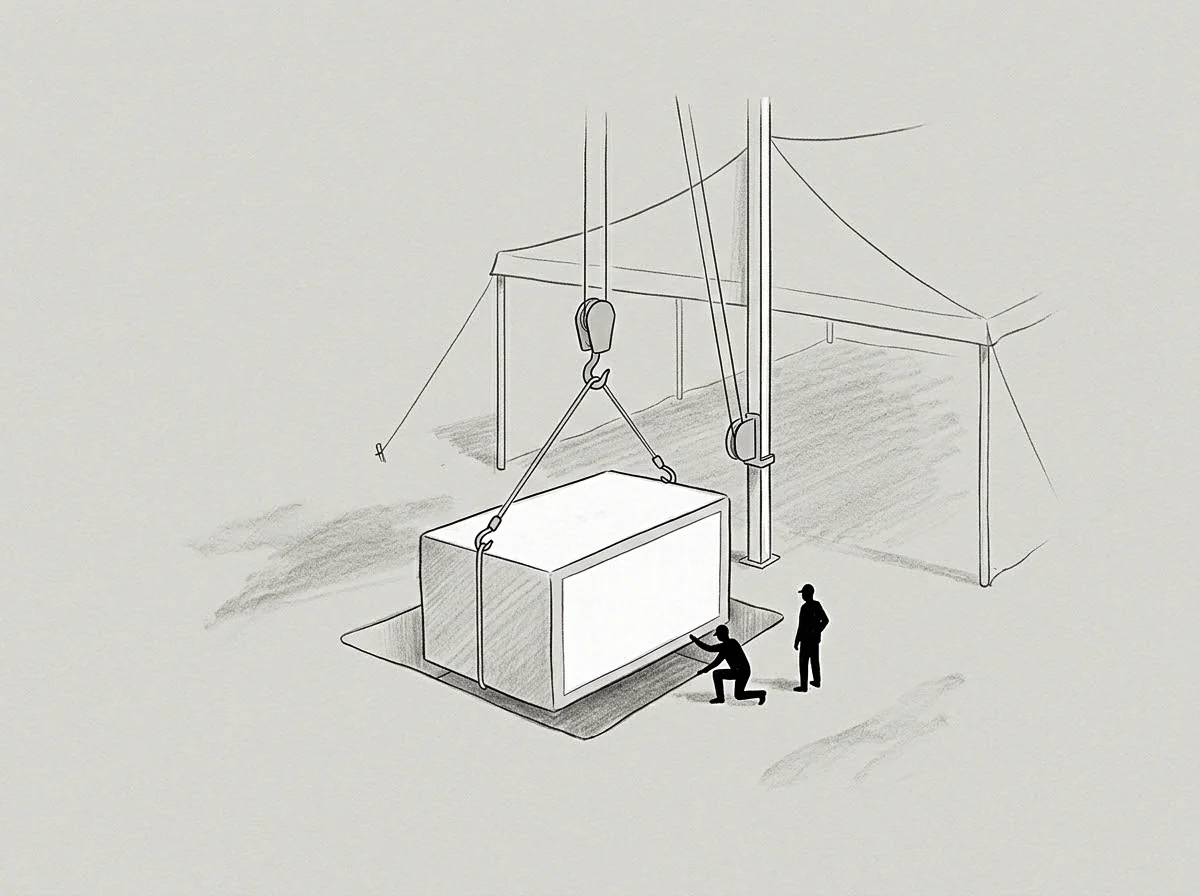
Margin
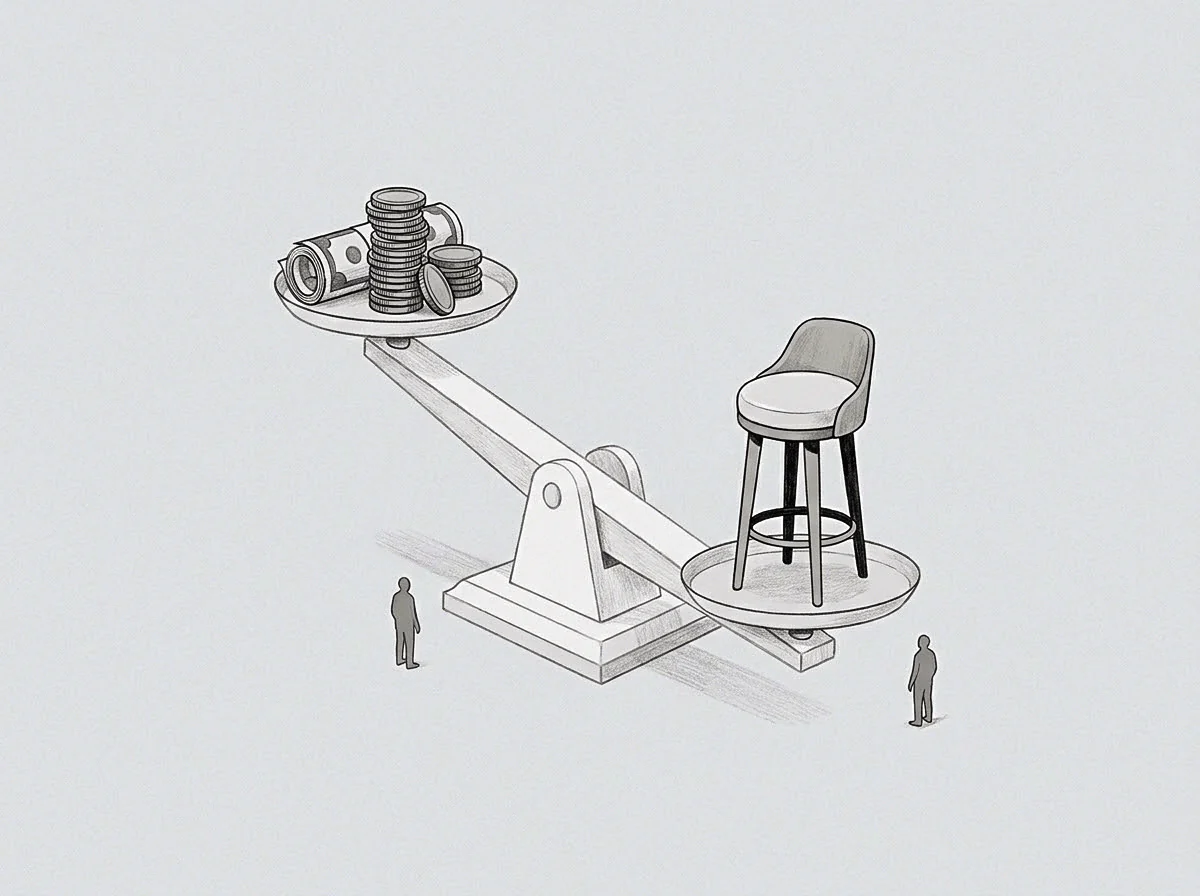
Calculating the economic threshold for redundant staffing requires evaluating fixed payroll carrying costs against the total cost of executive capacity loss. The traditional operational equation treats redundant headcount as pure waste during low-volume periods. An accurate financial evaluation measures redundant labor as an operational insurance policy that protects high-yield executive seats from tactical absorption.
The trade-off balances two expense lines: the payroll expense of excess operational capacity during baseline periods and the total financial impact of executive seat compromise during demand spikes. When the cost of potential executive displacement exceeds the cost of carrying redundant staffing units, adding redundant operational seats becomes financially necessary.
| Shock Duration | Executive Hourly Value | Displacement Financial Impact | Redundant Staff Carrying Cost | Net Economic Advantage |
|---|---|---|---|---|
| Short Term (1 to 2 Weeks) | $750 per hour | $60,000 in lost strategic output | $15,000 per quarter | $45,000 protected enterprise value |
| Medium Term (1 to 2 Months) | $1,000 per hour | $320,000 in stalled expansion | $60,000 per half-year | $260,000 protected enterprise value |
| Long Term (3 to 6 Months) | $1,250 per hour | $1,200,000 in delayed financing | $180,000 per year | $1,020,000 protected enterprise value |
| Calculations assume one executive seat displaced for forty hours per week against two redundant mid-tier operational seats. | ||||
The numbers demonstrate that carrying redundant labor offers a substantial financial return when measured against executive hourly output. The financial ledger captures the payroll expense clearly while disguising the strategic value protected by insulating governance seats. Enterprise leaders must evaluate both sides of the balance sheet to maintain financial stability during operational swings.

Quantifying Executive Displacement Costs
Determining the financial cost of executive seat displacement involves measuring three core metrics: direct hourly billing opportunity costs, stalled pipeline enterprise value, and long-term strategic delay costs. Direct opportunity costs apply when executive seats directly generate revenue through fee-for-service consulting, client pitch lead generation, or high-level negotiation.
Stalled pipeline costs reflect the decay of enterprise sales leads when executive attention shifts to internal operational execution. High-value enterprise sales cycles require continuous executive touchpoints. A two-month operational distraction can derail high-value deals, extending sales cycles and reducing revenue velocity.
Strategic delay costs quantify the financial losses caused by postponing infrastructure updates, automated workflow rollouts, or market expansions. Postponing an automated billing system update by six months because executive engineering resources were diverted to routine support tasks extends high operational overhead expenses, directly reducing annual net margins.
The payroll cost of excess operational staffing represents an enterprise risk management premium paid to protect executive output and strategic positioning.
Carrying Cost Models for Floating Capacity
Enterprises build labor insulation through three primary structural models: fixed internal shadow teams, cross-trained internal operational reserves, and variable contractor pools. Each model presents distinct carrying costs, activation speeds, and institutional risk profiles.
Fixed internal shadow teams maintain permanent excess capacity within core operational units. This approach delivers the fastest activation speed during volume shocks, as workers already possess institutional knowledge and system credentials. The carrying cost remains high during baseline periods, requiring strict baseline utilization strategies like process optimization and internal documentation projects.
Cross-trained internal reserves distribute operational surplus across secondary departments. Employees in adjacent units dedicate twenty percent of their standard workweek to cross-functional training, allowing them to shift roles when volume spikes hit core delivery systems. This model lowers baseline carrying costs while maintaining high security and quality standards, though it requires complex cross-departmental coordination.
Variable external contractor pools rely on contract workers who ramp up during operational spikes. While this model minimizes fixed payroll costs during baseline low-volume months, it exposes the enterprise to talent availability risks and slower activation speeds. Quality variations among temporary staff often require additional managerial oversight, which can inadvertently draw executive seats back into tactical quality assurance work.
The selection of an insulation model relies on contractual service level agreements, process complexity, and data access security limits. Highly specialized enterprise services often choose fixed internal shadow capacity to safeguard proprietary workflows, accepting higher payroll carrying costs to guarantee operational stability.
Under contract provisions specifying strict service level outcomes, the employment contract defines floating labor support roles to maintain executive insulation without violating enterprise budget caps.

Tier
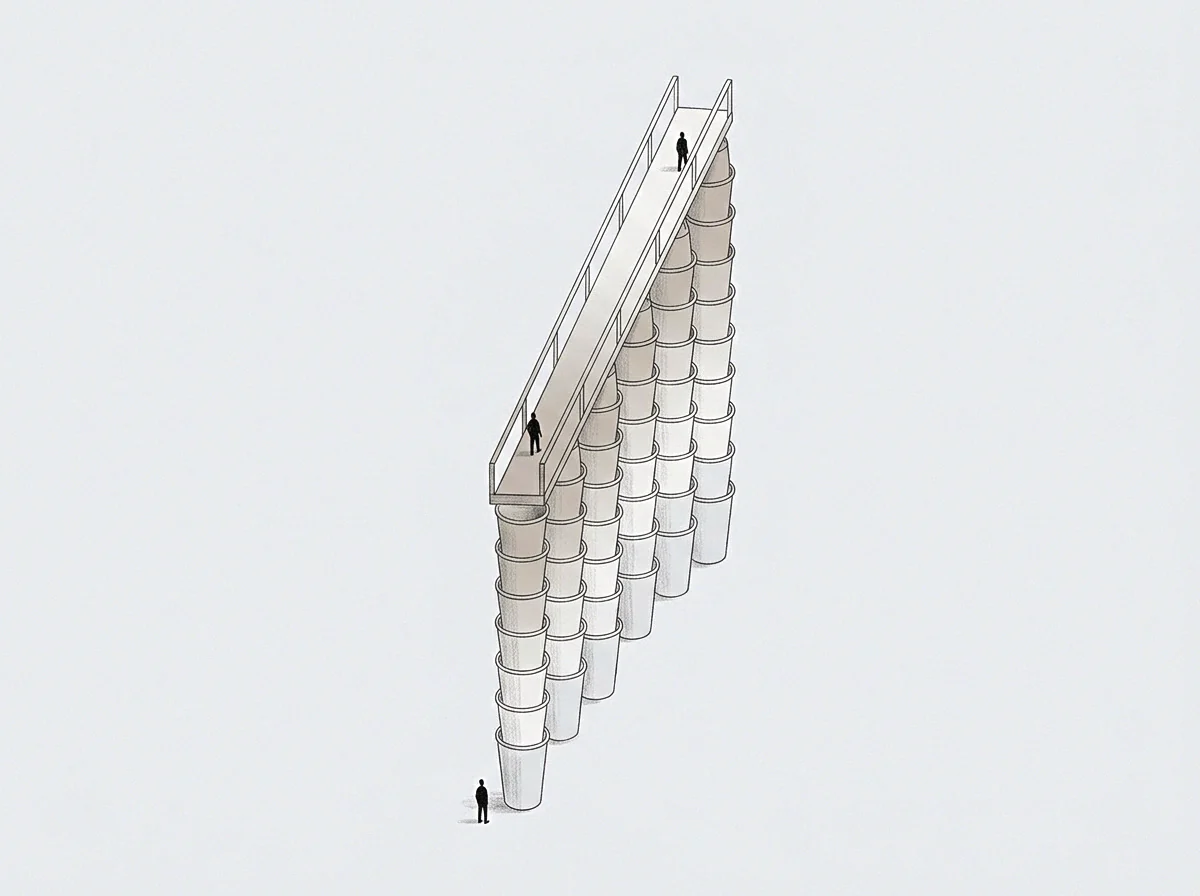
Constructing a redundant enterprise staffing model requires building a secondary operator tier between frontline execution units and executive governance seats. This secondary layer functions as an operational buffer, absorbing transaction surges and containing workflow friction before issues rise to executive chairs.
Secondary operator tiers consist of senior tactical specialists and operational leads holding elevated system permissions and administrative authority. These workers possess the institutional knowledge required to resolve technical exceptions, manage client escalations, and reallocate team tasks without demanding executive approval. Their primary performance metric rests on operational containment: holding volume shocks within operational channels and insulating governance seats.
Building this operational tier demands clear delegations of authority, established escalation limits, and documented process rules. Without explicit authority boundaries, secondary managers default to escalating complex problems, defeating the purpose of redundant operational staffing.
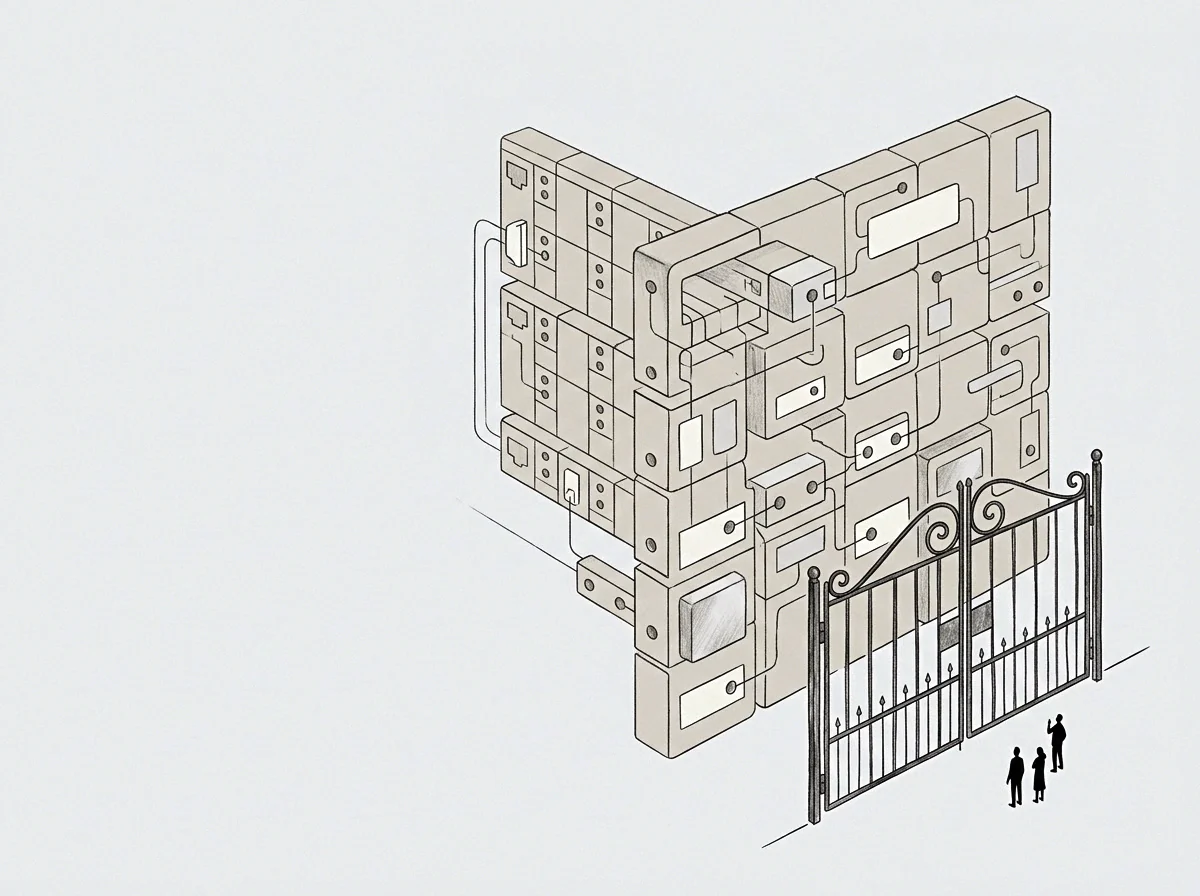
Where Does Operational Sinking Fund Fail?
Operational sinking funds allocate capital specifically to cover surplus labor expenses during volume spikes. These financial reserves fail when enterprises treat them as discretionary capital reserves rather than restricted operational protection assets.
A primary failure point occurs when executive boards reallocate reserved labor funds toward short-term profit margins or unexpected capital acquisitions during calm operational periods. When a volume shock arrives, the enterprise lacks the liquid capital required to activate contractor networks or onboard temporary operational teams, forcing executive seats back into tactical execution.
A secondary failure mode stems from delaying labor deployment during early shock phases. Finance teams often withhold operational reserve capital until volume surges breach operational limits, missing the window to onboard operational support smoothly. Late deployment leaves temporary staff unprepared, forcing executives to step in and manage chaotic execution personally.
Preventing sinking fund failure requires tying reserve activations directly to objective operational metrics. When transaction queues exceed baseline capacity by an agreed percentage over three consecutive days, labor reserve deployment triggers automatically without needing executive approval.
Sequential Implementation of Insulated Labor Structures
Transitioning an uninsulated enterprise into a resilient structure follows a methodical implementation path. Each phase builds necessary operational controls before adding excess labor capacity.
- Mapping operational workflows to isolate tasks that routinely demand executive intervention during volume spikes.
- Establishing objective operational volume thresholds that automatically trigger supplemental labor deployment.
- Defining formal delegations of authority that empower mid-tier leads to resolve process exceptions independently.
- Recruiting cross-trained operational reserves to absorb execution surges during volume spikes.
- Auditing executive time allocation weekly to verify governance seat insulation during high-density operational periods.
Systematic implementation prevents the enterprise from spending on redundant payroll before establishing the authority structures required for effective operational containment. Labor redundancy without clear authority structures simply adds operational noise without protecting executive capacity.
Maintaining secondary labor tiers requires ongoing cross-training and process updates. Mid-tier leads must practice executing escalation workflows during low-volume periods to handle operational surges smoothly during peak business cycles.
The secondary operator tier relies on continuous process documentation to run smoothly. When execution rules remain clear, floating labor steps into production roles without triggering quality drops or requiring executive oversight.
Evaluating how effectively mid-tier operational leads isolate executive seats during prolonged volume shifts remains a key measurement for the board.

Buffer
Protecting executive seats over long business cycles requires matching structural labor buffers with equity structures, executive compensation design, and explicit governance boundaries. When volume shocks extend over multiple quarters, informal operational arrangements collapse under persistent workload strain. Formalizing operational buffers into enterprise governance documents guarantees seat insulation across changing market conditions.
A common failure pattern occurs when founders and executives accept tactical execution responsibilities as a personal obligation during operational crises. This tendency stems from early-stage enterprise habits, where survival depended on executive tactical execution. As the enterprise scales, this practice limits organizational growth, signaling to mid-tier managers that executives will step in whenever operational systems fail.
Breaking this pattern demands treating executive time as an enterprise asset protected by corporate governance policies. Governance frameworks must specify that executive seats operate exclusively within strategic oversight, capital allocation, and executive leadership roles, barring direct intervention in daily execution except under formal enterprise emergency declarations.

Worked Situation: Insulated versus Uninsulated Structures Under Shock
Consider two mid-market enterprise logistics providers, Firm A and Firm B, both generating forty million dollars in annual revenue with ten percent operating margins. Both firms experience a sudden forty percent increase in transaction volume driven by an eighteen-month regional trade disruption. Each firm operates with two executive founders holding ultimate strategic responsibility.
Firm A operates a lean staffing model with zero redundant operational labor. As volume surges, frontline execution systems breach operational limits within two weeks. Mid-tier managers quickly exhaust overtime budgets and escalate unresolved execution exceptions directly to the founders.
Within one month, both founders spend thirty-five hours per week managing warehouse logistics, handling vendor disputes, and processing manual shipping documentation. Strategic expansion projects, including a planned tech modernization initiative, are put on hold indefinitely.
Firm B maintains an insulated staffing model, spending one hundred and eighty thousand dollars annually on two cross-trained mid-tier operational leads who run process improvement initiatives during baseline periods. When the volume surge hits, Firm B shifts these leads into direct execution support and activates pre-negotiated contracts with external logistics specialists. The operational leads handle exceptions, direct supplemental labor, and maintain delivery schedules without drawing the founders into tactical workflows.
Over the eighteen-month shock period, Firm A maintains short-term margins but loses a key corporate expansion opportunity worth three million dollars in recurring revenue due to delayed execution. Founder exhaustion leads to managerial turnover, and process quality drops trigger a six percent client attrition rate post-shock. The cost of founder displacement far exceeds the payroll capital saved by running a lean operational team.
Firm B absorbs the payroll carrying cost of its secondary labor tier throughout the shock. Because the founders remain focused on strategic capital deployment, Firm B acquires a distressed regional competitor during month eight of the crisis, adding eight million dollars in annual enterprise value. The insulated labor model protected executive strategic bandwidth, converting an industry volume shock into a major competitive expansion.

Contractual and Capital Frameworks for Seat Insulation
Protecting executive seats over the long term requires translating operational boundaries into binding employment contracts, board charters, and capital allocation frameworks. Executive employment contracts should explicitly state core job responsibilities, defining strategic output expectations while restricting direct operational execution roles.
Board charters must mandate annual reviews of executive time allocation, treating sustained tactical execution as an operational risk that requires structural remediation. When board reports show executive hours shifting heavily into routine management work, the board should require executive leadership to recruit operational support or adjust service level commitments to protect enterprise strategy.
Capital frameworks must institutionalize operational sinking funds as permanent balance sheet accounts, preventing the removal of redundant labor budgets during low-volume business periods. By treating labor redundancy as a required operational asset, the enterprise protects its executive capacity against cyclical volume shocks, securing long-term valuation across economic cycles.
When an enterprise formalizes these structural buffers, operational resilience shifts from an executive personal obligation into a built-in enterprise system. The enterprise survives demand swings because its strategic leadership sits safely behind redundant labor buffers, ready to execute capital growth strategies regardless of operational volume spikes.
The operational buffer holds, preserving strategic capacity for enterprise growth.