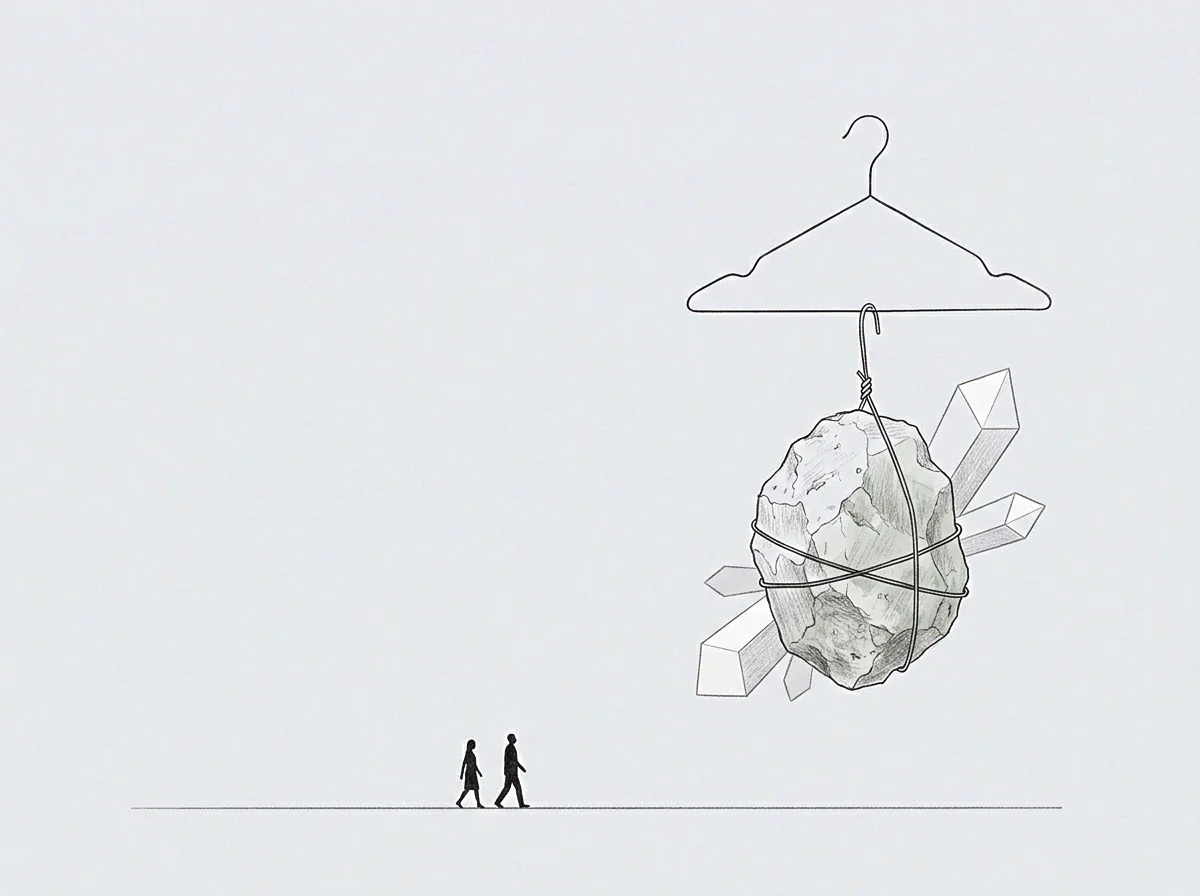
Meaning
Temporary board structures and reporting systems installed during a leadership transition help stabilize a company while permanent management is put in place. This governance scaffold is designed to be disassembled once the new executive team proves its competence. When a founder resigns, these interim measures protect the company’s strategic direction from sudden disruption.
Interim Stability
Leadership changes introduce instability that can alarm investors and employees. A governance scaffold provides a reliable framework of oversight that keeps the company aligned with its core objectives. During this phase, the founder often serves as an interim chairperson or advisory board member to assist with the handover.
This temporary arrangement reduces the cognitive load on the incoming chief executive.
Structural Handover
Organizational processes must transition from personal networks to institutional systems. The use of a governance scaffold allows the board to monitor performance closely without committing to a permanent top-heavy hierarchy. As the new management team gains experience, the board gradually retires these extra layers of reporting.
This methodical wind-down ensures a smooth transfer of authority without sacrificing oversight.
Transition Security
Risk mitigation is the primary focus of these temporary arrangements. By implementing a supportive framework, the board prevents the loss of essential institutional knowledge. This defensive setup remains active until the new leadership is fully integrated.