
Formalizing Delegated Governance Rules During Founder Succession From Technical Execution Positions
Delegated governance during founder succession transfers execution authority to incoming leads while establishing structural thresholds for residual board oversight.

Joint
A founder in a senior technical role frequently combines day-to-day software development with overall corporate governance. Approving infrastructure changes, selecting dependencies, and reviewing pull requests run alongside equity voting and board strategy. When scaling requires a dedicated engineering executive, this arrangement collapses.
The founder tries to step away from daily management while keeping an unspoken veto over architectural choices, leaving the new technical leader with the title but limited structural authority.
Role theory describes this overlap as role strain. Early on, having one person handle technical execution, functional management, and ownership minimizes communication channels. But as headcount grows, holding all three roles without clear boundaries creates friction.
Engineering receives directives from the incoming manager alongside informal counter-orders from the founder, directly reducing team velocity and execution capacity.
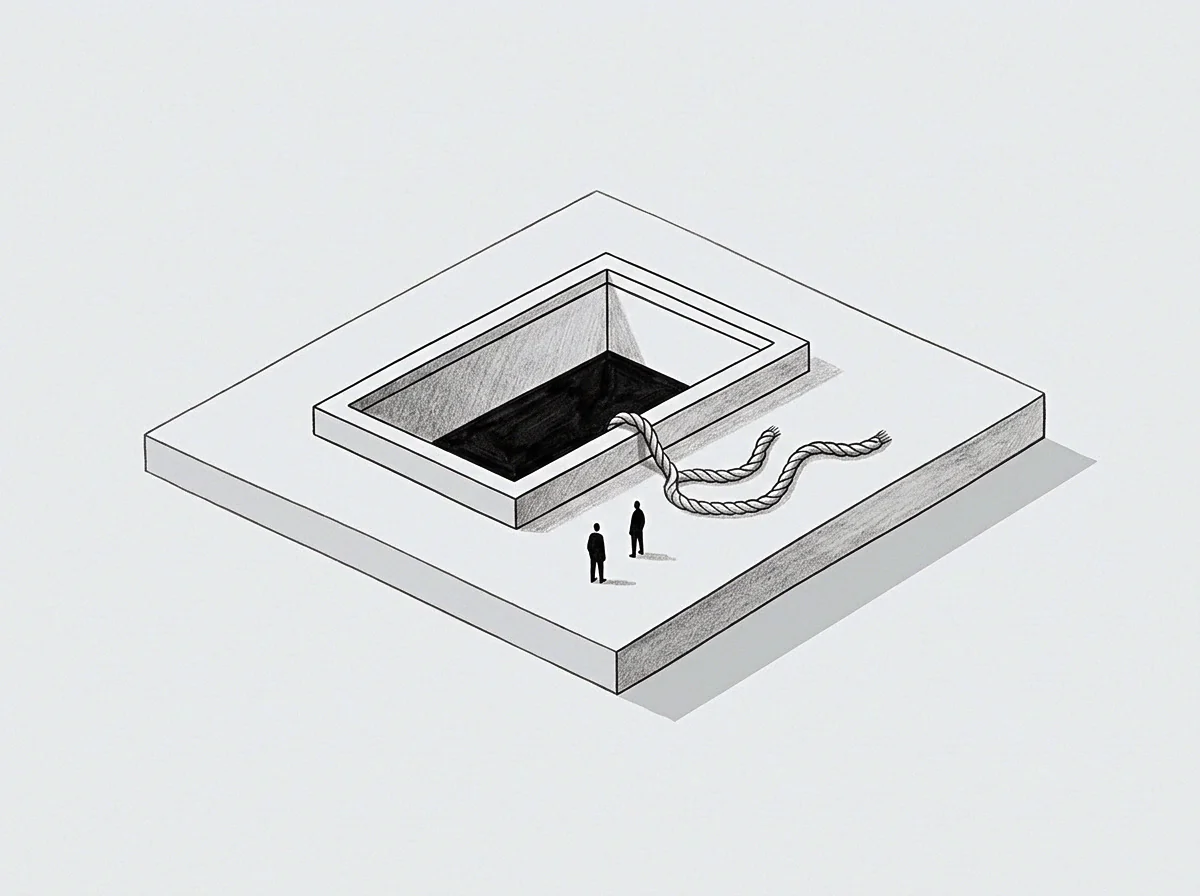
Operational Authority Transfer in Engineering Operations
Delegating technical operations requires separating daily tactical authority from corporate governance. Tactical decisions cover release schedules, hiring, refactoring, and vendor contracts under agreed financial limits. Governance covers equity, acquisitions, annual budgets, and strategic pivots.
Once a founder leaves the chief technology officer role for the board, everyday architectural choices shift entirely to the successor.
A formal transfer agreement sets the parameters for operational decisions. The incoming officer takes responsibility for sprint cadences, technical debt, and team organization. While the founder retains board voting rights, direct access to code repositories and internal planning sessions ends.
Without this split, ambiguous authority delays deployments and weakens accountability across engineering.
An unwritten operational veto turns every routine technical decision into an informal board meeting.

Decoupling Execution Seat from Governance Seat
Separating ownership from management protects the autonomy of incoming leadership. Founders sometimes equate equity ownership with operational control, assuming a large shareholding permits direct intervention in software design. Equity confers board voting rights and oversight of major transactions, not participation in daily standup meetings after delegation.
Written governance agreements establish these boundaries explicitly.
When a founder steps back from development, the board sets written thresholds for executive intervention. Routine operational decisions below defined risk and budget ceilings remain within engineering. Capital investments or architectural shifts that require new security certifications escalate to board review, limiting micromanagement while protecting asset values.
Holding full operational responsibility without absolute authority over technical infrastructure creates an unworkable management environment.

Scope
Defining authority requires clear financial, operational, and architectural limits. Delegated governance fails when boundaries are described qualitatively instead of numerically. Stating that a new officer handles day-to-day work leads to constant disputes over scope, whereas formal rules define precise boundaries between internal decisions and board consultation.
Categorizing decisions by financial impact, system reliability risk, and vendor commit duration establishes clear operational boundaries. The technical executive works autonomously within these parameters, while the founder monitors performance through standardized board metrics rather than direct codebase inspection.

Technical Decision Limits and Capital Expenditures
Financial parameters serve as the primary control for technical delegation. Engineering leadership retains spending authority up to a fixed quarterly amount for infrastructure, software licensing, and contractors. Any commitment beyond that limit requires formal board approval.
- Autonomous Operating Expenditure Ceiling defines the maximum recurring monthly expenditure the technical successor can approve for cloud hosting, third-party tooling, and contractor agreements without board review.
- Capital Expenditure Threshold sets the single-transaction cap for hardware purchases, long-term data center agreements, or technology acquisitions.
- Vendor Commitment Duration Limit restricts the maximum term length of service contracts signed by technical leadership without board approval.
- Emergency Operational Spend Authority provides pre-approved emergency funds accessible during system outages to restore core service reliability without delay.
Defining these parameters removes ongoing negotiation from routine operations. The technical officer selects vendors and allocates approved budgets, while the board reviews variance reports during quarterly meetings without delaying execution.
Setting an explicit capital expenditure limit of fifty thousand dollars transfers technical debt trade-offs directly to the incoming engineering lead.

Architecture Boundaries and Product Veto Rights
Architectural decisions carry structural consequences beyond annual budgets. Replacing a primary database or changing core programming languages alters the firm’s risk profile and recruiting costs. Formal governance sets clear rules for when structural changes require board notification or approval.
Transition frameworks typically classify decisions into three tiers. Tier one decisions, including codebase refactoring, dependency updates, and feature releases, fall entirely under the technical lead. Tier two decisions, such as major API changes, product deprecation, or security updates, require written board notification.
Tier three decisions, covering platform rewrites or moving core data locations, require formal board consent.
Under the transition charter, any technical change causing a recurring cost increase over twenty-five percent or taking more than three months of total engineering capacity requires board approval prior to implementation.

Wire
Communication between delegated technical leaders and board members determines institutional trust. Unstructured check-ins between founders and former subordinates bypass the incoming executive, weakening leadership authority and creating friction. Establishing formal reporting protocols replaces informal channels with structured updates.
Standardized reporting converts subjective observations into objective performance data. Tracking velocity, infrastructure reliability, security compliance, and team retention provides the board with necessary oversight without requiring direct participation in standup meetings or code reviews.
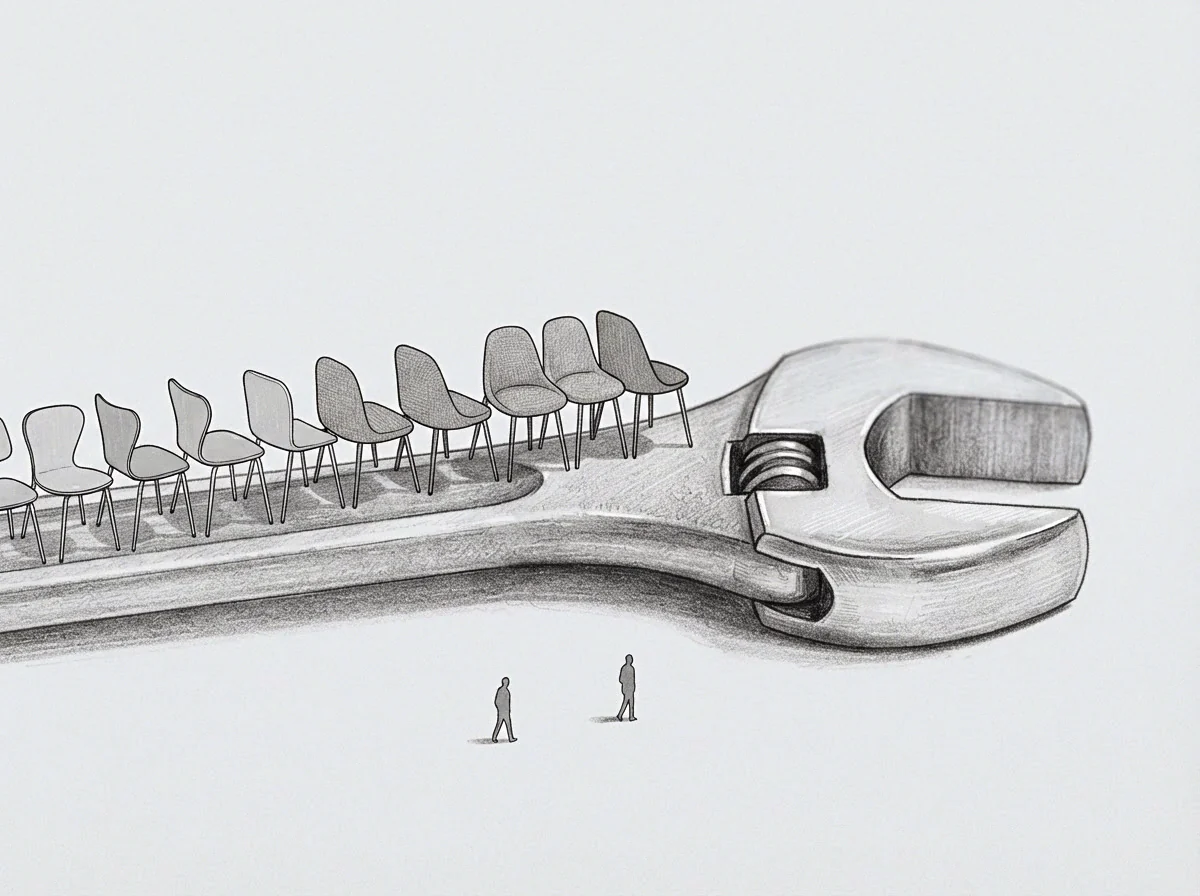
Reporting Cadence and Signal Escalation Protocols
A structured reporting schedule maintains boundaries between management and the board. Monthly operational reports replace informal check-ins, with the technical lead presenting data on system uptime, security incidents, sprint velocity, and budget variance.
Escalation triggers dictate when immediate board notification is required between monthly updates. Critical security breaches, unbudgeted outages exceeding SLA thresholds, or the loss of key personnel require prompt notification, containing routine issues within daily operations while escalating structural risks.
Governance interventions decay in effectiveness whenever execution rules remain unwritten.

Can Engineering Architecture Veto Operational Schedules?
Disagreements arise when product launch target dates conflict with technical debt maintenance. Early on, founders often resolve these disputes by decree, prioritizing short-term targets over codebase health. Once execution is delegated, balancing delivery speed against system stability falls to the technical lead.
The governance charter specifies whether technical leadership holds veto authority over release dates when core system stability or security is compromised. If system performance falls below agreed baselines, the technical lead can pause feature deployments, leaving the board to review commercial impacts during scheduled meetings rather than intervening in real time.
| Decision Dimension | Execution Authority (Successor) | Governance Oversight (Founder / Board) | Reversion Threshold |
|---|---|---|---|
| System Architecture | Framework choice, database optimization, code structure | Platform migration, core language changes | Project cost overruns exceeding 30% of budget |
| Engineering Hiring | Staff engineers, managers, individual contributors | Executive appointments (VP, CTO) | Department headcount variance exceeding 15% |
| Infrastructure Spend | Vendor selection within approved operating budget | Budget increases, long-term multi-year commits | Unapproved monthly spend variance over $10,000 |
| Product Delivery | Sprint velocity, release scheduling, patch deployment | Strategic roadmap shifts, core feature removal | System outage duration exceeding SLA limits |
| Operational autonomy remains with the technical successor until explicit reversion thresholds are breached. | |||
Technical and operational decisions carry direct trade-offs.
Establishing operational boundaries within the corporate charter prevents short-term commercial demands from compromising long-term technical stability. The incoming executive maintains operational authority while the board monitors metrics objectively.

Notch
Escalation rules define when delegated authority reverts to board oversight. Delegation is a conditional assignment of operational rights dependent on performance and risk management. When metrics decline or spending limits are breached, governance mechanisms intervene without disrupting organizational momentum.
Pre-established decision gates dictate when board oversight increases. Relying on objective performance criteria rather than founder intuition protects the technical executive from arbitrary intervention while safeguarding the organization against execution failures.

Formal Decision Gates for Systems Architecture
Transition charters outline evaluation gates during founder succession, transferring technical authority incrementally based on operational metrics, timeframes, and security milestones.
- The initial phase requires joint approval between the founder and technical lead for major infrastructure budget changes and senior engineering hires.
- The secondary phase grants operational spending authority up to fifty thousand dollars, reserving board review for multi-year vendor commitments and core platform migrations.
- The final phase completes operational transfer, moving execution control to the successor while board involvement shifts to quarterly risk and financial audits.
Board intervention follows defined escalation protocols.
When operational parameters are breached, such as consecutive quarters of missed uptime targets or unapproved budget overruns, governance rules trigger a formal audit. The review determines whether to restrict operational authority temporarily or implement corrective action plans. Mismanaging this process often causes executive turnover and lost technical momentum.

Hold
Complete governance disengagement requires the founder to step back entirely from daily execution and operate exclusively from the owner seat. This means exercising authority through board voting, equity governance, and formal reviews rather than informal technical opinions, ending direct involvement in daily development work.
The transition reaches completion when engineering teams look solely to the technical officer for operational guidance, infrastructure choices, and resource allocation. At this point, founder access to production servers, code repositories, and weekly sprint retrospectives is revoked.
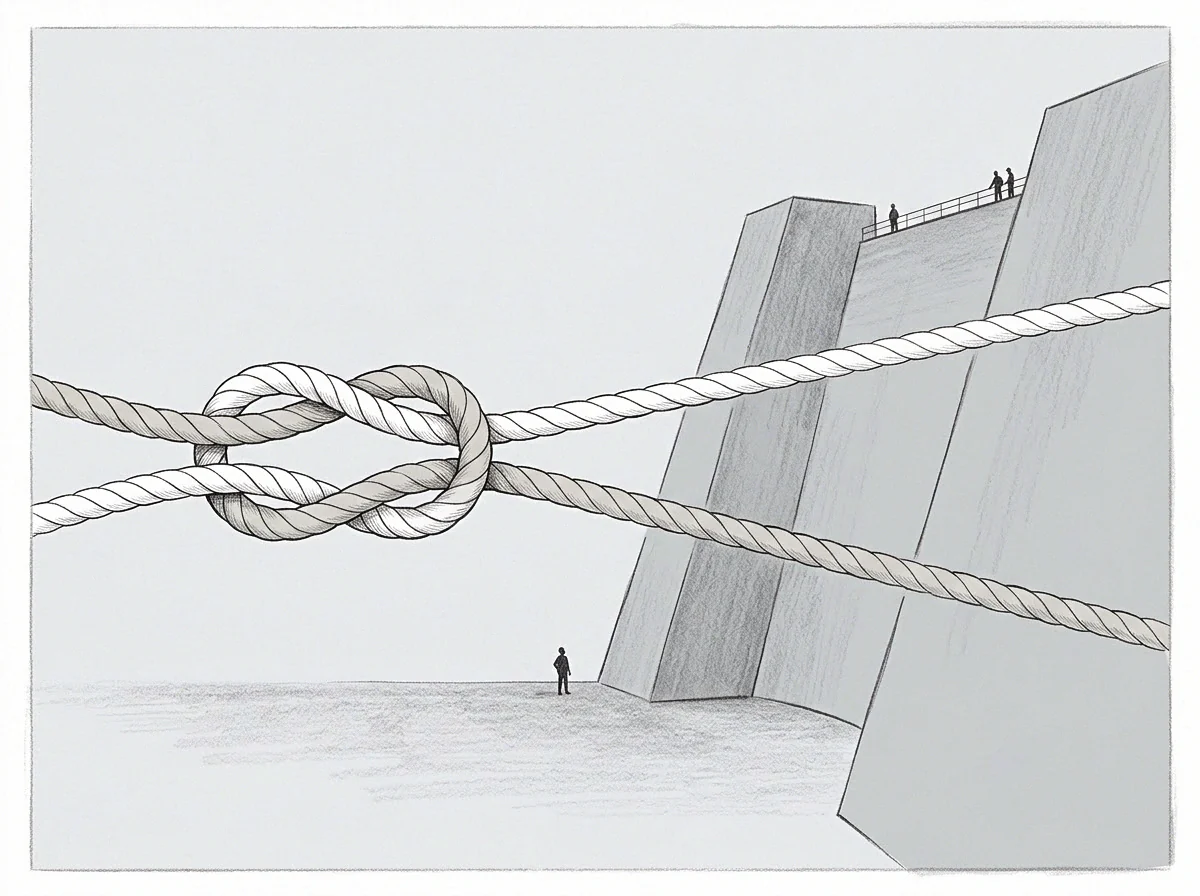
Residual Board Oversight and Operational Disengagement
Maintaining disengagement requires discipline from both the founder and the board. Moving from builder to board member is rarely effortless, and founders often feel compelled to step back into operations during technical crises. The board must enforce governance boundaries, preventing informal interventions that undermine executive authority.
Clear delegation maintains operational velocity as leadership roles evolve.
When board oversight replaces daily code reviews, technical succession shifts from personal intervention to structural accountability.
Organizations achieve stability when governance structures convert informal influence into explicit board oversight. Success relies on clear operational boundaries, financial caps, reporting schedules, and escalation triggers that preserve equity value while granting incoming leadership the independence to scale infrastructure.
How long can an enterprise sustain structural innovation when equity owners retain informal operational vetoes over delegated technical leadership?