Meaning
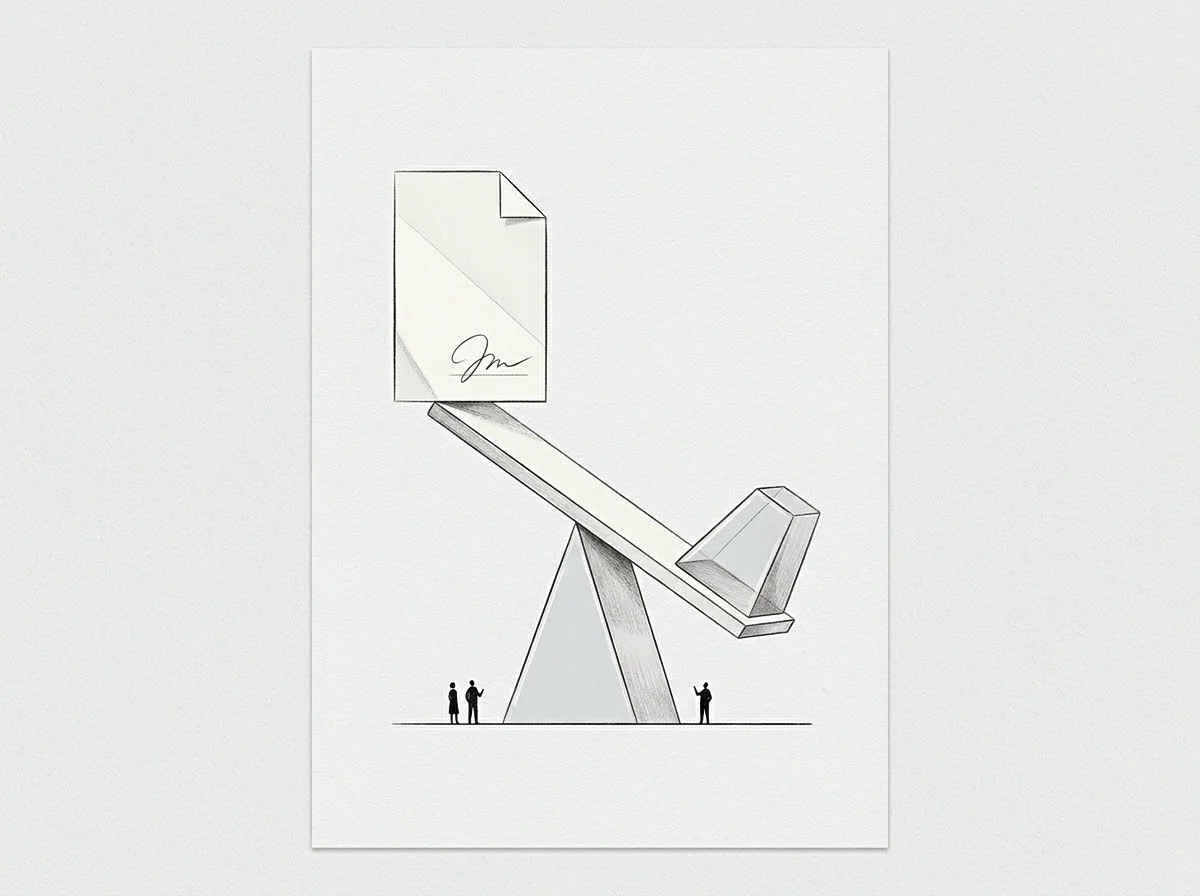
Automated corporate provisions terminate the special voting or board control rights of founders after a specified period or event. A governance sunset ensures that a dual-class share structure automatically transitions to a single-class structure when certain benchmarks are reached. This mechanism guarantees that concentrated power does not persist indefinitely after the original leader has ceased to actively manage the business.
It functions as a pre-negotiated handoff of company control to the broader investment public.
Triggering Mechanism
Specific events such as the founder’s resignation, death, or disability will activate the transition. A governance sunset can also be based on a fixed timeline, such as seven to ten years post-IPO, or on a decline in founder shareholdings. Once the trigger is pulled, all high-vote stock converts to common stock without requiring shareholder votes.
Executive Transition
Forfeiting special governance powers shifts the relationship between the founder and the board of directors. The founder must transition from a position of absolute authority to one where they must build coalitions to influence corporate strategy. This shift requires significant operational energy, as the former leader must adapt to standard minority shareholder rules.
Capital Realignment
Institutional investors typically favor companies with these termination clauses. The governance sunset reduces the long-term risk of an inactive founder holding permanent control over the firm.