Meaning
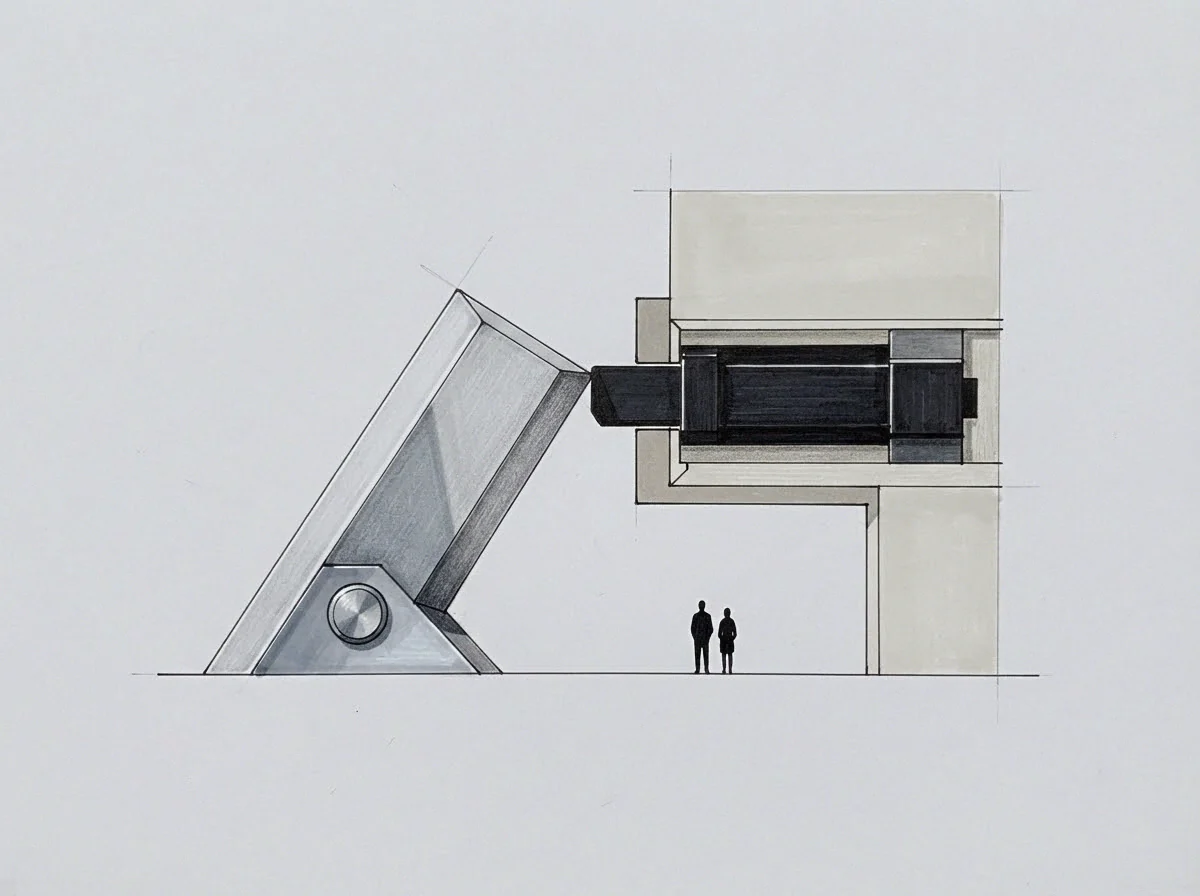
Structural conflicts arise when two leaders possess overlapping authority and refuse to yield on a decision. A jurisdictional deadlock happens when the corporate bylaws or the organizational chart do not clearly define which executive has the final say over a specific resource or project. This state of affairs leads to a total cessation of progress on the disputed matter.
It often occurs in companies with poorly defined roles for the founding team.
Operational Stasis
The immediate effect of such a stalemate is the freezing of all activities related to the disagreement. During a jurisdictional deadlock, teams under the conflicting leaders receive no clear direction and may stop working on the project entirely. This loss of momentum can be terminal for time-sensitive initiatives.
The cost in lost hours and wasted capital grows every day the dispute remains unresolved.
Authority Confusion
Employees find themselves trapped between two managers who both claim the right to issue orders.
Resolution Protocol
Redrawing the organizational chart to eliminate overlap usually resolves the issue. This may lead to the exit of one of the founders if they feel their power has been diminished. Proper documentation of roles provides the primary defense against such a breakdown.