Meaning
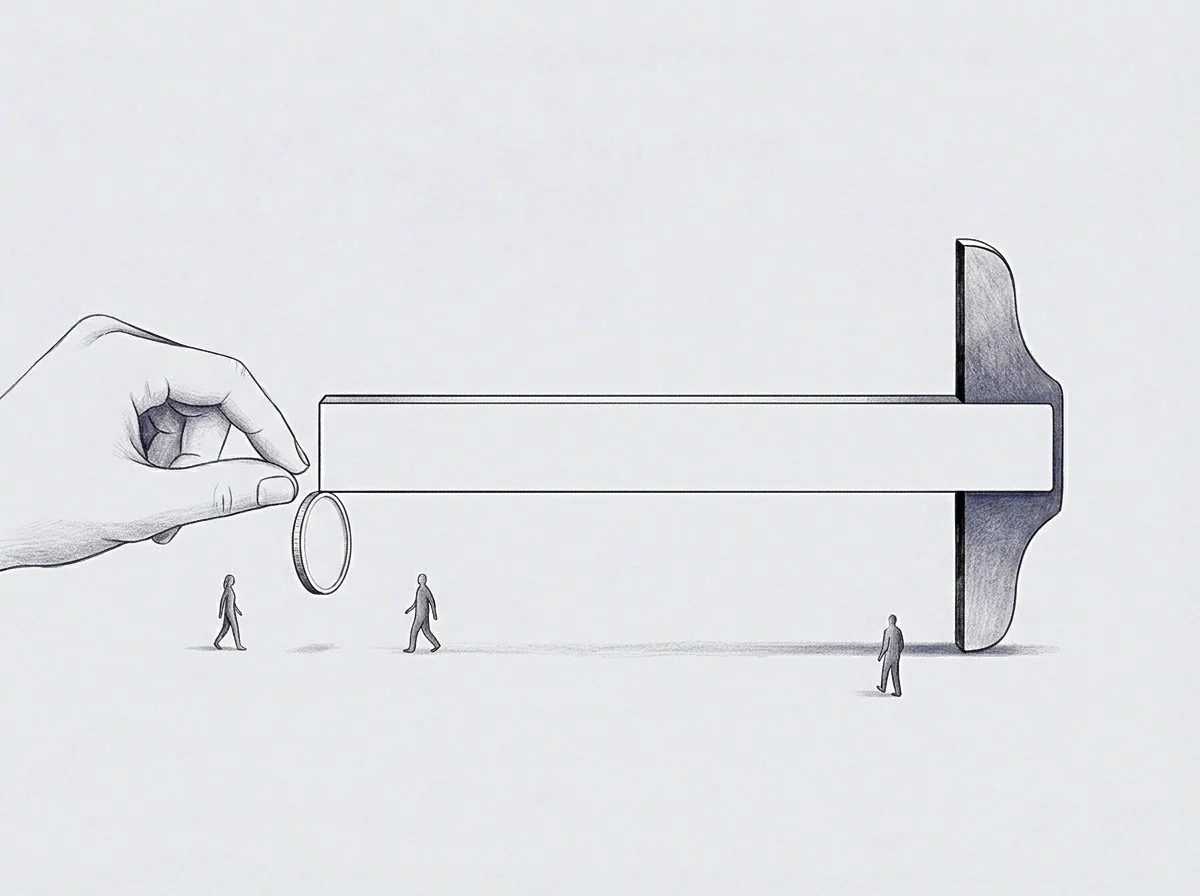
The executive hired or promoted to take over the daily management and execution responsibilities from a company’s original creator assumes a complex operational role. An operating successor must manage the business’s existing processes while introducing the structure needed for scale. This individual must balance the company’s culture with professional management practices.
Their arrival marks the founder’s transition from operator to board member.
Transition Friction
Replacing a company’s builder often introduces friction as staff adapt to a new style of leadership. The operating successor must earn trust from employees who are used to the founder’s direct style. This process is frequently complicated by the founder’s difficulty in stepping back from decisions.
Clear communication and documented boundaries are necessary to prevent executive conflict.
Strategic Autonomy
A new leader cannot succeed without the authority to make major strategic choices. Giving the operating successor room to maneuver means the board must resist the urge to second-guess operational decisions. When the new executive has this freedom, they can realign the team, reallocate resources and modify products to match market shifts.
This independence is necessary for the long-term survival of the company after the creator’s departure. It is often the hardest asset for the creator to hand over, requiring a shift in personal attention from execution to oversight.
Organizational Continuity
Ensuring a smooth transition involves a phased handover of responsibilities and relationships. The operating successor gradually assumes control over client relationships, key vendor partnerships and internal systems. This gradual transfer prevents operational disruptions and maintains investor confidence.
It establishes a sustainable structure where the company’s future does not depend on a single individual.