Meaning
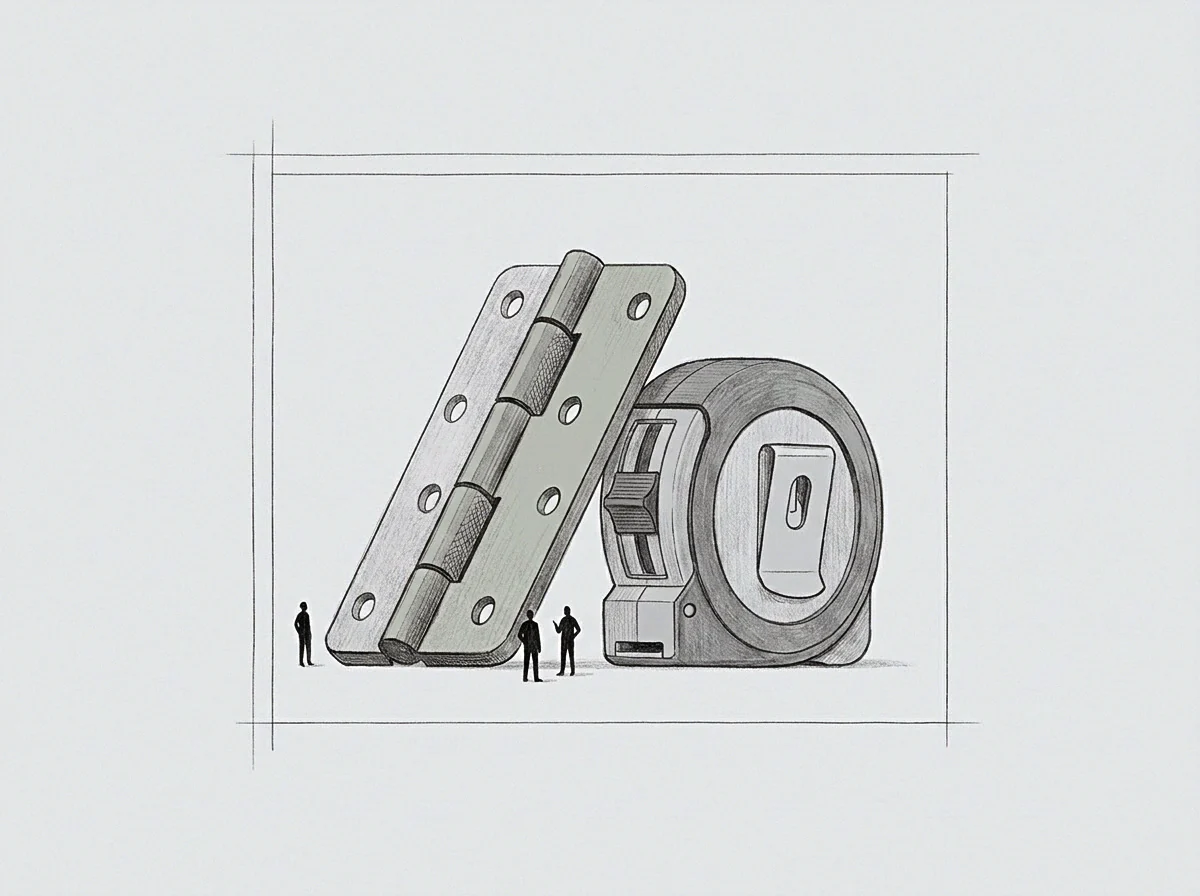
Separation of ownership from daily operational control defines operational cleavage, a structural division that occurs when a founder steps back from executive mechanics while retaining board authority. This administrative split generates a high cost in hours and attention because the founder must interpret fragmented reports rather than observing production directly. Board meetings turn into mediation sessions when management and ownership hold divergent assumptions about enterprise velocity.
Delegation boundaries fail whenever an executive decision requires the implicit authority that only a founder possesses.
Structural Friction
Divergence between strategic direction and tactical execution creates institutional drag inside the firm. Operating managers enforce rules that conflict with the unwritten precedents established during early growth stages. Communication channels clog as middle layers filter bad news to protect their standing before the board.
Capital allocation requests stall because neither party holds both the mandate to spend and the accountability for the P and L.
Authority Boundary
Control over assets does not guarantee influence over personnel once administrative distance widens. Founders rely on formal governance procedures instead of informal influence, which slows every emergency response to market shifts. Operating executives build internal coalitions that make their removal politically costly for the owners.
Decisions regarding executive compensation turn contentious when performance metrics fail to capture intangible contributions.
Governance Cost
Supervision overhead multiplies as every strategic adjustment requires formal documentation and resolution drafting. Personal energy drains rapidly during the translation between shareholder expectations and operational reality. Enterprise value erodes when governance disputes consume the hours previously dedicated to product strategy.