
Aligning Financial Consideration Timelines With Operational Account Handover Requirements In Professional Services
Aligning deferred financial payouts with verified account handover milestones prevents premature partner departure and protects client retention in professional services firms.

Lock
An exiting partner signs an agreement disbursing thirty percent of deferred equity value upon closing, with the remaining balance tied to annual firm revenues rather than account-level client continuity. Six weeks later, the primary relationship lead on a ten-million-dollar advisory account stops attending weekly client syncs, leaving an associate to field strategy inquiries without historical context. The client notices the shift in decision-making authority, interprets the absence as institutional neglect, and initiates a vendor review before the end of the second fiscal quarter.
Payout schedules tend to treat account departure as an isolated transaction date, while an operational handover works through months of practical contact and working trust. Deferred compensation, earnouts, and equity buyouts routinely disburse capital against fixed calendar dates or high-level revenue hurdles. These metrics do not reflect whether a successor understands account history, master agreement terms, or the working dynamics with executive sponsors required to preserve client spend.
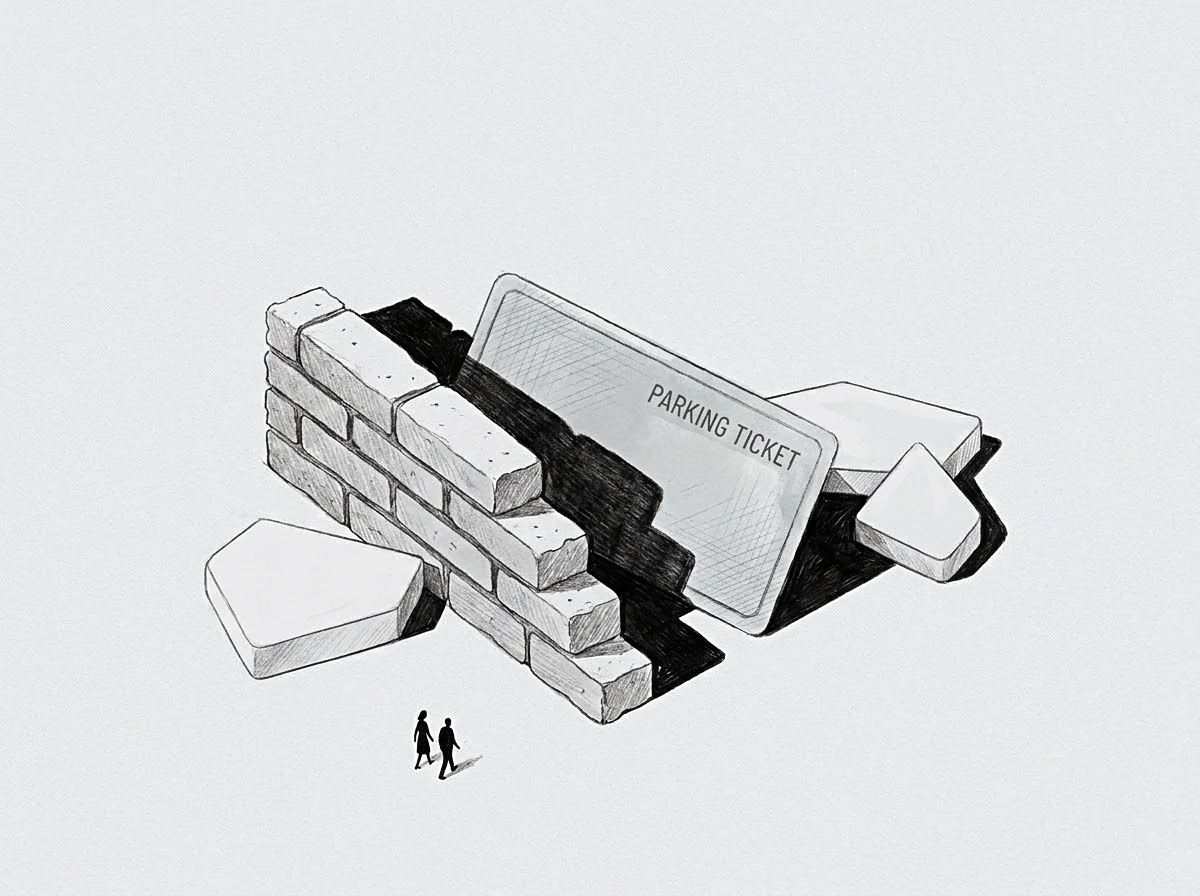
Structural Mismatch Between Payouts and Continuity
Consideration structures in professional services sales often reward historical billings without establishing reasons for a founder to hand over working relationships. Practice leaders carry unwritten institutional memory about how their clients operate. When purchase agreements tie payouts purely to the calendar, departing leaders step back from day-to-day operations as soon as the closing paperwork is signed.
Deferred equity disbursements tied solely to time elapsed systematically induce early partner withdrawal while account relationships remain operationally fragile.
Client retention slips when a purchase contract treats handover as an administrative sign-off rather than demonstrated competence. The incoming lead takes over billing lines, yet the client continues calling the former partner for strategic direction. When legal terms permit complete financial payout while this dual dependence continues, the buyer assumes the full financial fallout if the client leaves.

Decoupling Consideration Tranches From Calendar Dates
Aligning financial schedules with account retention means tying payouts to operational milestones rather than fixed dates. Payment agreements must lock capital tranches behind concrete events: joint planning sessions with the client, complete file migration, and independent governance by the incoming lead. Without these specific hurdles, the former practice owner has little incentive to help the new team through early delivery friction.
Agreements should specify that release conditions depend on the successor demonstrating sole authority over project scope, billable rates, and strategic reviews. Attaching capital distributions directly to these operating milestones keeps the exiting partner engaged through the transfer. Without this contractual connection, partners disengage prematurely, leaving accounts open to competitor bids within months of closing.

Staging
Operational handovers require a sequence of clear phases, starting with shadowing and ending with full operational authority for the successor. Tacit knowledge about executive preferences, fee sensitivities, and undocumented project parameters cannot transfer through a file share or an introductory conference call. Practice leaders routinely mistake shared drive access and old billing files for an account handover.
When an operational handover lacks deliberate sequencing, client relationships erode quietly. An incoming lead may hold the formal title but lack the internal background needed to handle client disagreements. This operational deficit exposes the business to revenue loss even while the departing partner stays on as an advisor.

Pathologies of Rushed Operational Transitions
Firms attempting to accelerate account handovers without structural safeguards encounter predictable failure patterns during client transitions.
- Documentary Substitutive Bias occurs when managing directors assume shared digital folders substitute for active relationship shadowing, leaving incoming teams without context on unwritten client expectations.
- Authority Bifurcation arises when the departing partner maintains informal contact with client executives, undercutting the successor’s credibility during initial fee negotiations.
- Tacit Leakage takes place when implicit account history, such as historical dispute concessions or key stakeholder preferences, is forgotten because no systematic exit interviews occurred.
- Precocious Scaffold Removal happens when support structures are eliminated before the incoming lead establishes independent trust, causing client anxiety at the first project delivery challenge.

Establishing Scaffolding Mechanisms
Protecting account revenue requires a working transition structure where delivery responsibilities transfer in stages while financial accountability remains shared. Early on, the departing partner runs client calls while the successor manages delivery internally. Over set periods, these positions reverse until the successor runs governance meetings and the senior partner attends purely in support.
Scaffold removal succeeds only when the incoming account lead executes major commercial decisions without direct intervention from the departing partner.
Consideration releases need to track this gradual step-down in operational support. Capital tranches paid during the transition should tie directly to joint delivery targets and verified client feedback. Connecting financial releases to this staged withdrawal prevents sudden management gaps that prompt clients to rebid the work.
The account will destabilize if the former owner answers executive calls directly instead of handing those conversations to the incoming lead.

Balance
Comparing consideration structures against operational transition outcomes shows clear differences in client retention and revenue durability. Lump-sum payouts at close create high risk for the buyer, whereas earnout arrangements tied to account performance protect recurring revenue.
The comparative model below illustrates how varying financial structures directly dictate partner behavior and subsequent client account continuity performance over a twenty-four-month post-handover period.
| Consideration Model | Financial Disbursement Trigger | Operational Account Handover State | Residual Client Retention Impact |
|---|---|---|---|
| Upfront Capital Lump Sum | Closing date signature completion | Unstructured document dump without active shadowing | High churn risk within twelve months post-exit |
| Time-Vested Deferred Equity | Elapsed calendar months (12 to 36 months) | Passive partner presence with delayed authority transfer | Moderate attrition caused by authority confusion |
| Gated Milestone Earnout | Verified client sign-off and successor governance | Systematic co-delivery and phased relationship migration | High retention stability across primary accounts |
| Hybrid Retainer Holdback | Account renewal execution and revenue stability | Active advisory availability for critical account issues | Maximum relationship preservation and margin growth |

Why Do Unaligned Consideration Structures Cause Client Churn?
Payout schedules that release funds irrespective of client retention give exiting partners little reason to hand over commercial relationships. When a practice leader collects earnout payments simply for remaining on payroll, client departures six months after the deal carry no personal financial penalty. The acquiring firm absorbs the resulting loss in practice valuation alone.
Structuring financial incentives around account health creates shared interest between sellers and incoming managers. When earnout capital depends on contract renewals and documented service transfers, departing founders spend their final months helping successors manage client relationships. Operational handover shifts from a burdensome formality into the direct path for securing the buyout.
Under the performance retention clause, twenty percent of the total equity purchase price remains held in escrow until the target client account successfully executes its annual service contract renewal under the incoming management team.

Anchor
Drafting deal documents requires specific language that conditions disbursements on operational milestones. Contracts must clearly define a completed handover through mandatory joint client sessions, documented procedural transfers, and successor-led contract extensions. Broad clauses obligating a seller to assist with general transition matters remain unenforceable and fail to protect the investment.
Escrow provisions and holdback structures provide the financial leverage needed to ensure partner cooperation throughout the handover period. Holding a meaningful portion of deferred consideration in escrow until retention targets are met prevents later conflicts over partner effort and relationship stability.

Designing Gate Metrics for Financial Releases
Operational account transfer requires objective verification before capital disbursements occur. Defining these metrics ensures that financial teams and practice leaders evaluate handover readiness against identical standards.
- Primary executive introductions conducted across all major client decision-makers with documented contact logs.
- Independent management of quarterly client business reviews by the successor lead without departing partner participation.
- Formal audit and transfer of all historical pricing models, custom service level agreements, and client delivery preferences.
- Written execution of account continuity agreements or contract renewals under the successor practice team.
Clawback provisions should accompany holdback structures to address account losses caused by inadequate handover participation. If an account terminates due to neglected transition obligations during the earnout period, clawback language allows the firm to recover revenue deficits from remaining equity payments.
A financial consideration timeline without holdback reserves surrenders all operational leverage over the exiting partner before account stability is established.
Escrow balances reserved for operational targets should release in stages rather than in a single payout at the end of the term. Matching these releases to client renewal dates keeps the exiting partner engaged during annual contract discussions.
Payout schedules align with business reality when earnout distributions reflect contract renewal cycles rather than internal fiscal quarter ends.

Pledge
Preserving practice value requires operating procedures that survive individual partner departures. If an organization runs entirely on personal ties between founders and customer executives, client retention will falter regardless of how strictly earnouts are scheduled. Managing succession effectively means institutionalizing account relationships well before formal sale discussions start.
Informal client trust cannot be reduced entirely to written records, which leaves unavoidable vulnerability whenever a senior leader departs. Recognizing this dynamic allows deal architects to factor client attrition into valuations and earnout terms. Valuation models that price in non-transferable personal relationships protect acquiring firms from overpaying for founder-dependent practices.

Sustaining Account Stability Post Exit
Governance after closing requires tracking account activity closely to identify early signs of client disengagement. Revenue retention, project scoping volume, and executive meeting frequency offer direct insight into how the successor is performing. Monitoring these numbers through the deferred consideration period gives leadership room to step in before contract disputes lead to cancellation.
New practice leads must take full operational control once contractual handover gates are passed, ending informal oversight by former owners. A clear division of roles establishes the successor’s credibility and confirms to the client who handles fee setting, scope changes, and project delivery.
How much capital consideration should remain permanently contingent on client retention when executive relationships cannot be operationalized into firm-owned processes?