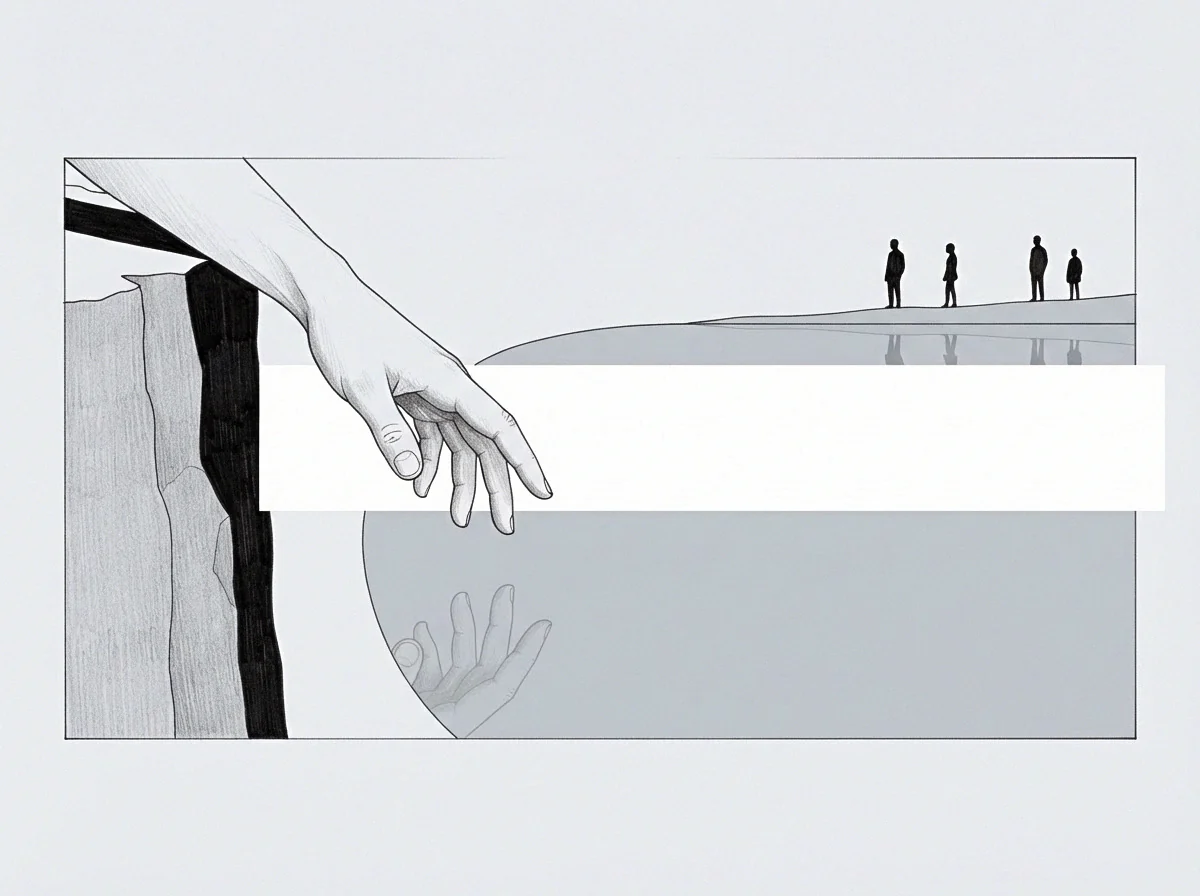
Meaning
Structural degradation occurs when organizational complexity outpaces the capacity of established systems to maintain predictable output. Operational entropy describes this systemic decay as individual processes lose cohesion due to the accumulation of informal workarounds and legacy protocols. Such fragmentation demands increasing amounts of administrative energy to achieve identical results over time.
This force creates friction within the transition from a founder-led environment to a delegated management structure.
Systemic Drag
The phenomenon requires constant calibration of decision paths to prevent total procedural paralysis. Managers occupying a seat often mistake this energy drain for poor performance by subordinates. Instead, the loss of output efficiency stems from the friction between archaic rules and current market needs.
Each additional layer of oversight increases the potential for miscommunication across the entity.
Resource Depletion
Capacity within the management role shifts toward maintenance rather than innovation as the disorder settles. Hours formerly dedicated to strategy find their way into the resolution of recurring bottlenecks and procedural disputes. Executives discover that high energy expenditures fail to recover lost momentum when the underlying architecture remains fragmented.
Every attempt to fix a single component without addressing the systemic nature of the decline accelerates the arrival of total stall.
Structural Limit
Boundaries for this decay appear when the cost of maintaining existing processes exceeds the revenue generated by them. Equilibrium holds only until the complexity reaches a density where the energy required to transmit information exceeds the value of the signal. Total system failure arrives if the entity lacks the capability to prune its internal architecture through systematic removal of defunct protocols.
Persistent operational entropy necessitates a complete audit of all standard procedures to restore organizational velocity.