
Structural Decomposition Of Core Operational Seats In Small Firms
Structural decomposition isolates fused operational functions into distinct seats with explicit governance, preventing role strain and systemic firm failure.

Block
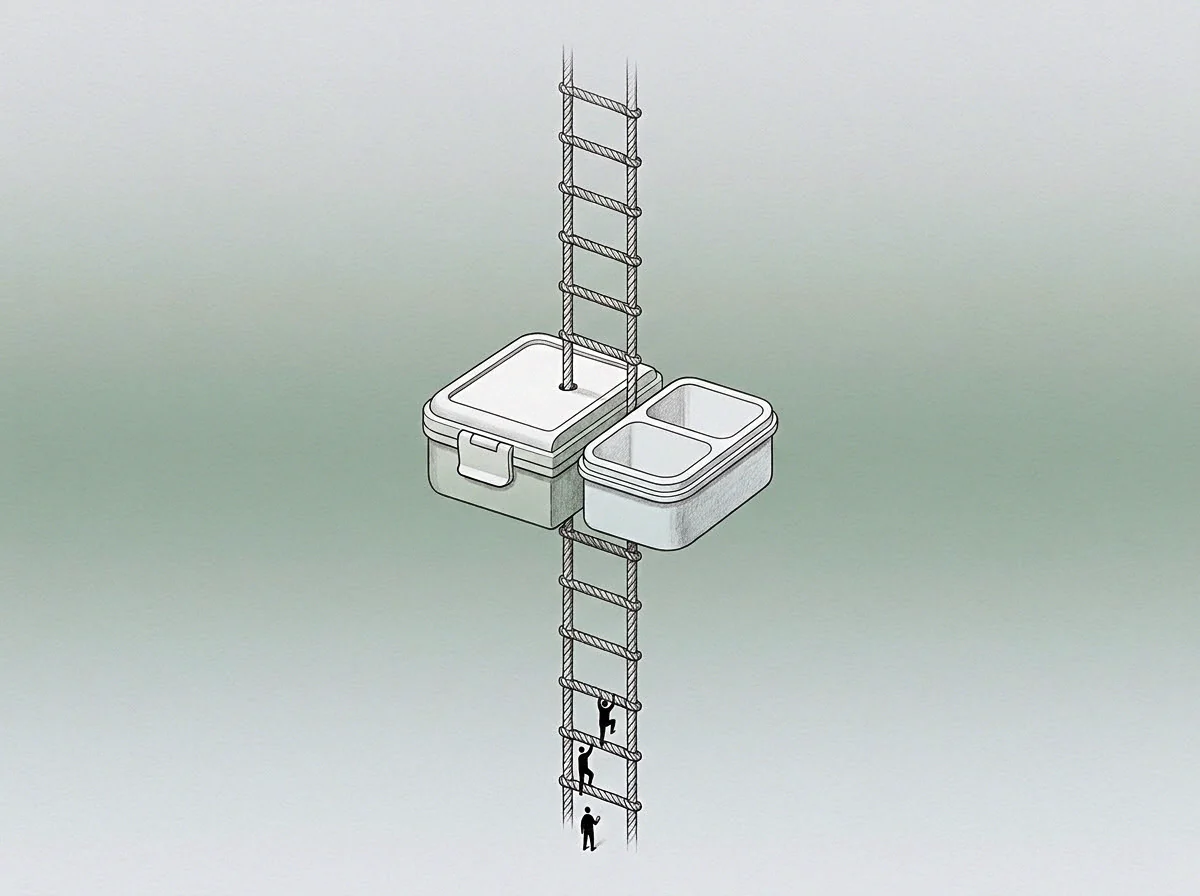
A person answers client tickets at midnight after spending ten hours managing payroll and revising product delivery timelines. The working calendar records fifty-five hours across seven days, yet the firm operates without functional differentiation. The titles on the registration documents say director or partner, but the operating reality consists of unexamined labor aggregated into a single schedule.
When multiple operating functions settle into one human schedule, the firm mistakes individual endurance for an organizational design. A small enterprise operates through distinct functional positions, termed operational seats, each possessing defined governance, explicit cycle times, and distinct performance limits. In early-stage and owner-managed enterprises, these seats fuse invisibly into the daily habit of whoever holds the equity.
A fused operational seat conceals its true hourly demand until the person occupying it attempts a structural transfer.
Decomposing these fused functions requires separating the human identity of the owner from the structural duties required to keep the business solvent. Role theory in industrial psychology identifies that unarticulated position boundaries generate role strain, a measurable psychological and structural friction arising when incompatible behavioral expectations collide within a single actor. The technician executes immediate task output, the manager coordinates workflows and allocates resources, and the founder-owner assigns capital, absorbs legal risk, and determines strategic direction.
Consequences Of Operational Aggregation
Operating without structural decomposition produces distinct organizational failures that compound as transaction volume expands. When functional duties remain implicit, operational knowledge stays tacit, preventing effective delegation and binding company valuation directly to individual presence.
- Tacit Task Retention prevents standard operating documentation from emerging because the operator performs multi-level interventions instinctively throughout the business day.
- Capital Misallocation occurs when high-cost ownership attention addresses low-complexity technician bottlenecks instead of structural capacity limits.
- Compensation Distortions hide true operational labor costs behind equity draws, creating an artificial calculation of net operating margins.
An unresolved question this structural consolidation leaves open is whether an early-stage firm can achieve operational stability while its governing equity holder continues to perform baseline technical execution without documented functional boundaries.
Switch
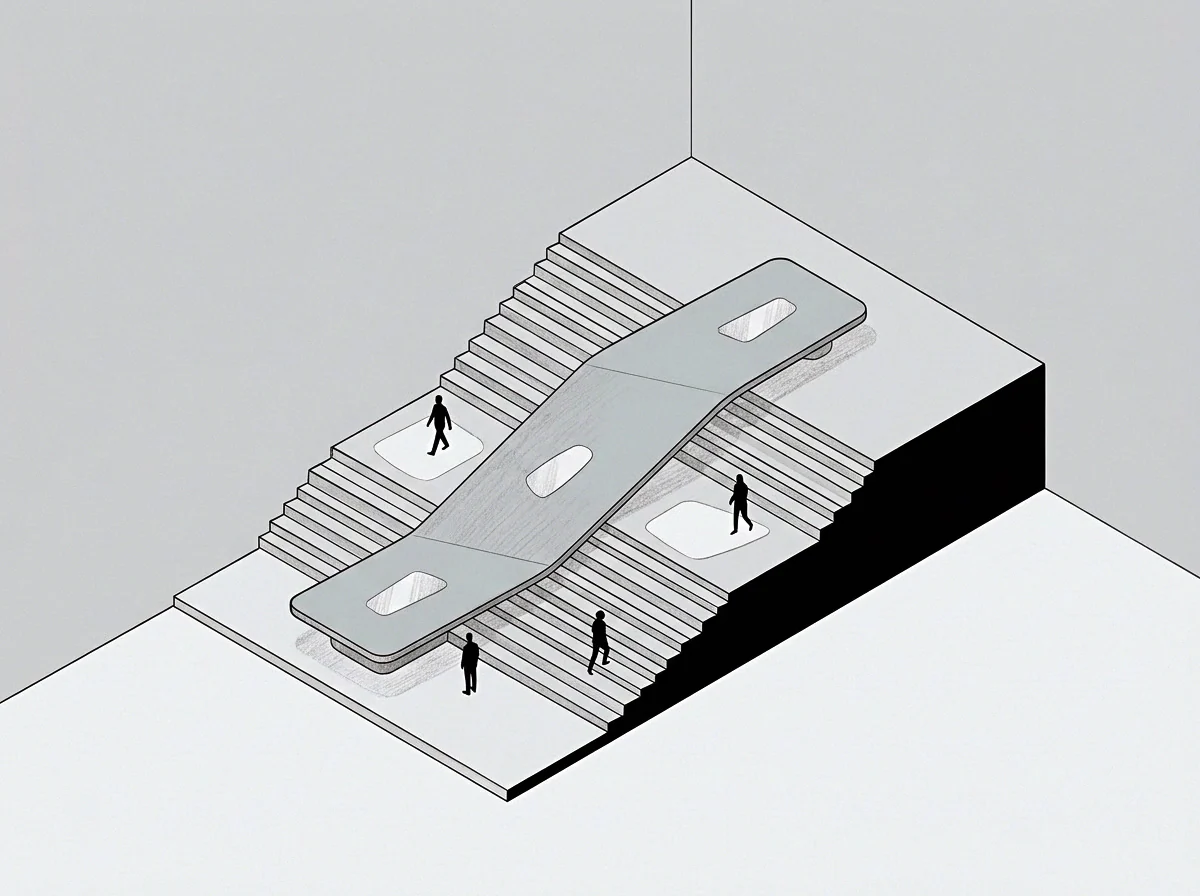
Cognitive switching between disparate operational levels imposes measurable friction on executive capacity. The transition from technical production to administrative management and high-level strategic governance requires distinct cognitive modes, each operating on divergent time horizons and evaluation metrics.
Laboratory research into task-set reconfiguration demonstrates that alternating between disparate task rules incurs a persistent latency penalty and an increased error rate. When an operator shifts from writing software code or fabricating materials directly to evaluating middle-management compensation structures, the brain must suppress the rules of technical production to activate administrative governance protocols. This friction is role conflict, defined as the simultaneous occurrence of two or more sets of structural pressures where compliance with one makes compliance with the other more difficult.
Temporal Disparities Across Operating Functions
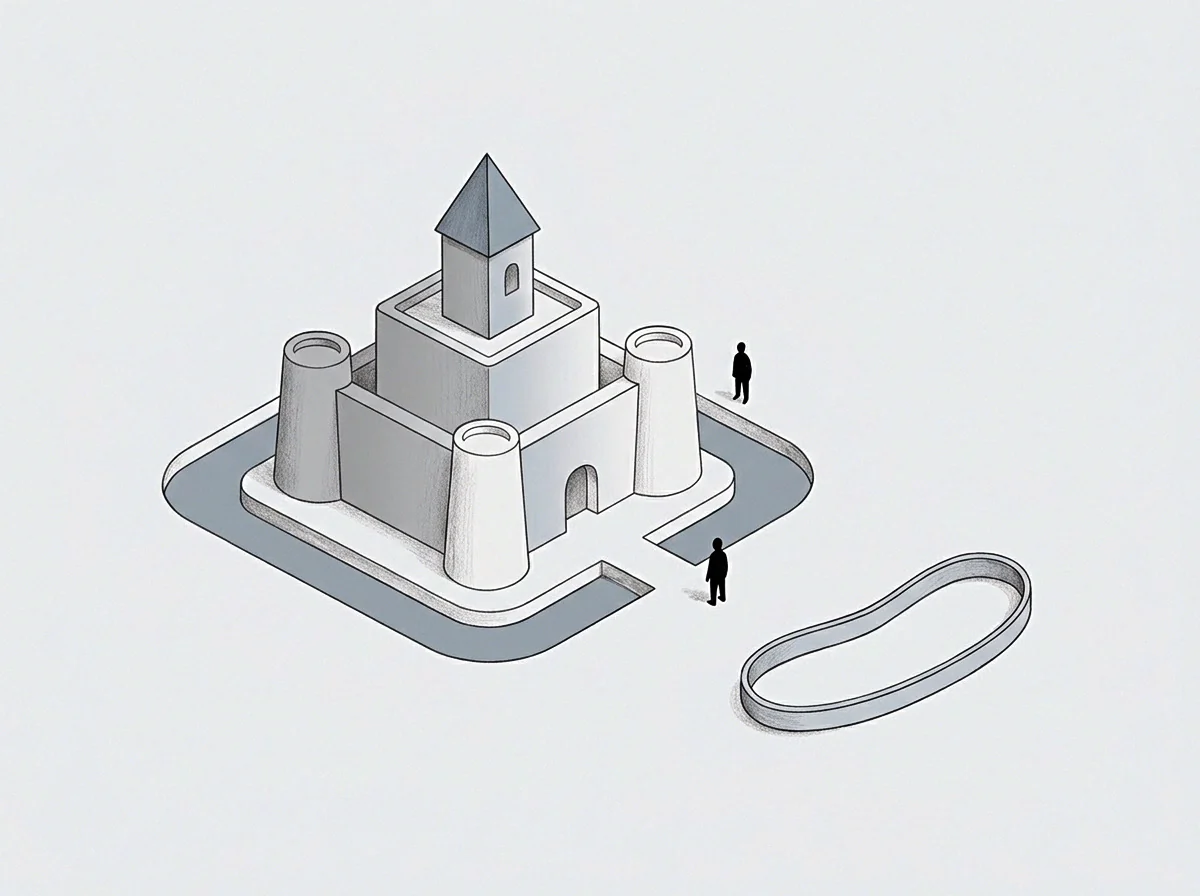
The core tension across operational positions originates in their underlying cycle times. The technician seat operates within an hourly or daily feedback loop where output is immediate and tangible. The manager seat functions across weekly and monthly cadences focused on resource utilization, process velocity, and variance reduction.
The ownership seat operates on multi-year horizons centered on return on invested capital, market positioning, and legal liability.
Frequent transitions between immediate production cycles and long-term capital allocation systematically degrade the execution quality of both seats.
When these three horizons compete for attention within a single afternoon, the shortest horizon consistently consumes available attention. Tactical emergencies displace strategic capital deployment. The operator remains trapped in urgent technician loops, leaving managerial governance unattended and ownership duties completely dormant.
Every operational arrangement contains friction, and the structural design simply determines where that friction is paid.
Board
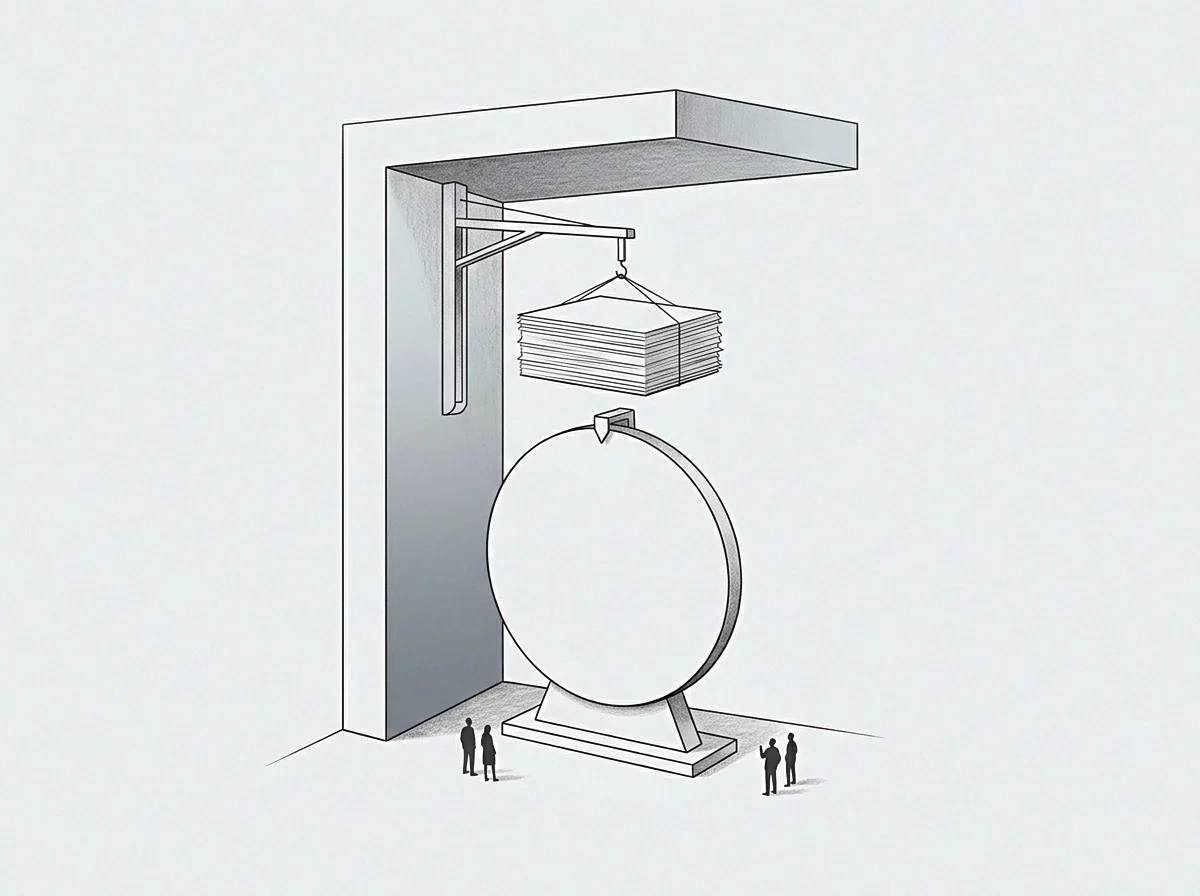
Decomposing an operational structure begins with mapping the functional attributes of the core seats. The enterprise functions cleanly only when the boundaries, cycle times, and distinct outputs of each position are documented independently of the individual currently filling them.
| Seat Designation | Operational Time Horizon | Primary Output Metric | Decision Authority | Typical Role Strain Mode |
|---|---|---|---|---|
| Technician | Hourly to Daily | Task completion volume and production accuracy | Execution tactics within established parameters | Burnout from continuous manual task execution |
| Manager | Weekly to Quarterly | Resource efficiency, process velocity, and team throughput | Process design, resource scheduling, and operational spend | Friction from mediating owner demands and technician capacity |
| Founder-Owner | Annual to Multi-Year | Return on invested capital and enterprise valuation | Capital allocation, corporate governance, and entity structure | Isolation and chronic neglect of strategic direction |
Analyzing operational distribution through this structural taxonomy clarifies where enterprise resources are actually expended. A worn seat is carried without deliberate choice or explicit parameters, absorbing excess hours through personal exertion. A held seat operates with bounded hours, explicit performance criteria, and a transparent market cost attached to its duties.

Diagnostic Evaluation Of Functional Overload
Assume an owner-operator business generating two million dollars in gross revenue with twelve full-time employees. The principal founder claims sixty working hours per week, distributed informally across sales engineering, production oversight, customer escalation, and financial administration. Without explicit seats, the business cannot determine whether it requires an additional technical specialist, a full-time operations manager, or a formal governance board.
A structural audit maps actual weekly hours against the three distinct seats. In typical small firms undergoing this decomposition, over seventy percent of the principal founder’s calendar remains occupied by technician and direct managerial firefighting, leaving strategic direction to late-night contemplation. The business operates without strategic governance because the ownership seat receives only residual attention.
The enterprise incurs a compounding structural penalty whenever managerial vacancies are resolved through uncompensated owner intervention rather than deliberate structural hiring.

Draft
Transforming an unarticulated, worn position into a structured, held seat requires formal written parameters. The decomposition process produces an explicit position charter for each operational function, isolating accountabilities from personal identities.
A position charter documents five structural elements: explicit governance domain, recurring weekly and monthly time commitments, non-delegable decisions, quantitative output measures, and market replacement cost. Articulating these terms converts tacit individual habits into transferable organizational assets. The founder who drafts a manager charter establishes the precise operational criteria required before an external hire can occupy the seat successfully.
A position charter converts unstated personal endurance into a quantifiable operational contract.
Drafting these structural parameters frequently triggers interpersonal friction within owner-managed teams. Co-founders who previously shared all decisions informally must confront unequal operational contributions and disparate skill profiles. Clarifying decision rights removes the ambiguous consensus model that slows early-stage execution, replacing informal agreements with defined domains of authority.
Structural Boundary Formalization
Formalizing operational seats establishes organizational stability through specific structural actions. The implementation sequence follows a strict functional order to ensure operational continuity.
- Activity Time Auditing documents every operational task performed over a four-week baseline period, categorizing each entry by its true functional level.
- Position Charter Authorisation assigns explicit hours, metrics, and non-delegable authorities to each identified seat, establishing boundary lines between technical execution and administrative governance.
- Compensation Benchmarking assigns standardized market wages to technician and manager seats, separating operational labor expenses from ownership equity distributions.
- Delegation Sequencing transfers bounded technical seats to dedicated personnel, freeing executive capacity for managerial systems development and capital allocation.
Founders expect this arrangement to run on mutual trust without written boundaries, but operational confusion makes daily execution impossible.

Yield
Transferring an operational seat from an equity owner to an independent operator represents the terminal validation of structural decomposition. The succession fails whenever unwritten tacit knowledge remains embedded in the predecessor rather than encoded into the operating architecture of the firm.
Knowledge transfer research differentiates between explicit knowledge, which is easily codified in procedural manuals, and tacit knowledge, which is acquired through extended direct experience and intuitive pattern recognition. When an owner vacates a technician or manager seat without prior decomposition, the incoming operator inherits an incomplete structural mandate. The new hire faces ambiguous authority boundaries and unarticulated performance expectations, leading to rapid operational stall and executive friction.
A structured handover operates across defined phases rather than an abrupt transition. The outgoing occupant first models the operational seat while documenting edge-case decision criteria. In the secondary phase, the incoming operator executes the seat while the predecessor monitors variance and provides structural feedback.
In the final phase, full decision authority yields entirely to the successor, and the predecessor shifts focus exclusively to higher-level managerial or ownership seats.
The legal employment agreement and operating charter specify that operational decision authority passes completely to the appointed manager, restricting ownership intervention to quarterly board governance and capital review.