Meaning
Service level commitments benchmark the speed and quality of internal task processing against pre-negotiated department targets. In a growing organization, an operational intake SLA establishes the maximum time allowed for a central team to accept and begin working on requests from other business units. This boundary prevents departments from becoming bottlenecks that slow down the entire enterprise.
Processing Threshold
Response windows must be clearly defined to ensure that inbound requests do not sit in queues indefinitely. Under an operational intake SLA, each ticket receives a priority rating that dictates the required resolution time, ranging from a few hours to several business days. This systematic sorting allows teams to manage their workload without constant interruption from impatient colleagues.
Resource Cost
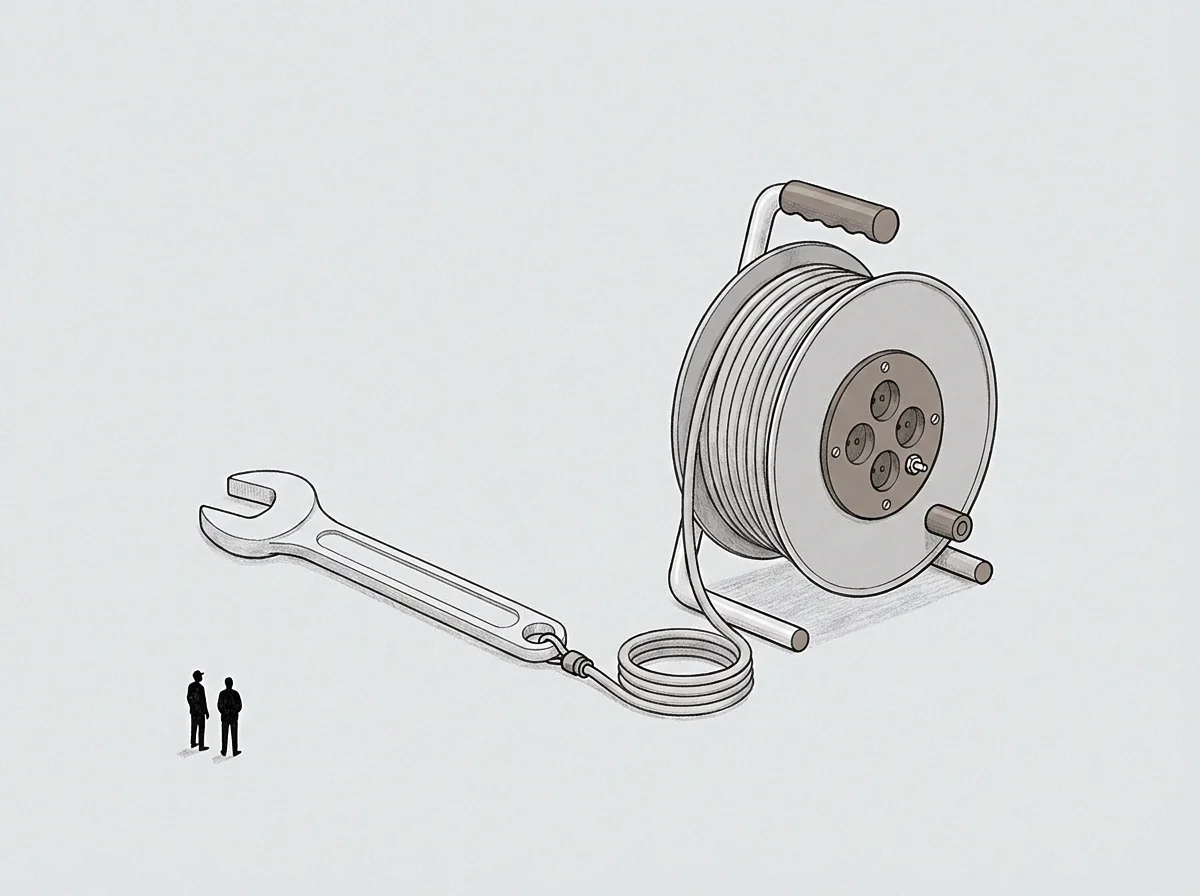
Department leaders face a massive administrative load when they must constantly track their team’s performance against corporate speed targets. Enforcing an operational intake SLA requires dedicated tracking software and regular reports, which consumes hours of managerial time that could be spent on mentoring staff. This administrative overhead is the price paid for predictable cross-department collaboration, forcing managers to sacrifice creative freedom for the sake of auditability.
It changes the nature of departmental leadership from inspiration to measurement.
Escalation Routine
Breaches of service agreements must trigger automated notifications to senior management to prevent long-term process failures. When an operational intake SLA is violated, the system automatically routes the ticket to a higher authority for immediate resource re-allocation. This automated mechanism ensures that executive intervention is reserved only for genuinely broken workflows.