

Managing Structural Role Ambiguity During Executive Handover Sequences
Structural role ambiguity resolves when handover charters assign domain-specific veto rights and eliminate dual escalation paths between executive officers.
Structural role ambiguity resolves when handover charters assign domain-specific veto rights and eliminate dual escalation paths between executive officers.

Structural role strain between executive mandates and engineering capacity resolves when organizations replace absorptive personal labor with gated throughput quotas.

Executive capacity governance requires quantitative risk thresholds that automatically freeze feature deployment when operational telemetry breaches agreed stability limits.

Strategic reporting lines between engineering and executive teams isolate architectural risk from schedule status to preserve system capacity and capital alignment.

Codifying tacit knowledge before executive transition requires structured shadowing and incident debriefs to extract unwritten decision heuristics.
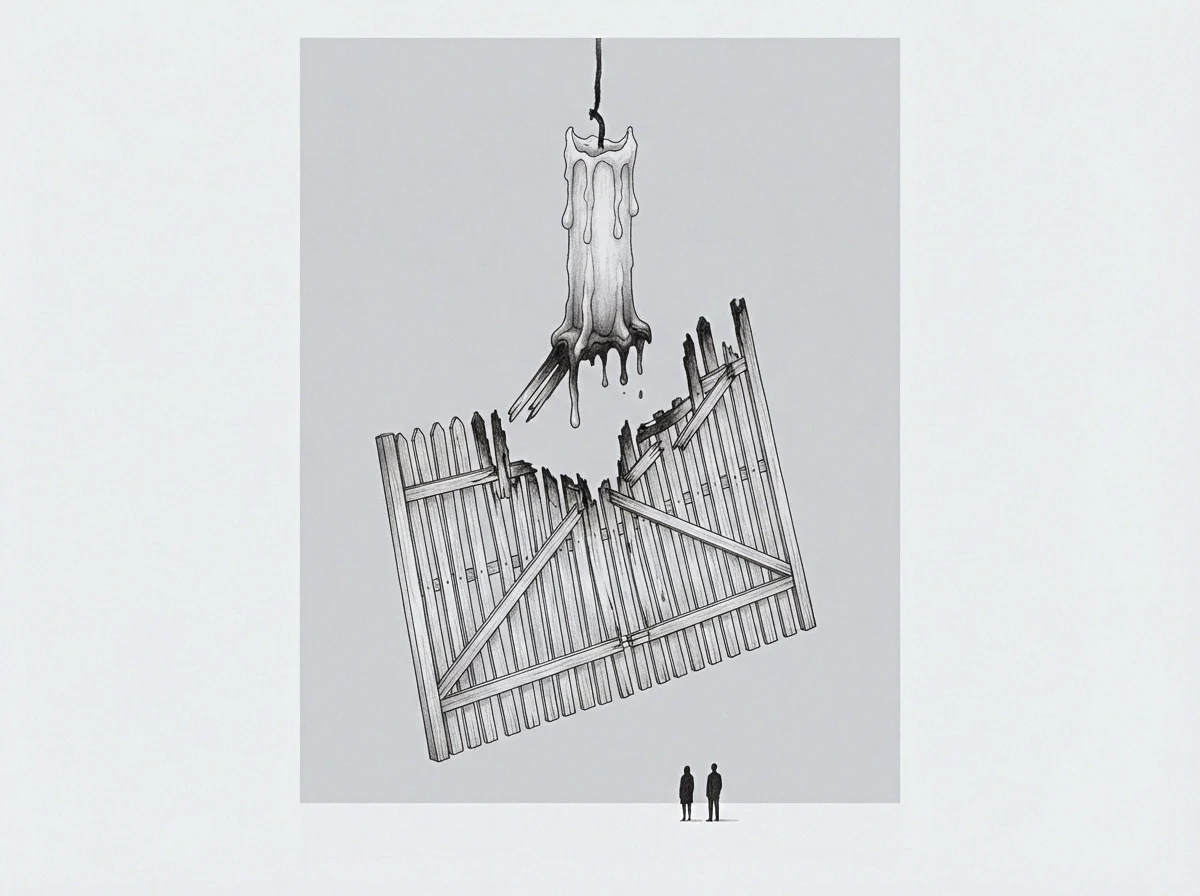
Backlog volume exerts downward gravity on software executives, compressing technician, manager, and corporate seats into a short-horizon triage loop.

Structural contract mechanisms protect strategic capacity in small firms by binding operating partners to explicit executive time covenants and delegation triggers.

Capacity partitioning contracts reserve operational hours for owner operators facing sustained tactical shocks, isolating owner seat governance from technical labor.

Multi-seat founder operators defend strategic capacity by establishing explicit role boundaries, mapping tacit work, and transferring tactical operational duties.

Separating technical production from executive management replaces unpriced tacit labor with explicit governance terms, protecting executive capacity and structural solvency.

Revenue team performance degrades during volatility when unmanaged scope expansion causes high-cost acquisition roles to absorb post-sale support tasks.

Enterprise sales handovers preserve executive attention by gating post-close escalations and transferring operational authority to account teams within ninety days.

Operational position charters decouple executive identity from company functions by explicitly codifying decision rights, metrics, and handover criteria.

Codifying tacit operational workflows into explicit seat definitions eliminates key person dependency discounts during small business equity transactions.

Deconstructing executive roles separates title-based decision rights into distinct functional operating seats with explicit operational cadences and transferrable knowledge.

Operational drift measures the migration of executive attention into tactical technical triage when unresolved product backlogs override governance mandates.

Role margin enforcement protects executive governance during operational crises by setting contractual hours caps and mandatory circuit breakers.

Structural separation isolates technical execution from managerial oversight to eliminate cognitive context switching and clarify organizational decision rights.

A contractual governance matrix separates multi-seat executive roles into discrete legal obligations triggered by objective operational milestones.

Structural decomposition isolates fused operational functions into distinct seats with explicit governance, preventing role strain and systemic firm failure.

Transferring founder-dependent client relationships requires phased authority migration, explicit tacit knowledge codification, and strict boundary enforcement.
The terms are written where they belong. Each field holds three desks, and every entry a desk writes raises the terms it uses, each term given a meaning, a mechanism and the places it appears. The record on these pages stays first person and hand made; the fields grow the nomenclature.