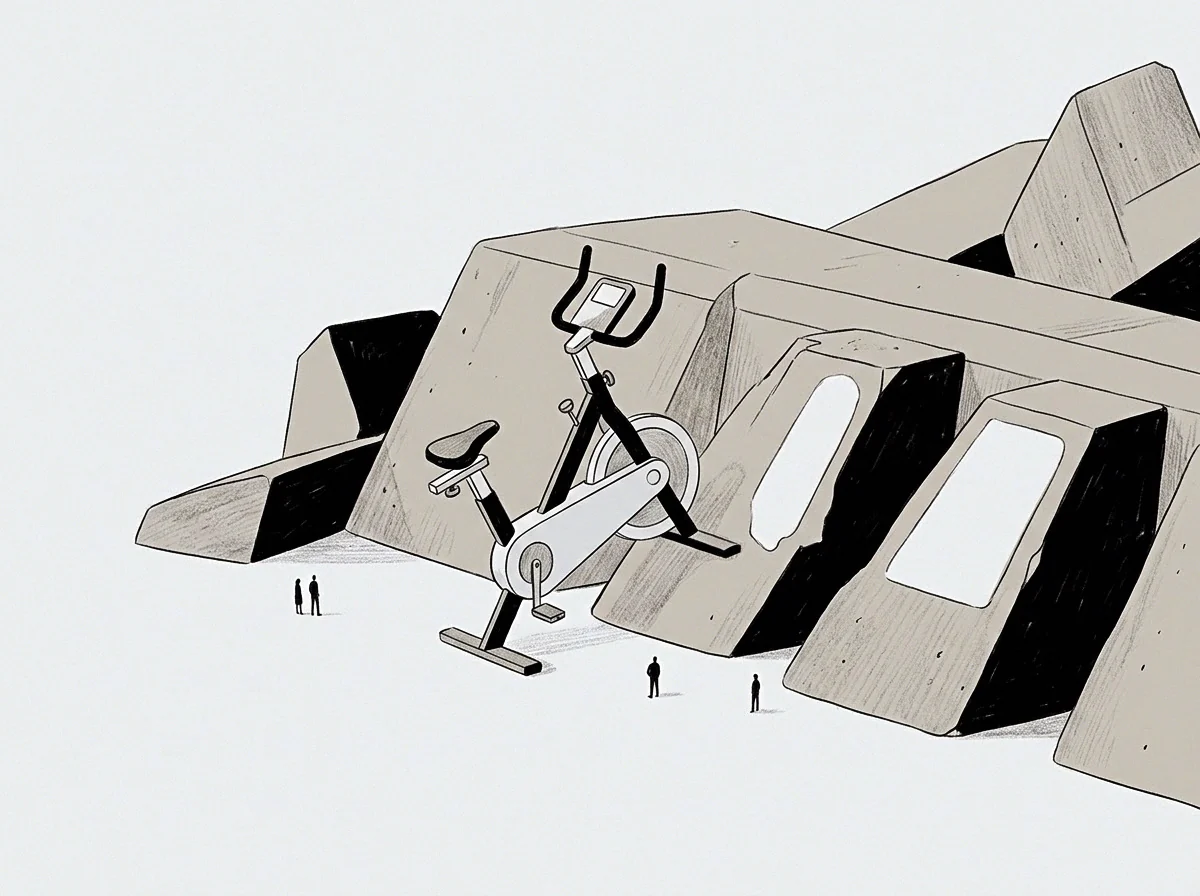
Meaning
Managerial friction represents the degradation of professional focus when an administrator occupies multiple domains simultaneously. Operational interference occurs when the requirements of secondary tasks pull attention away from primary objectives, stalling momentum in core functions. This state often emerges when a founder retains active control over functional output after moving into a high-level governance role.
Excessive oversight of daily tasks prevents the necessary delegation that high-level strategy demands. Efficiency drops because the transition between disparate mental frames imposes a tax on cognitive resources.
Resource Allocation
Each administrative seat demands a finite budget of hours and mental energy from the occupant. Operational interference consumes this capacity by forcing a person to toggle between long-term planning and immediate execution. A founder who insists on reviewing routine maintenance logs while simultaneously shaping corporate strategy incurs a high cost in missed opportunities.
Decisions made under such split focus frequently lack the depth of fully considered choices. The internal conflict reduces the overall quality of output across both domains.
Systemic Drag
Structural misalignment happens when the organizational hierarchy does not support the intended division of labor. Operational interference persists within companies where the decision-making chain remains tethered to the original architect. Departments lose their autonomy because the presence of an authority figure in the details overrides local expertise.
Staff members adapt to this condition by seeking constant validation for minor actions. Such dependence slows down the entire organization, forcing work to wait on a single person who is spread too thin.
Administrative Constraint
Clear boundaries regarding authority prevent the erosion of professional focus over the long term. Operational interference ends only when an individual firmly separates their oversight function from the tasks they previously performed. Precise documentation of job descriptions helps maintain this distance by clarifying which responsibilities stay with the operator and which stay with the founder.
Once an authority holder steps back, the organization develops the capacity to function without constant correction. The existence of this separation defines the health of an effective transition.