Meaning
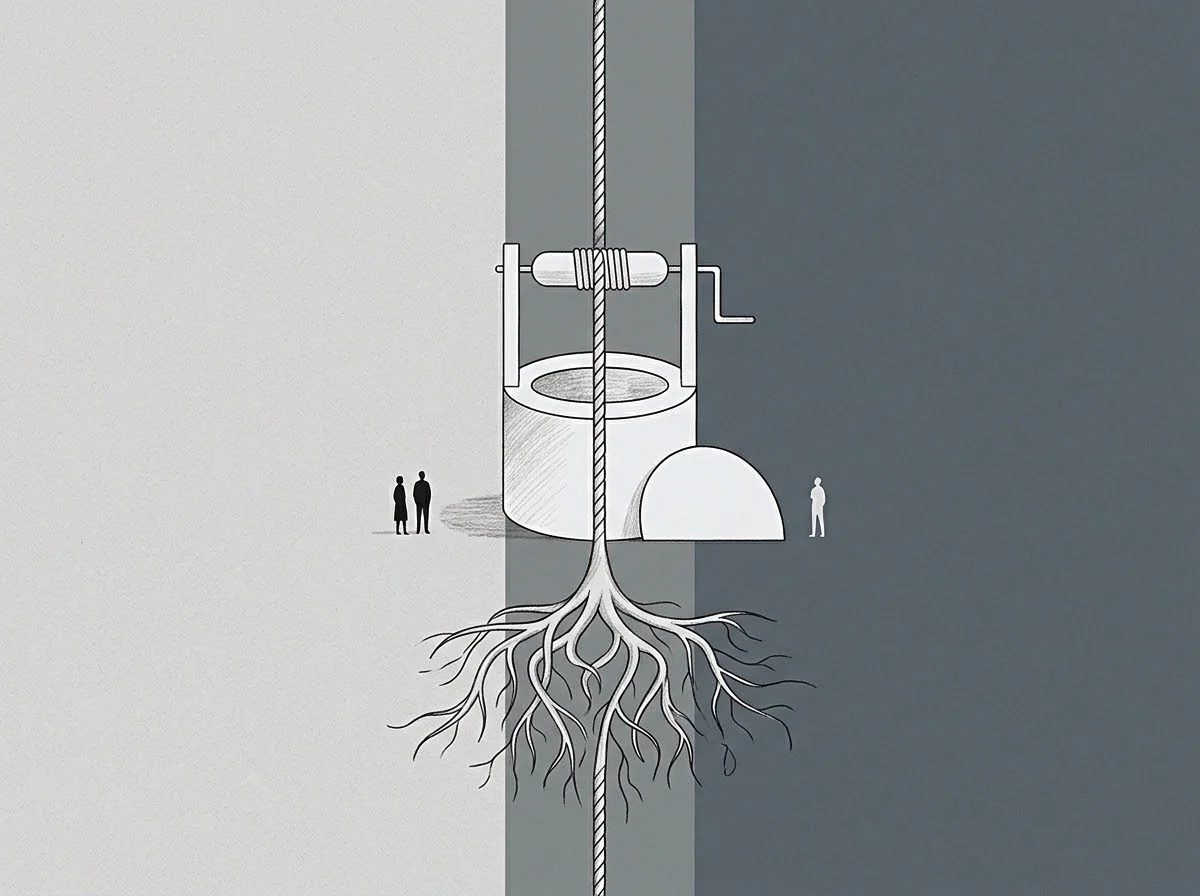
A method of organizational design divides a company into distinct, self-contained units that run without centralized dependence. Through operational partitioning, a business isolates individual departments to ensure that a failure in one area does not stop the entire workflow. This arrangement allows specialized teams to optimize their processes and make rapid decisions within their scope.
The approach reduces the need for constant cross-departmental alignment led by the founder. It creates a robust structure where each unit is responsible for its own metrics, making the entire organization more resilient to disruption.
Functional Separation
The segregation of activities creates distinct boundaries between departments like engineering and marketing. Implementing operational partitioning requires that each division maintains its own resources and leadership. This independence prevents inter-departmental confusion and ensures that every manager operates within a clear mandate.
Mental Recovery
The division of labor decreases the cognitive load carried by the founder. When a company does not execute operational partitioning, the founder is drawn into every minor cross-functional dispute. Allocating distinct roles and boundaries restores executive focus, allowing the founder to concentrate on strategic growth rather than administrative friction.
Structural Constraint
The separation of operational units can reduce collaboration and lead to isolated silos. In situations requiring rapid cross-disciplinary innovation, operational partitioning may prevent the necessary sharing of ideas. The founder must periodically bring teams together to ensure that long-term strategic alignment is maintained across the organization.