Meaning
Structural positions define the relationship between an individual and the equity, assets and long term liabilities of a business. Holding the owner seat involves the exercise of voting rights, the assumption of financial risk and the ultimate authority over the existence of the entity. This role persists even when the individual is not involved in the daily operations.
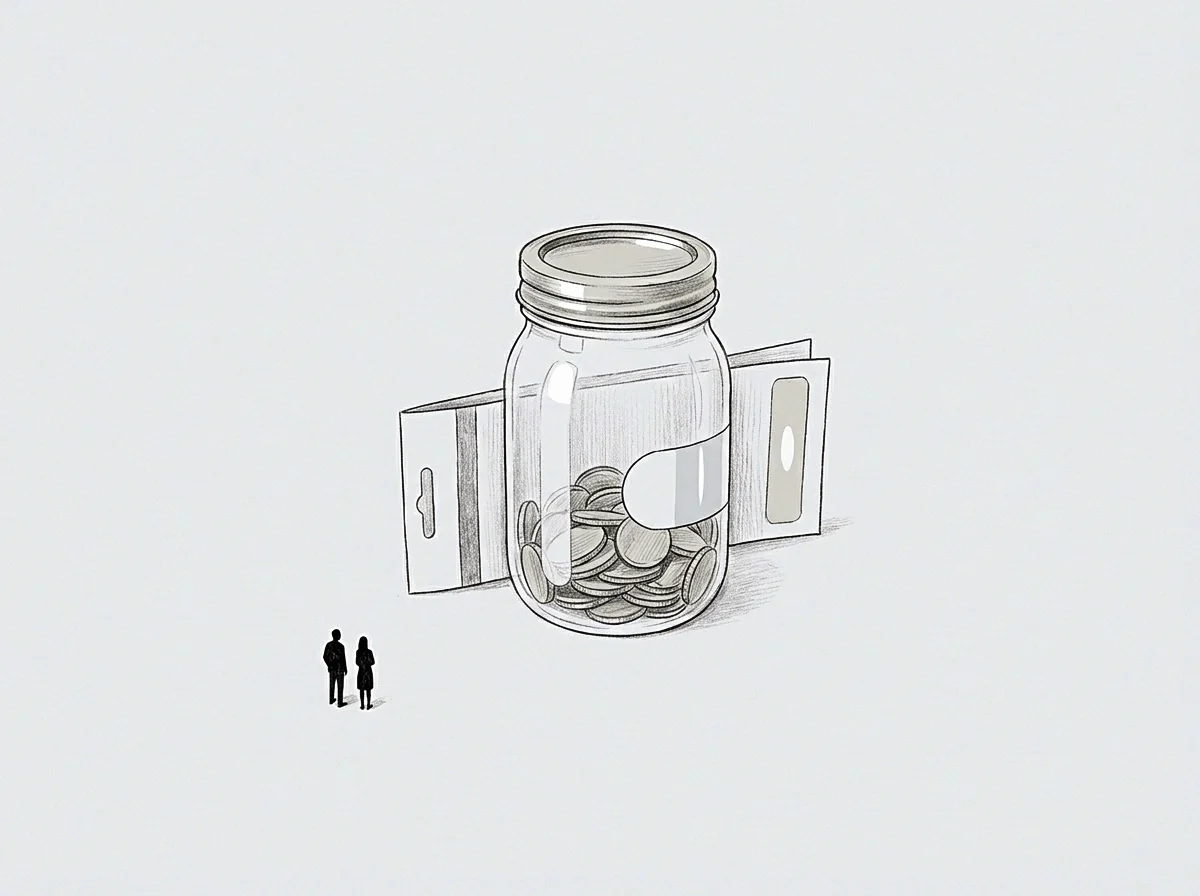
Asset Custody
Responsibility for the preservation and growth of the company value rests with the equity holder.
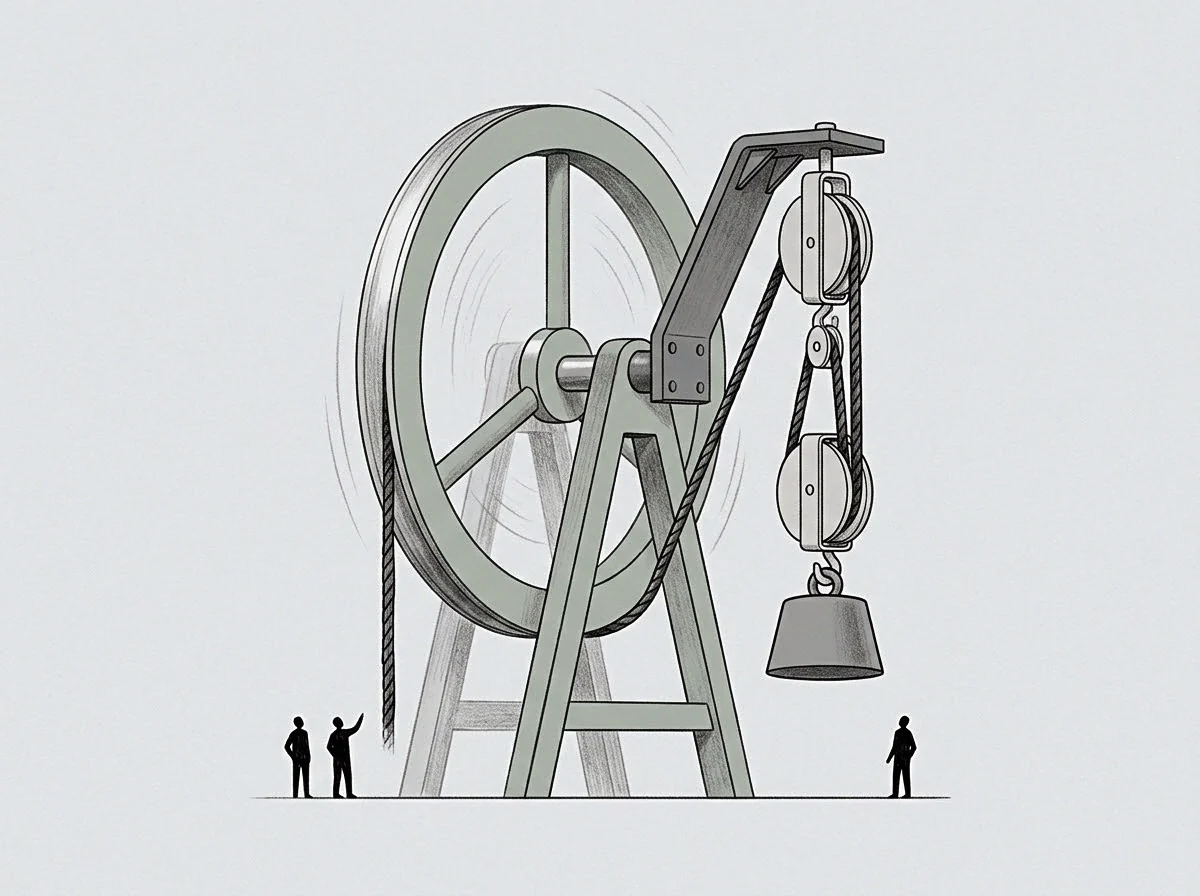
Capital Risk
Exposure to the financial outcomes of the venture is the primary cost of this position. If the company incurs debt or loses value, the owner is the one who suffers the loss of their investment and potential future gains. This burden remains a constant weight on the capacity of the founder regardless of their title in the organization.
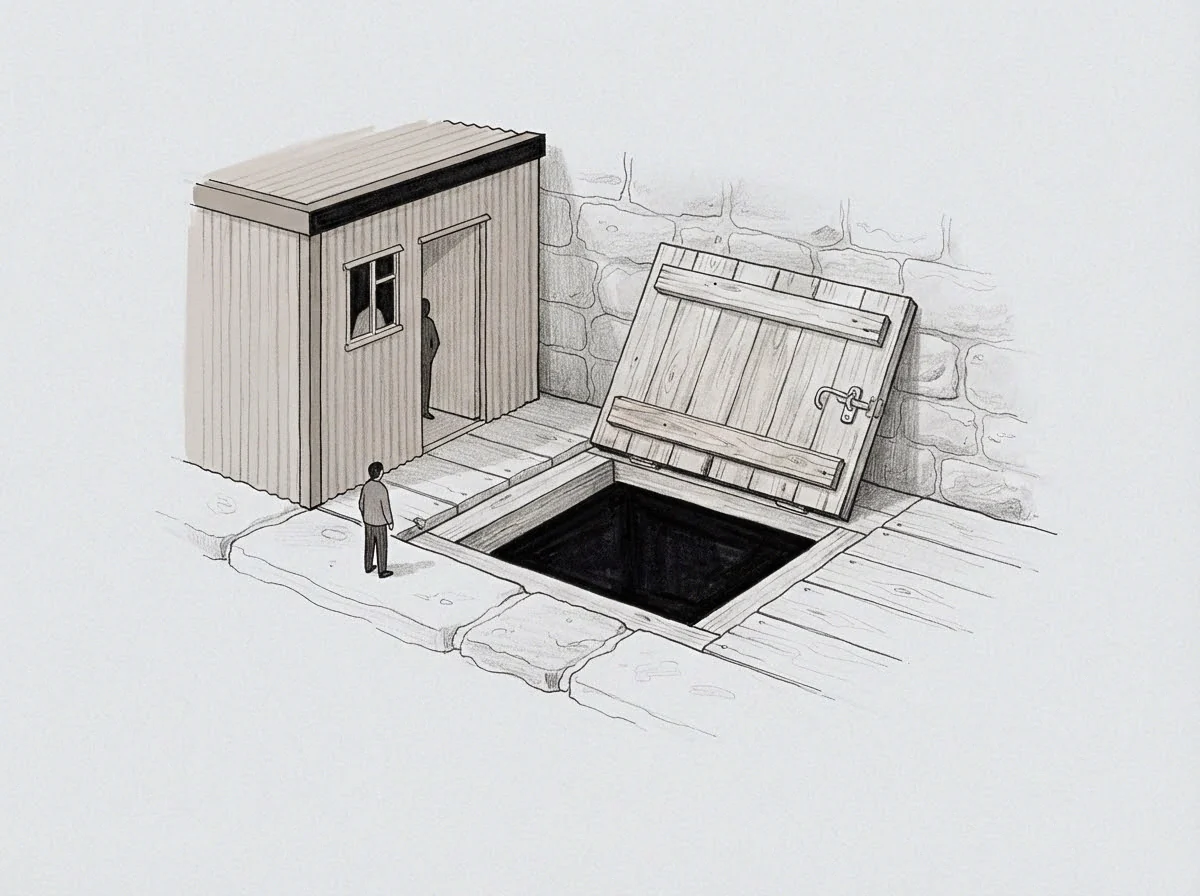
Structural Control
Power to hire or fire the management team and set the strategic direction is a core function of this seat. The owner oversees the governance of the company and ensures that the operators are acting in the best interest of the shareholders. Maintaining this control requires regular engagement with legal and financial advisors to protect the ownership stake.
This position carries the final responsibility for the success or failure of the enterprise.