
What Moves When A Seat Is Handed Over And What Stays
A seat handover transfers legal authority and explicit procedures, while diagnostic intuition, relational trust, and evaluative taste remain with the predecessor.

Paper
A successor opens the shared repository on a Monday morning to find forty spreadsheets, three recorded walkthroughs, and seven administrative accounts requiring two-factor confirmation sent to a telephone that left the building three days prior. Static operating materials move instantly through shared storage and login credentials. Procedural documentation sits intact, covering recurring billing cycles, client communication templates, server configurations, and vendor payment schedules.
Anything captured in text or diagrams crosses the corporate boundary without friction.
The gap between documented steps and running the business opens within seventy-two hours. An administrative runbook outlines the weekly reconciliation, but skips the manual fix needed whenever the clearing bank logs transactions under mismatched merchant codes. The predecessor made that correction by habit in the early morning, never writing it down.
The transition delivered codified knowledge: explicit routines, passwords, contract archives, and static checklists. It left behind the recognition of an anomaly, the diagnostic instinct built over three years of daily friction, and the personal credibility that convinced vendors to hold net-sixty settlement terms during slow collection cycles.
When operations are reduced to checklists for standard conditions, the unwritten corrections used during anomalies stay uncaptured.
Every administrative role splits into two operational layers. The visible layer holds explicit assets: legal contracts, recorded routines, customer history, financial registers, and internal tools. The invisible layer holds tacit diagnostic patterns, personal relationships, discretionary spending authority, and the judgment required to separate a real operational emergency from routine noise.
| Asset Category | Transferred Element | Retained Element | Operational Vulnerability |
|---|---|---|---|
| Administrative Systems | Software credentials and billing routines | Diagnostic triage during software downtime | Billing halts during unscheduled database synchronization drops |
| Client Relationships | Contact directories and contract terms | Informal trust and historical concessions | Client demands formal re-negotiation upon contract expiration |
| Vendor Operations | Purchase orders and active price sheets | Discretionary credit allowances and informal terms | Supplier revokes extended settlement terms without advance notice |
| Internal Delegation | Job descriptions and meeting schedules | Evaluative taste regarding work quality | Work products decline in consistency while meeting written criteria |
When a position transfers on paper while tacit routines remain unmapped, the organization spends the following quarter paying consultants and senior staff to rebuild workflows that existed three weeks earlier in one person’s head.

Desk
An operating position holds tools, signing limits, and institutional authority that belong to the role rather than the individual. A company builds a seat by defining boundaries: authority to sign expenditures up to fifty thousand dollars, power to set sprint priorities for seven software engineers, and responsibility for binding agreements. This perimeter forms positional authority, which shifts the moment a board resolution or contract is signed.
Relational authority works differently. An incoming director inherits the title, the direct reports, and approval thresholds on a set date. Direct reports rarely bring unvarnished concerns to the new manager during the first month.
Instead, they test the successor with low-stakes operational questions, watching the speed and effectiveness of each answer while comparing decisions against prior precedent. Authority inside a room is built through dozens of small interactions rather than granted by corporate minutes.
The workspace contains four structural boundaries that govern how authority redistributes across an operating unit:
- Statutory governance boundaries establish who can legally sign debt instruments, enter binding labor agreements, and submit corporate tax filings to state authorities.
- Discretionary financial thresholds set which purchases clear without executive review, shaping the day-to-day rhythm of purchasing departments and vendors.
- Relational trust reserves measure how willing colleagues are to execute difficult initiatives before seeing proof that they work.
- Domain evaluative taste dictates the approval or rejection of creative, technical, or structural work that strictly meets written criteria.
A stated signing limit of fifty thousand dollars provides formal authorization without conveying the standing required to resolve dissent on an operating committee.
Take an engineering director overseeing thirty technical staff across three time zones. The outgoing leader hands over administrative access to repositories, architecture diagrams, and quarterly capacity models. The successor takes the seat on the first business day of the month.
When an unmapped architectural bottleneck stalls product delivery two weeks later, the new director discovers that principal engineers bypass the formal Jira ticketing system entirely. They had an unwritten habit with the prior director: architectural disputes were resolved during Tuesday afternoon whiteboard sessions over coffee, with no written notes. The incoming director tries mandating written justifications through tickets.
The team slows down, debates specifications, and produces administrative friction. The seat transferred on paper, but the operational engine driving team output remained tied to the predecessor’s personal routine.
The transfer agreement explicitly defines statutory power while staying silent on relational influence, forcing the successor to spend institutional standing to gain compliance during operational disputes.
Grip
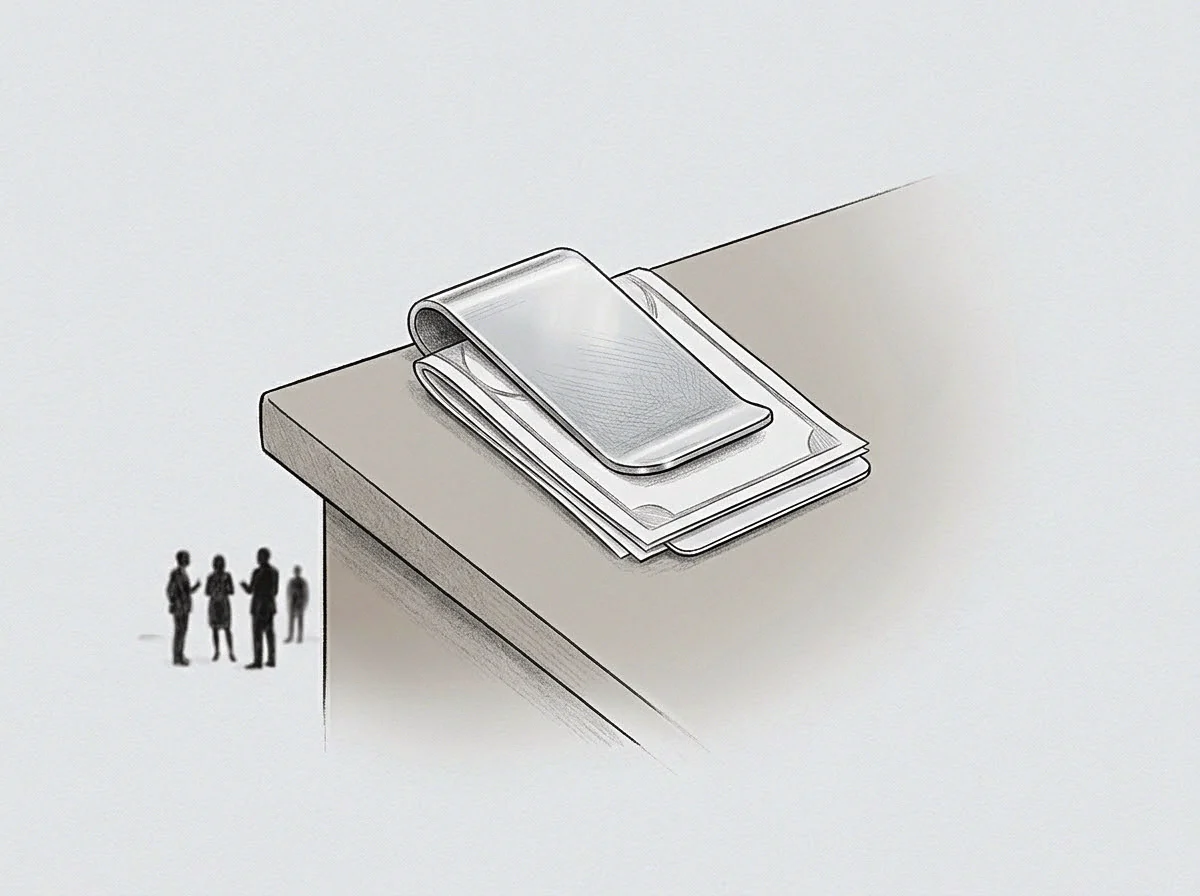
A handover starts with co-presence, where incumbent and successor occupy the same operating space at the same time. The incumbent keeps primary control while the successor shadows communications, joins strategic reviews, and studies how the organization actually talks to itself. This builds an instructional scaffold.
The incumbent buffers the successor from external noise, clarifies internal jargon, and explains why certain clients require custom handling.
The risk arrives when that support is pulled back. If the incumbent removes the scaffold too quickly, the successor takes on the full speed of operational demands before learning the diagnostic baseline, causing errors to stack up fast. If the incumbent hangs on indefinitely, the successor gets stuck acting as an assistant, unable to build authority with direct reports or external partners.

How Does Scaffolding Fail During Operational Handovers?
Transfer breakdowns follow predictable patterns across institutions. They rarely stem from bad intentions between operators, but from mismatched assumptions about when the scaffolding should come down.
- Observation without execution leaves the incoming operator passive for forty-five days, taking in background context without building hands-on familiarity with system failures.
- Abrupt scaffold abandonment happens when an outgoing founder exits three weeks early due to fatigue, dropping seventy unrouted administrative dependencies onto an unprepared successor.
- Parallel authority competition emerges when the predecessor stays on advisory calls, answering client questions over the successor’s head and undermining their authority on the spot.
- Administrative retreat occurs when the new occupant handles basic paperwork while forwarding strategic and personnel decisions to the former leader through private messaging.
The grip stage marks the gap where the successor holds the title without owning discretionary choices. They control the inbox and attend executive briefings, yet every significant decision triggers a look back to guess what the predecessor would have done. A real transfer happens only when the successor makes a structural choice that breaks with the predecessor’s precedent and defends the operational results before the board.
The handover followed the contract to the letter, yet daily operations stay tied to choices made eighteen months ago by someone no longer on the payroll.

Clock
Time is a major constraint in an operational exit. A thorough handover takes substantial effort from both sides. A founder or senior operator spending twenty hours a week documenting workflows, explaining old exceptions, and introducing a successor loses half their immediate capacity.
Output slows, client responses take longer, and the organization pays a temporary productivity tax to secure continuity.
Many organizations try to compress this transition into a two-week sprint. A two-week transition sprint is an administrative fiction. Cognitive research on workplace transitions shows that complex diagnostic habits require repeated exposure across operating cycles before becoming automatic.
When a handover is squeezed into ten business days, the outgoing operator records passwords, explains three main spreadsheets, and leaves. The organization saves eighty hours of transition time upfront, then spends four hundred hours over the next half-year deciphering undocumented code repositories and repairing damaged supplier relationships.
Every hour cut from a structured transition protocol is billed back to the operating budget at five times the cost during the following quarter.
The time arithmetic of a transition is direct. A thorough handover takes roughly one hundred and twenty hours of direct, paired work across ninety calendar days. That ninety-day window lets the incoming operator go through a monthly close, a quarterly planning cycle, and at least one serious operational emergency.
An emergency cannot be scheduled, yet resolving one demonstrates tacit patterns that never appear in standard reviews. Watching an experienced operator handle an outage teaches more about practical triage in three hours than six hundred pages of flowcharts.
Handover documentation expands as the remaining transition timeline shrinks, until the successor receives a three-hundred-page manual that neither person has time left to read.
Residue
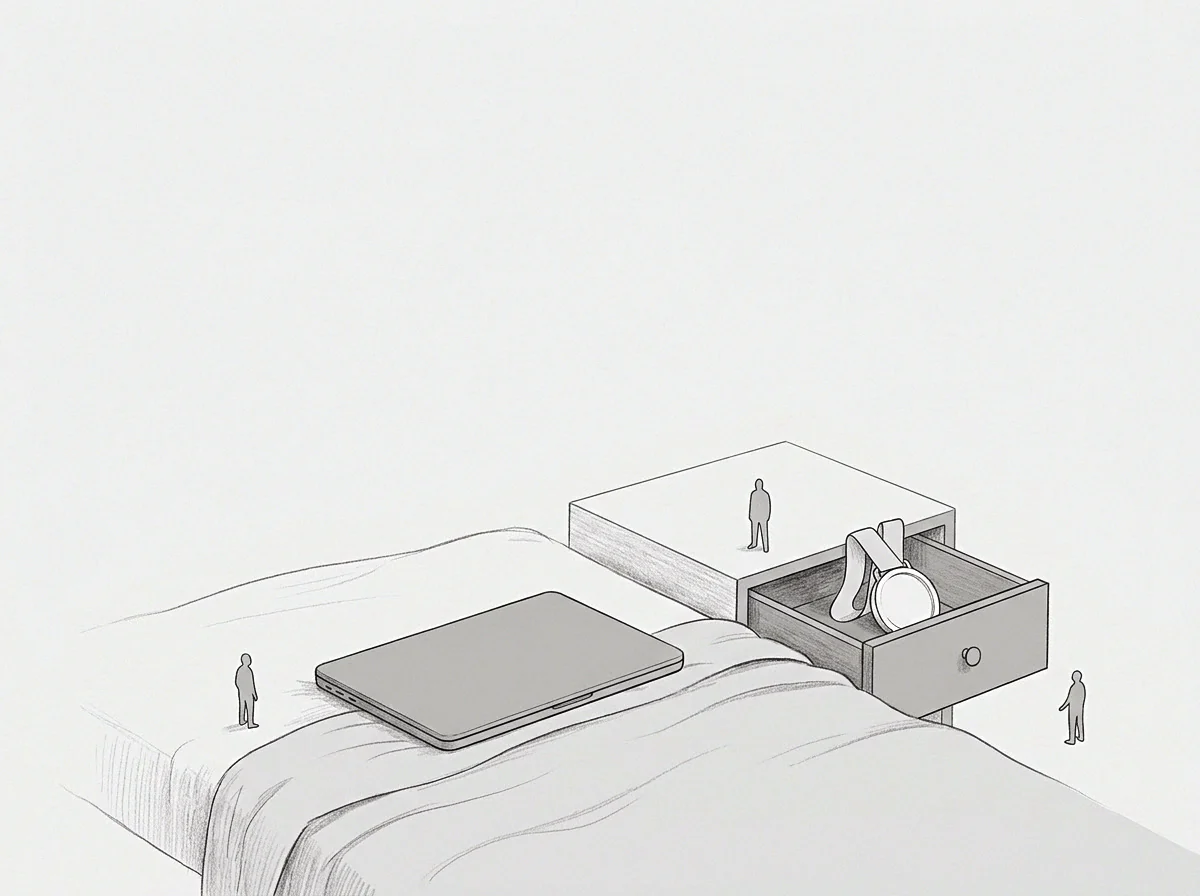
When the final credentials transfer, the access card is turned off, and the desk is cleared, something substantial stays with the departing individual. That element is the engine. The engine consists of the specific taste, pattern recognition, and judgment that built the operational routines in the first place.
A system can be documented, a spreadsheet formula copied, and an organizational chart filled with new names. The thinking that built those systems does not transfer with corporate assets.
In technical architecture, specialized production, and founder-led companies, the engine stays bound to the individual. The predecessor built the enterprise by turning down hundreds of minor deviations that missed an unwritten standard of quality. When they leave, the successor runs the machinery according to written instructions, but the product gradually shifts.
Edge cases soften, marketing turns from sharp conviction to committee consensus, and the engineering team accepts trade-offs that the former occupant would have rejected in thirty seconds.
The departing operator also holds the network built over decades. An introduction can be made over email, and the incoming leader can sit across from a key supplier at dinner. The supplier will nod, exchange pleasantries, and offer standard promises.
But twenty years of mutual favors, shared industry crises, and informal agreements stay tied to the person walking out the door. The successor inherits the contact information, not the relationship leverage.
This reality forces an unsparing evaluation of what a handover accomplishes. A succession moves routines, compliance mandates, physical assets, and positional authority across a business boundary, establishing a caretaker for existing operations. What remains unresolved across management research is whether an operating role can retain the creative engine of its architect, or whether succession is usually an act of managed operation until a new engine emerges.