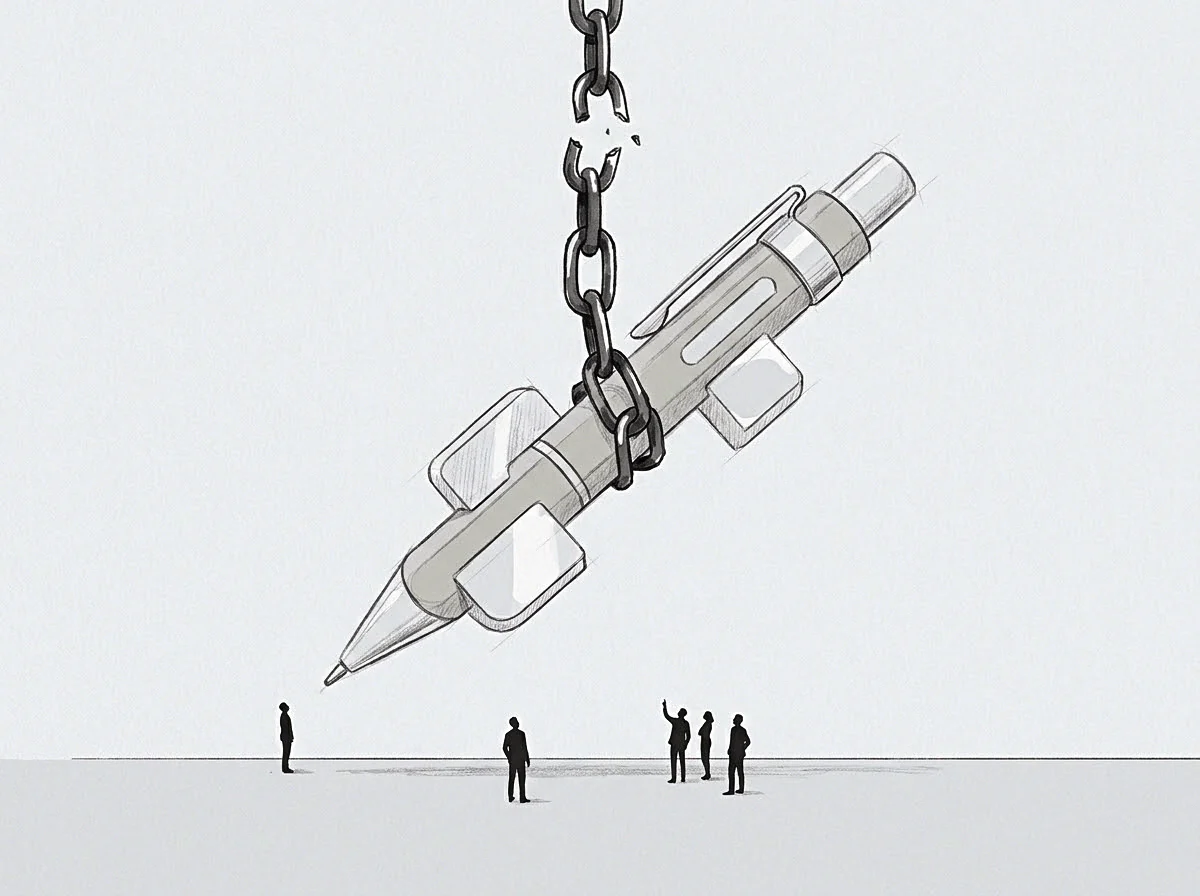
Meaning
Factual direction and operational dominion exerted over a corporate entity by an unappointed individual or outside entity without formal title, board seat or legal agency constitutes shadow control. This covert dynamic measures the disparity between nominal, legal governance and real managerial dominance inside the business. It governs the subtle exercise of executive power, financial pressure and strategic coercion that steers corporate decisions away from formally appointed managers.
The classification ceases to apply when operational influence is exercised through lawful, transparent board seats, formal voting compacts, legitimate advisory engagements, or standard creditor actions explicitly authorized under debt agreements.
Operational Distortions
Operating under shadow control destabilizes corporate management and degrades executive accountability across the business. When an unappointed individual dictates procurement choices, personnel actions, capital allocation or commercial strategies, appointed executives are relegated to administrative figureheads. Formal management spends substantial time managing the demands of the unofficial leader while remaining legally responsible for the enterprise’s operational results.
This dynamic creates confusion among operational staff, confuses reporting relationships and paralyses strategic execution. Key talent often exits the business rather than navigate conflicting demands from formal managers and the de facto leader, leaving the corporate entity vulnerable to operational stagnation.
Founder Seat
Exiting founders who vacate chief executive or board seats often drift into shadow control by managing operations informally from behind the scenes. Unable to release operational control, the founder contacts direct reports, gives instructions on key initiatives, or pressures the new executive team into adopting preferred strategies. This informal interference exposes the founder to de facto director liabilities, including statutory duties and personal exposure to corporate creditors during insolvency.
The founder expends personal energy, attention and mental bandwidth without any legal protections or formal governance rights. Stepping out of a shadow role requires the discipline to accept differing management approaches, respect formal lines of authority, and channel strategic advice exclusively through official board or shareholder meetings.
Legal Liability
Jurisprudences across major commercial markets impose director-level fiduciary duties and statutory liabilities upon shadow directors who influence formal boards. Bankruptcy examiners and creditors routinely scrutinize communications, payment logs and internal directives to uncover shadow control when an insolvent enterprise experiences failure. If shadow leadership is established, courts can invalidate preferential transactions, set aside unapproved asset sales, and hold the shadow director personally liable for unpaid payroll taxes, environmental damage and enterprise debts.
Corporate boards preserve their integrity by documenting the autonomy of their decisions, rejecting improper informal instructions, and asserting their statutory independence. True governance demands that operational power align with public legal titles and clear accountability.