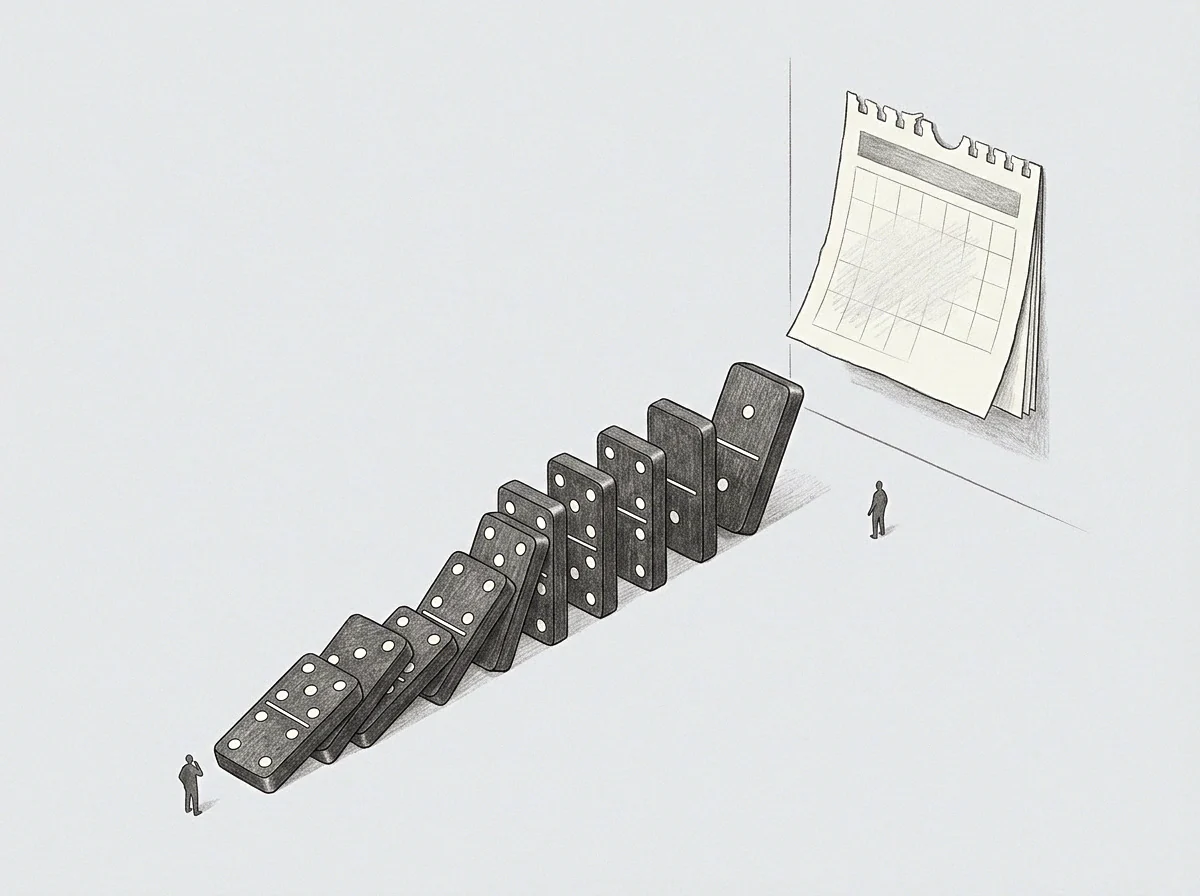
Meaning
Unofficial network of communication and action that operates parallel to the formal organizational structure. A shadow operational loop often persists after a founder moves to a non-executive seat, allowing them to influence decisions without board approval. This mechanism relies on the loyalty of long-term employees who continue to report to their former boss.
It remains active until the formal management system demonstrates enough competence to render the informal loop unnecessary.
Hidden Cost
Maintaining these unofficial channels requires a constant expenditure of social capital and attention. Because a shadow operational loop creates a secondary path for information, the official managers often find themselves blindsided by decisions they did not authorize. This leads to a breakdown in trust between the founder and the new leadership team.
Efficiency Illusion
Informal workarounds may appear faster in the short term but create long-term structural weakness. The existence of a shadow operational loop masks the failures of the formal process. When the founder finally stops participating, the official system often collapses because it never had to function on its own.
This forces a costly and late-stage rebuild of corporate protocols.
Role Conflict
Founders in this position often struggle with their dual identity as owners and observers.